
 17 October 2025 – 18 January 2025
Galleria de’ Foscherari
Via Castiglione 2/b, Bologna
www.defoscherari.com
“Pushing the Limits” sees itself as a non-exhibition, nor is it an installation. The event could be described more as an amicable, temporary occupation of the Galleria de’ Foscherari by the DebatikCentre of Contemporary Art (D.C.C.A.). Founded in 2003 in Bologna, it is today a contemporary art and independent film production centre based in Tirana, Albania. The aim of the founders (Armando Lulaj, Salvator Qitaj, Ergin Zaloshnja) was to create an independent platform of cultural and political resistance against dominant narratives and models imposed by global neoliberalism.
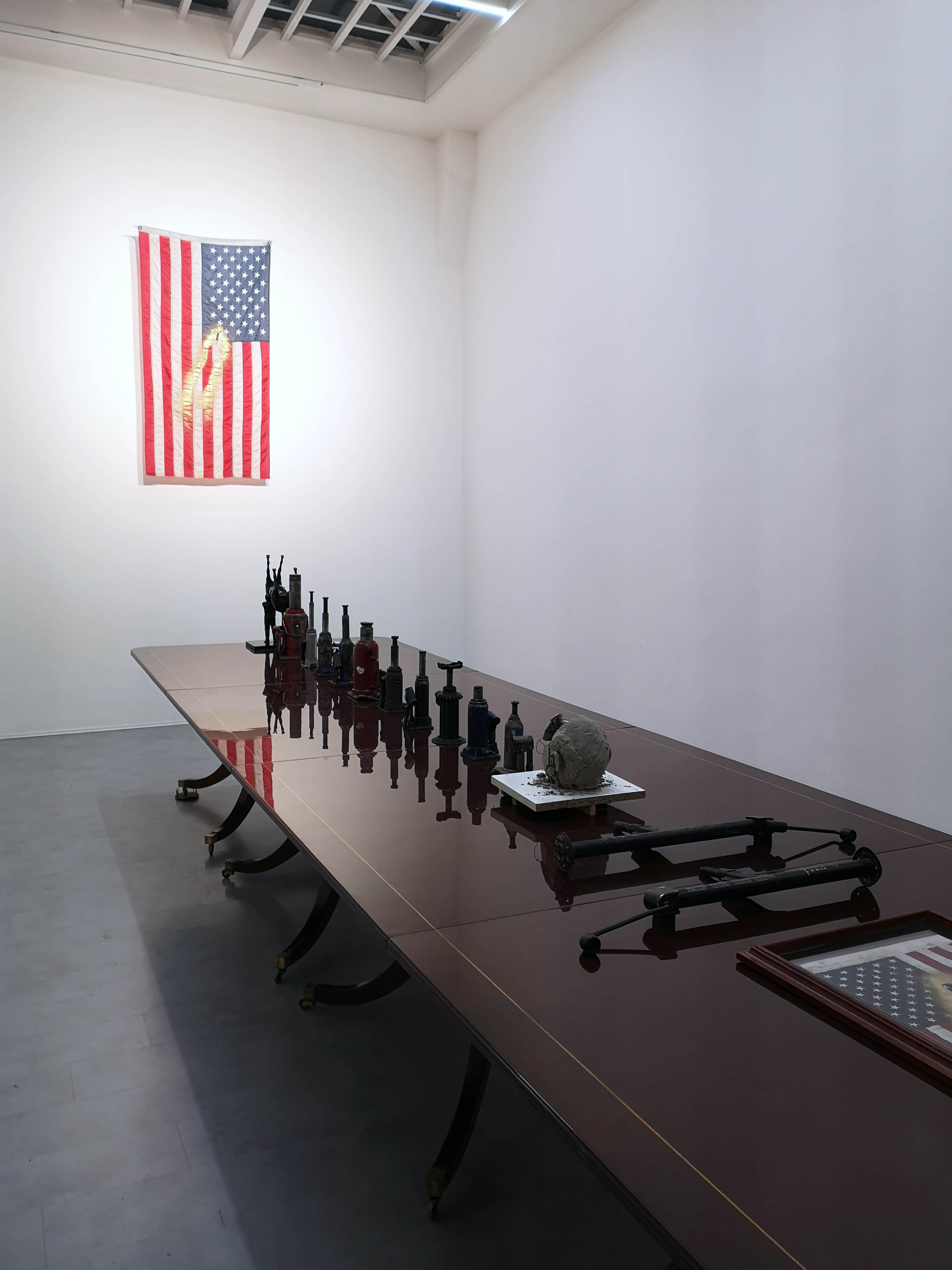
 Presented are works, illustrating the activities of the D.C.C.A. from the last 22 years, by Armando Lulaj, Pleurad Xhafa and the collectives Underground Movement, La Société Spectrale, and Manifesto Collective, who are closely connected to the centre. A main issue is colonisation and the creative resistance against it. Exemplary, the focus is on Italy, the United States and the Middle East in relation to Albania. The single works are very complex in themselves, so that the entire presentation becomes very dense.
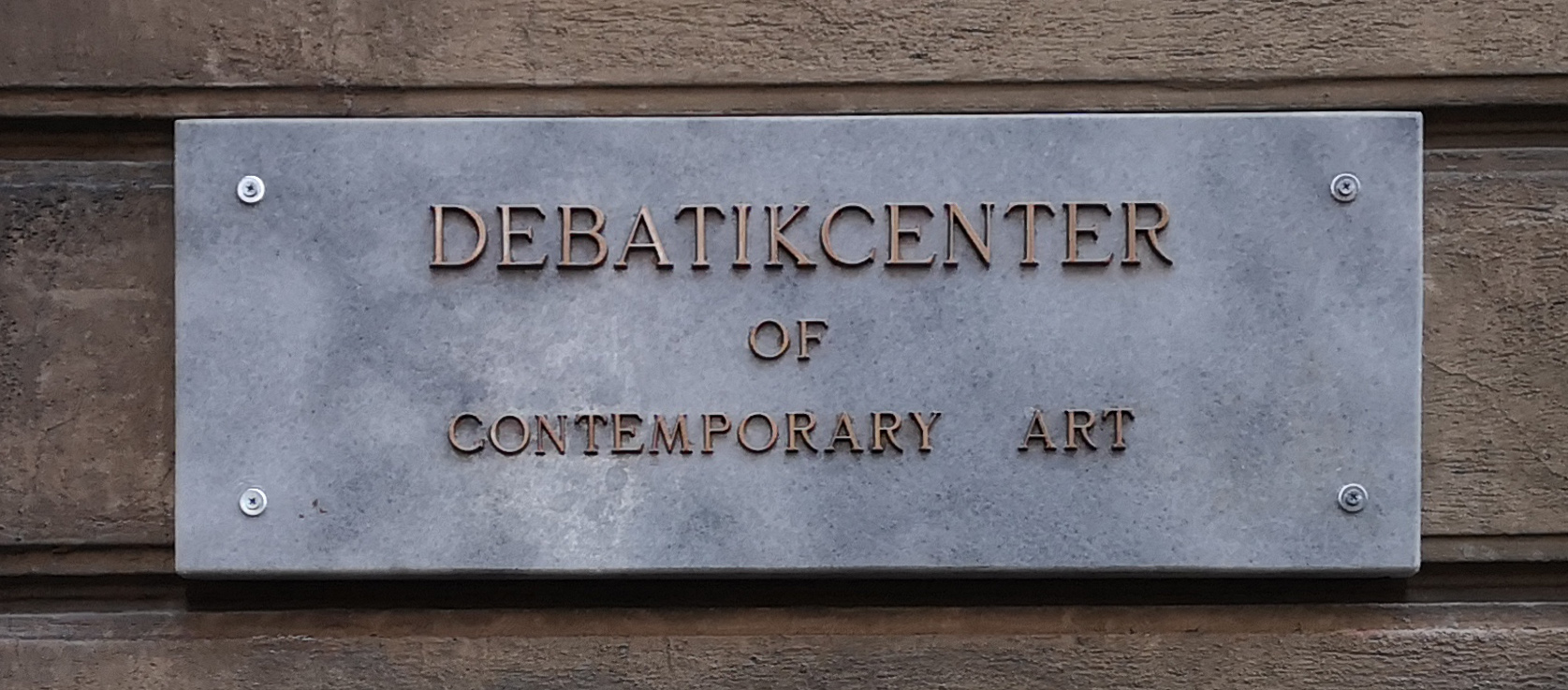
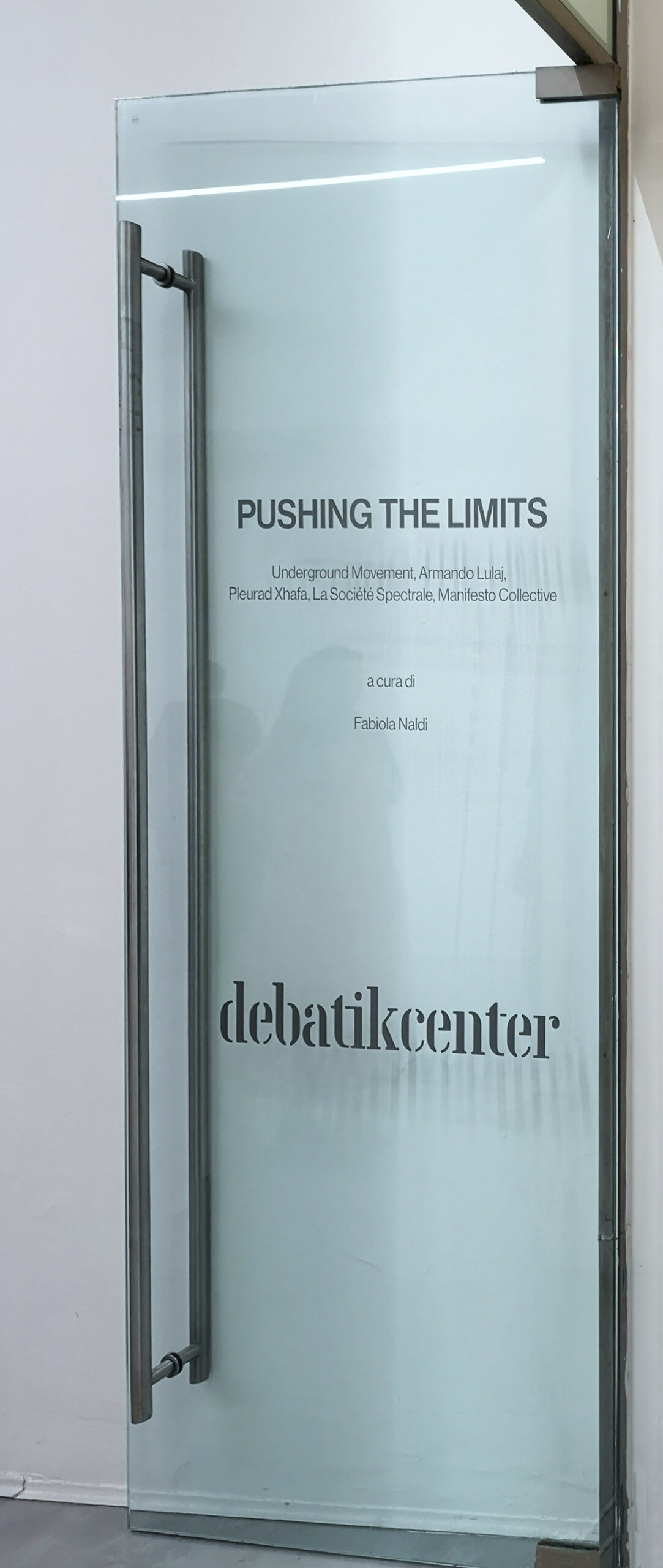 Starting already outside the “occupied” gallery, the visitor has to pay attention not to miss details: “Milestone” by Underground Movement, is the historic marble sign of the D.C.C.A. from 2003; “Radio Desertion” is a sound-installation by the Manifesto Collective, where thinkers, artists and activists replying to two questions around desertion and “Replacement” by La Société Spectrale captured the galleries historic inscription at the glass door.
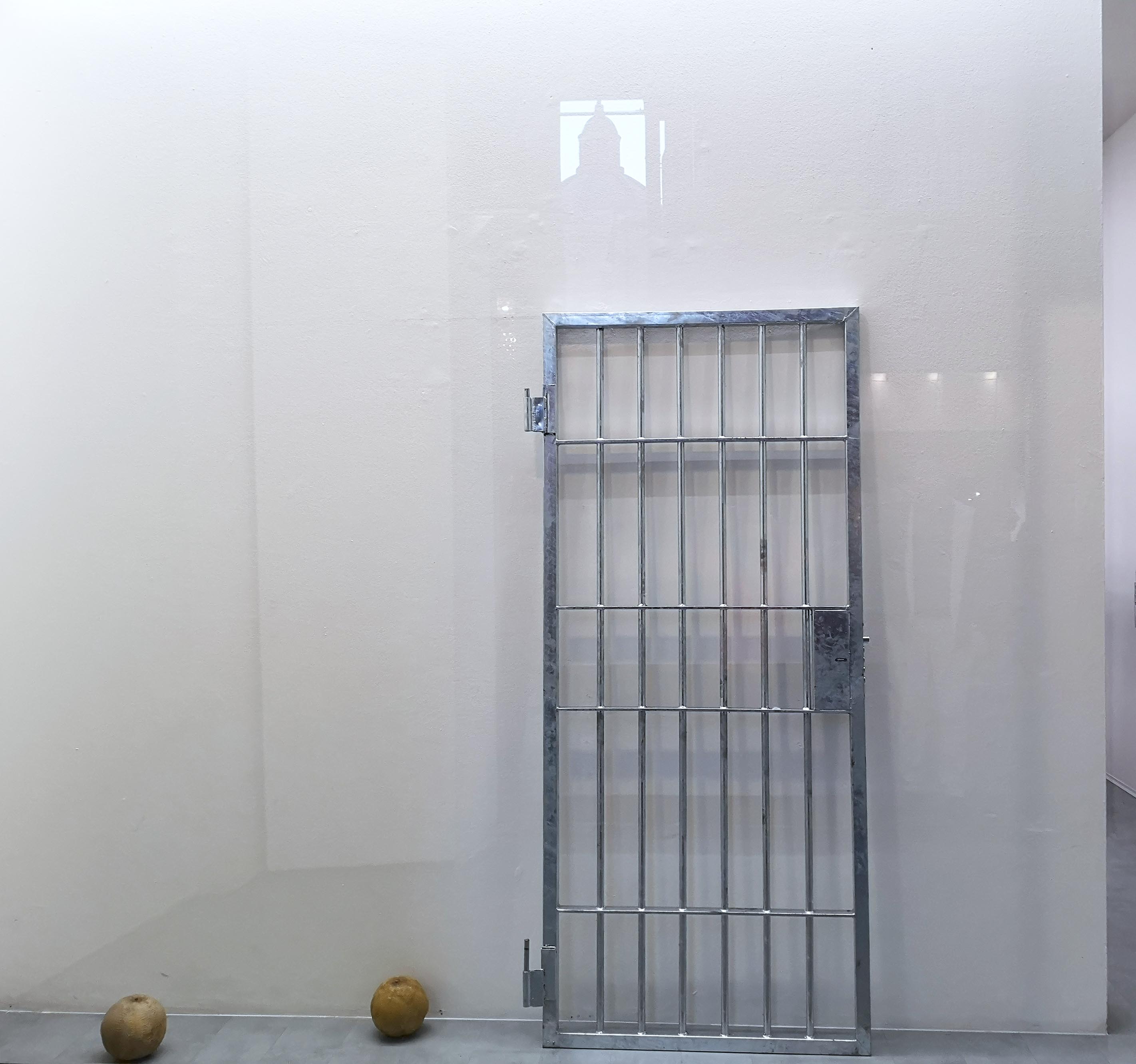
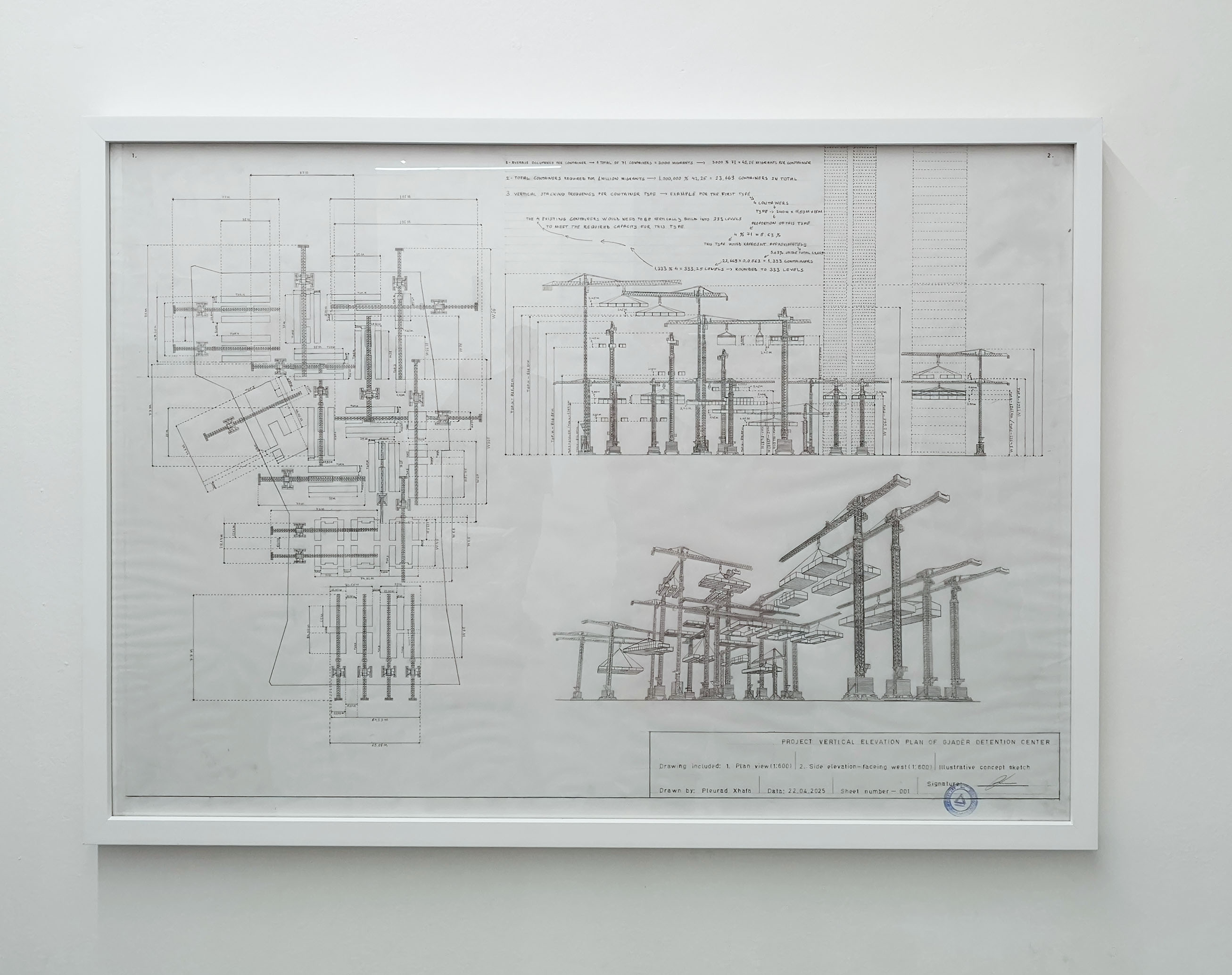
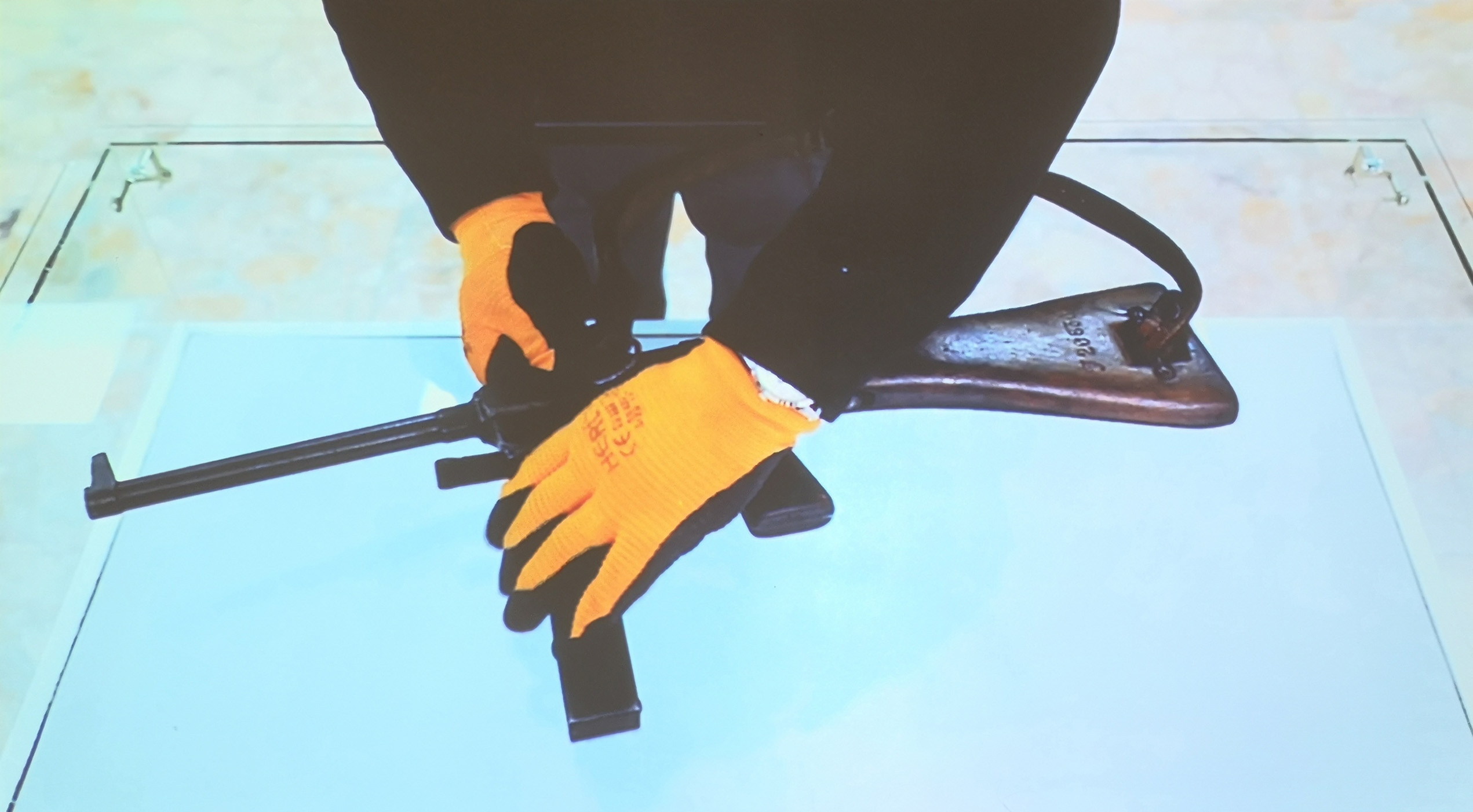
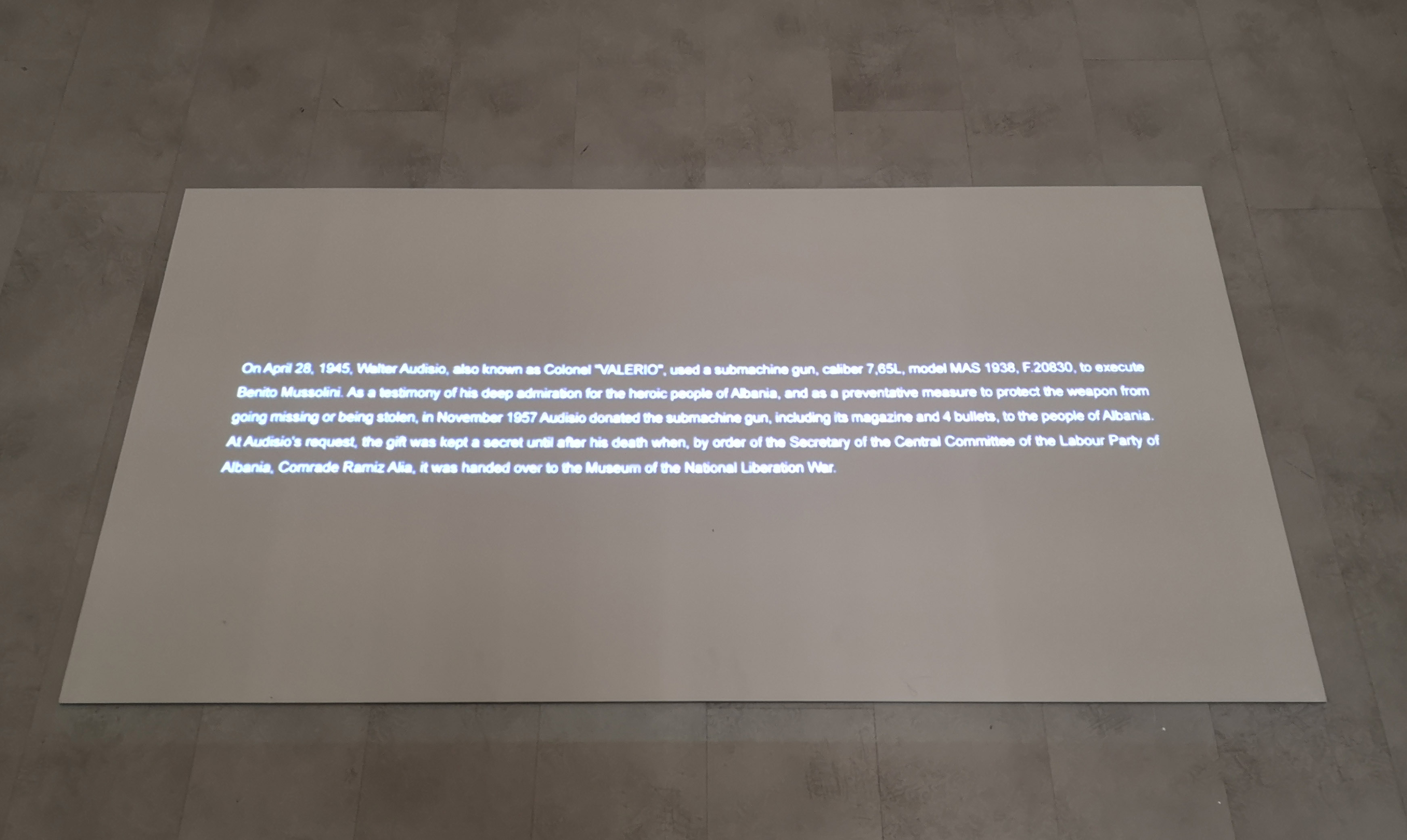
The installation in the gallery’s display window “Untitled (campo di meloni) by Underground Movement, features a prison door and two concrete melons, referring to the current Italian Prime Minister – Giorgia Meloni – and her plan to establish a reception centre for migrants in Albania. In line with this, inside the gallery Pleurad Xhafa reveals a vertical elevation plan of the centre. From the same author is the video “Reassemble” about Walter Audisio’s weapon, with which he killed Benito Mussolini. In a showcase, the missing magazine with four bullets is exhibited. Today, the submachine gun belongs to the Museum of the National Liberation War in Tirana, where it is presented almost like a relic.

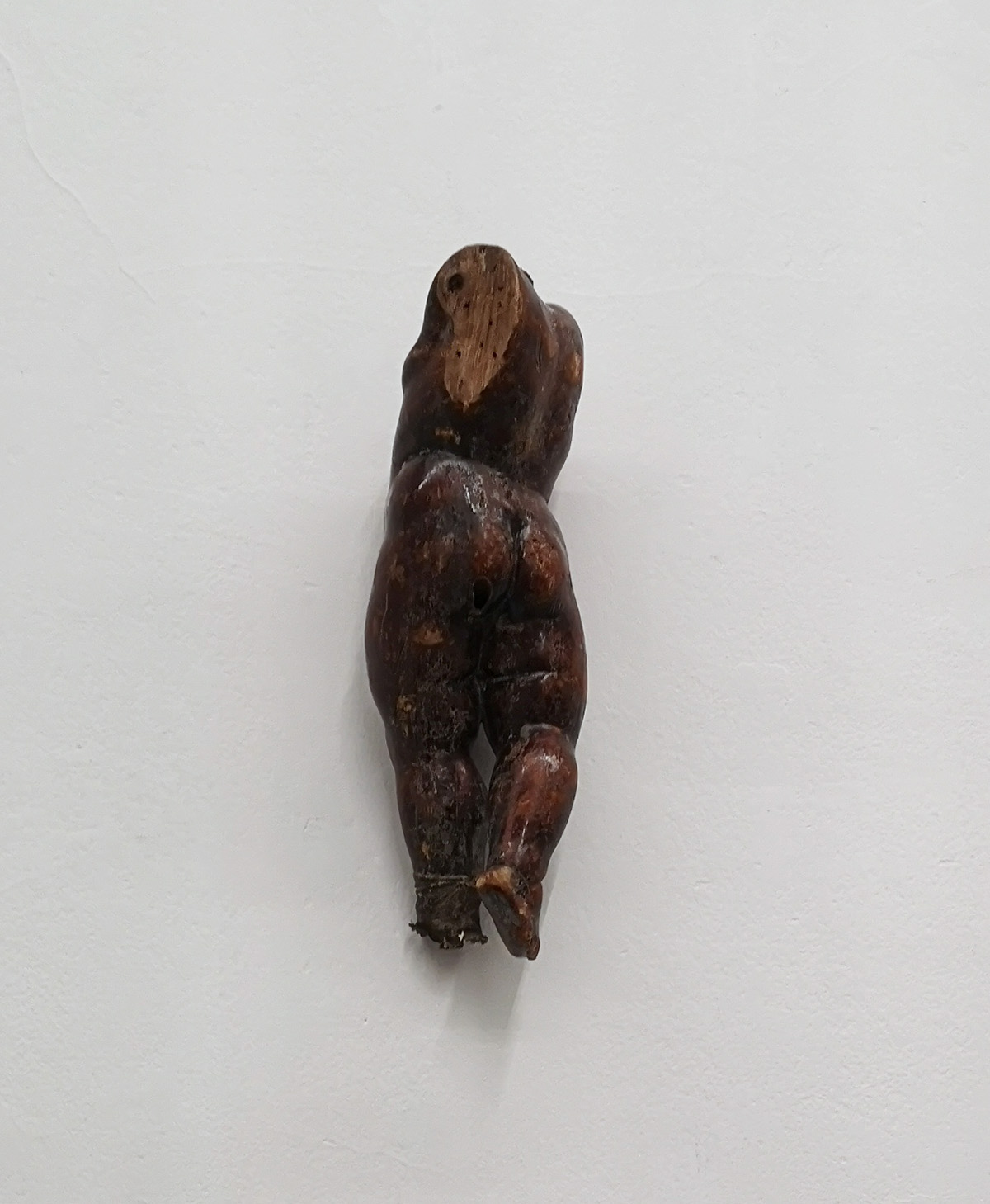 Also “Beheaded Boy (a Palestinian probably)” again by La Société Spectrale origins from a destroyed building, but a much more recent one. The small sculpture was a prop as part of the stage design of the National Theatre of Albania. It was demolished in 2020 by the Albanian government, to be replaced by a contemporary architecture. Before, there were strong protests of the population, which denounced real estate speculation and institutional violence against the cultural community. In addition, the work refers to the repression of Palestine people by the state of Israel, as the title suggests.
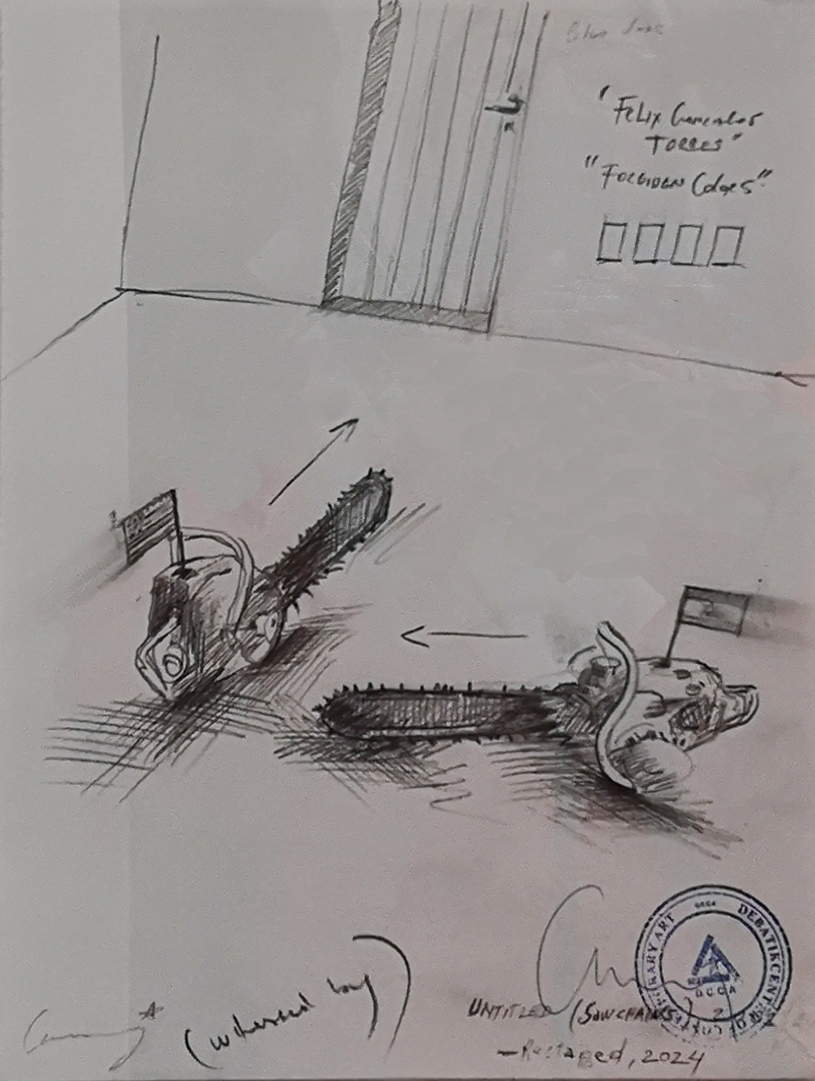 The inconspicuous pencil drawing “(sawchains) witnessed by” by Underground Movement focusses as well on the conflict between Israel and the Palestine people but includes the United States. It is a sketch for a never realised performative installation. The project was planned for a museum space between Florence and Bologna: activated chainsaws with flags of imperial countries, as the United States and Israel are for the artists, should move in front of Félix González-Torres’ colour panels “Forbidden Colors” from 1988. With this artwork, the deceased artist wanted to draw attention to the ban on any arrangement of the colours green, red, black and white in any form in the territories occupied by Israel.
The political statements can certainly be discussed controversially. However, the D.C.C.A. shows art beyond the usual art market.