
 Inside and outside the traditional Biennale venues, there are exhibitions which deal with the way we treat nature. Fiona Pardington shows in the Pavilion of Aotearoa New Zealand photographs of native birds that are threatened with disappearance or are already extinct. Ten international artists reflect in the Nauru-Pavilion on the endangered island in Oceania and in the Indian Pavilion five artists examine the changes taking place in a rapidly changing country.
The Pavilion of Aotearoa New Zealand – Spiritual Messengers
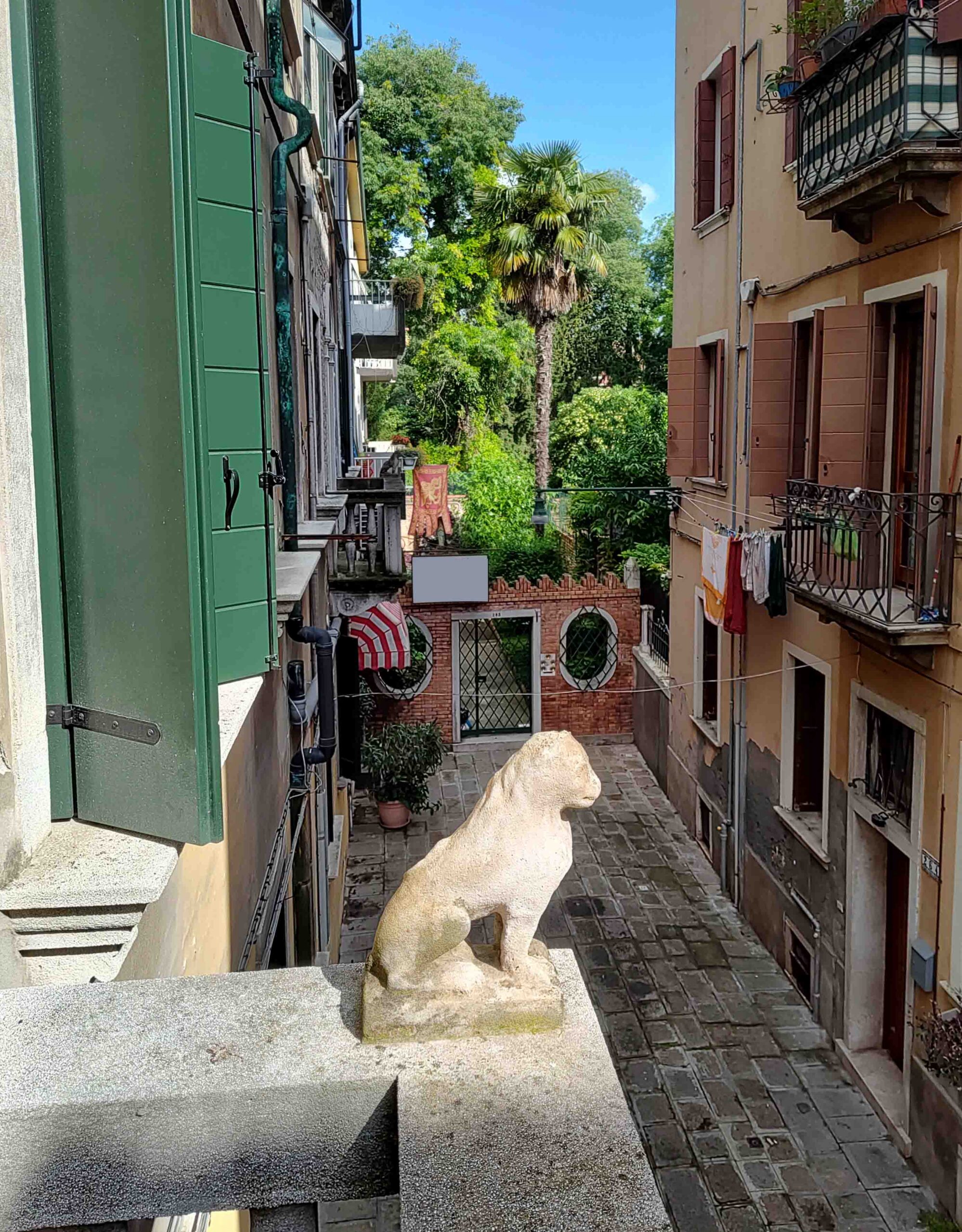
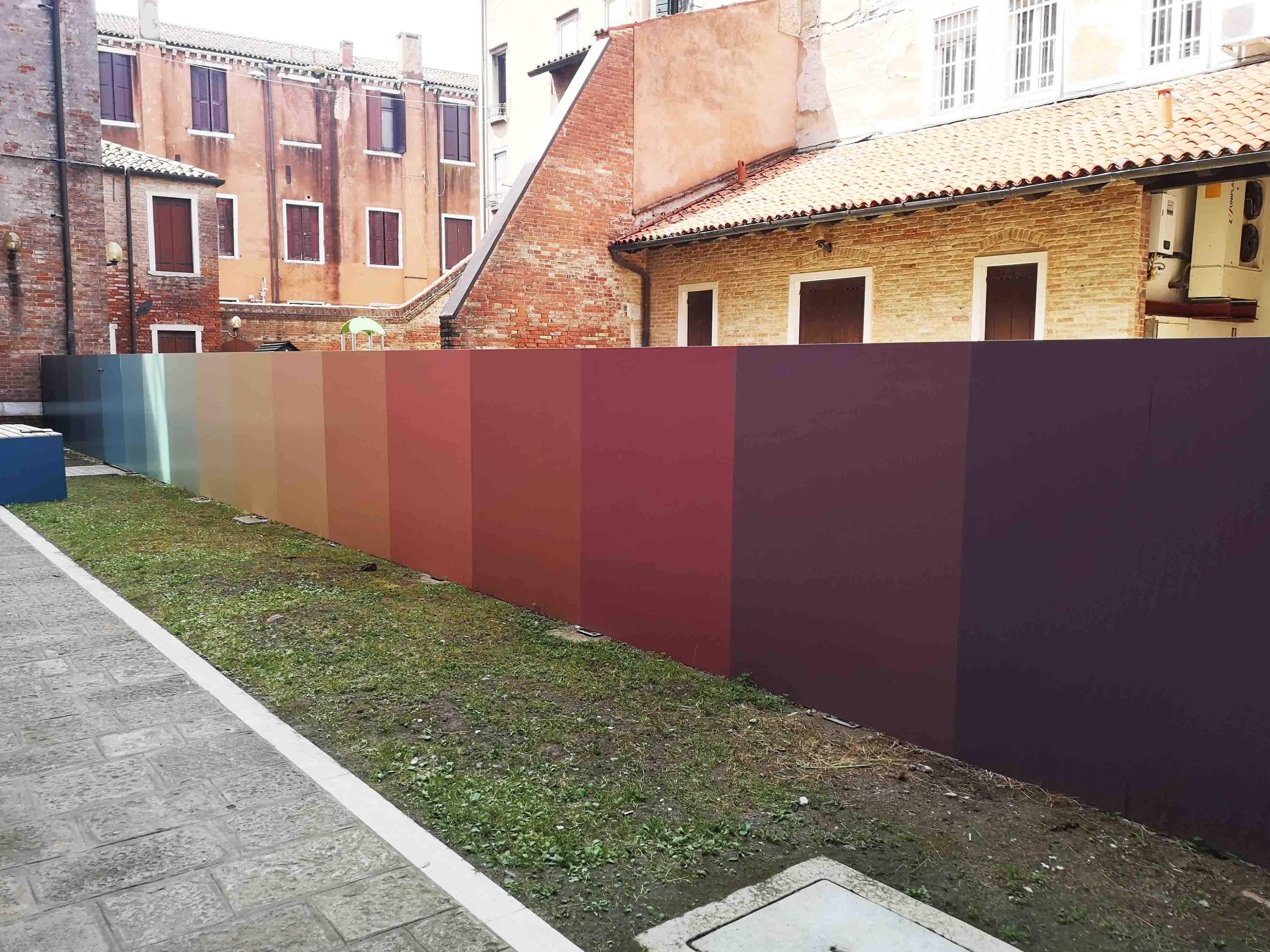
The location of the Pavilion of Aotearoa New Zealand is in a small side street, not far from the Riva degli Schiavoni. A little bit hidden, the island country presents “Taharaki Skyside” by Fiona Pardington. Passing through an archway, one enters a courtyard with a playground. It belongs to the Istituto Provinciale per l’Infanzia Santa Maria della Pietà in Venice, a historic charitable organization, which provides care for children and mothers in need. The playground fence is clad with coloured panels that form a colour gradient ranging from dark brown through reddish tones to dark blue. There is also a colour gradient on the head wall, though here it extends from purple to yellow. These colours can also be found on the entrance sign and behind the reception desk. Moreover, they are present in the exhibition itself.
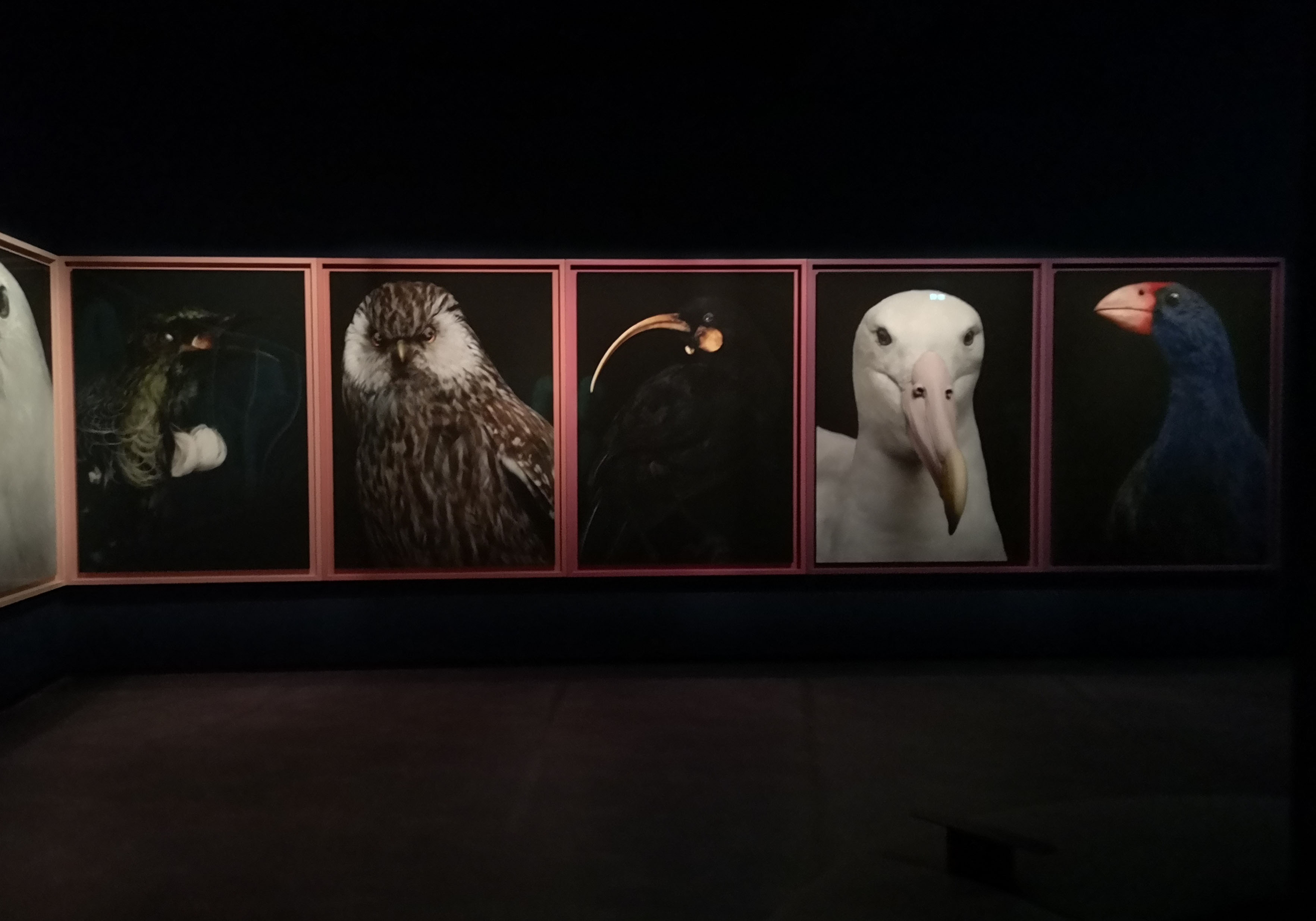
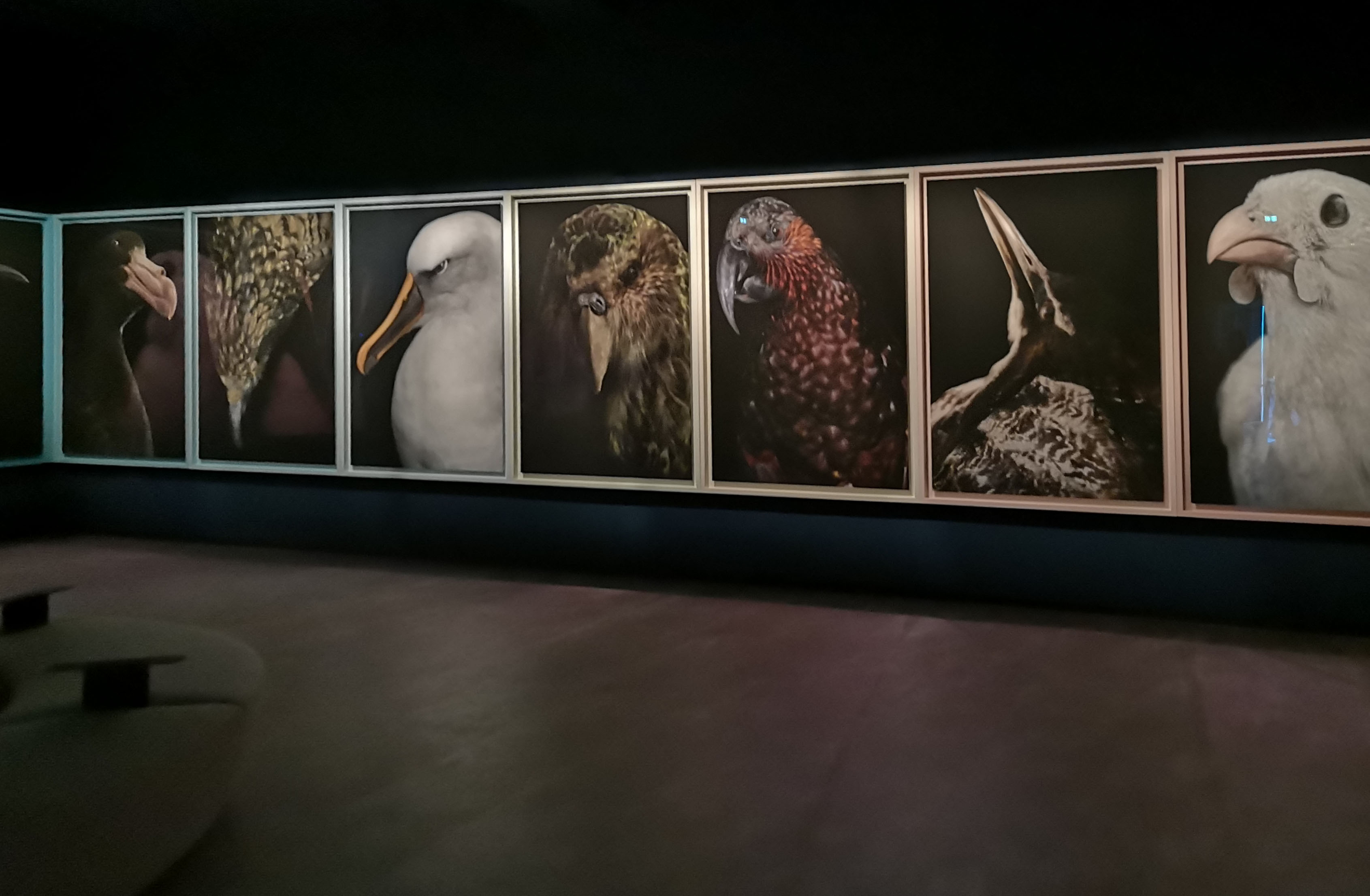
Following this colourful entrance, the actual exhibition space is rather dim. On view are 17 large-format portraits of birds. It seems as if they are posing for the photographer. This in combination with the size, creates a strong sense of the animals’ presence. Nevertheless, they deceased long ago. Fiona Pardington photographed taxidermied birds. Native to Aotearoa New Zealand, these preserved animals, are now part of museum collections of the island nation and in Australia. Several species have already become extinct; others are at risk of vanishing forever.
Influenced by her Māori whakapapa (genealogy), the artist regards birds as messengers from the spiritual world, operating between the worlds of the living and the dead. As already described, this is evident when looking at the pictures. Additionally, the animals’ eyes reflect impressions of their original habitat, taken from 19th century photographs. So, the birds build a bridge between the past, present and the future: Pointing to a bygone time, they recall what has been lost. Still present, they symbolize continuity. At the same time, they refer to our responsibility for the natural world, because the extinction of species is often due to human interference with nature.
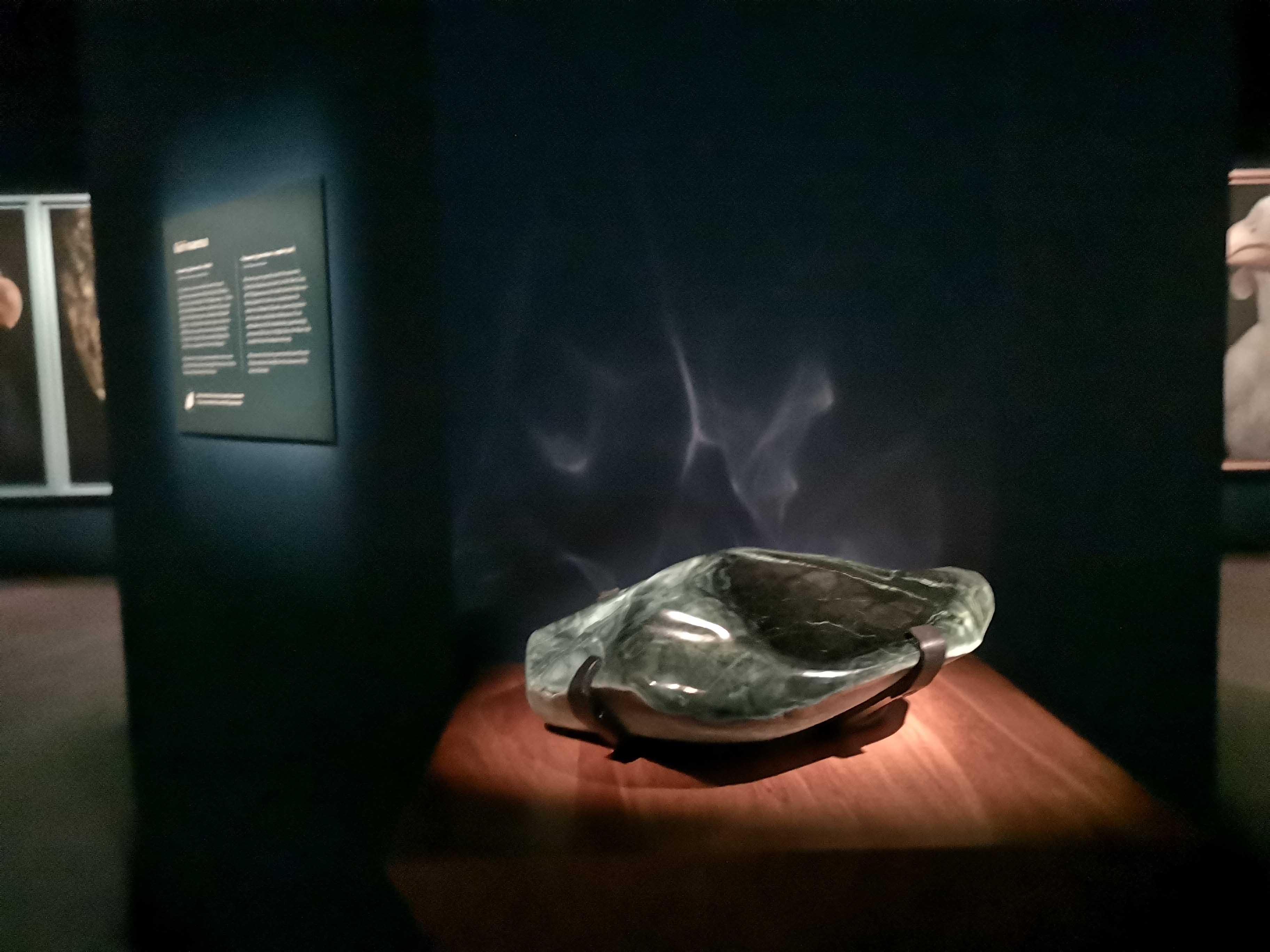
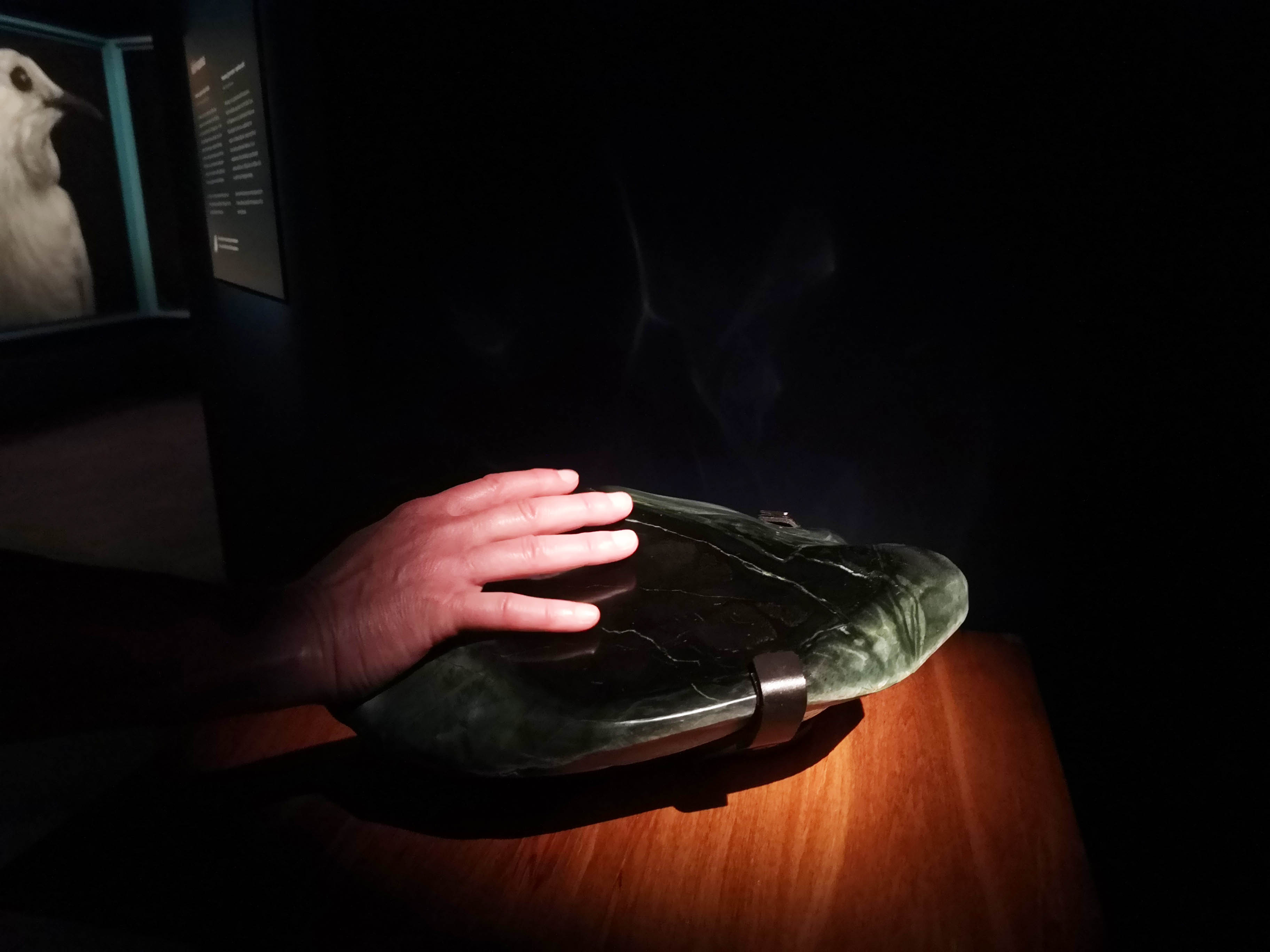
Moreover, the colours outside and the colours of the frames reflect the shades of sunrise and sunset at Fiona Pardington’s home in the Hunter Hills near Waimate in Te Waipounamu and in Venice. To connect these distant locations, they were chosen in cooperation with her brother Neil Pardington, the creative director of the exhibition. Another connection is made by a jade stone. This pounamu comes from the river Arahura in New Zealand. Visitors are invited to touch it to establish a further link between Venice and the waters and lands of Aotearoa.
Geographically closer than Venice and New Zealand is the small island state of Nauru. Also, in Venice the participations of these Oceanian countries are just a few steps away.
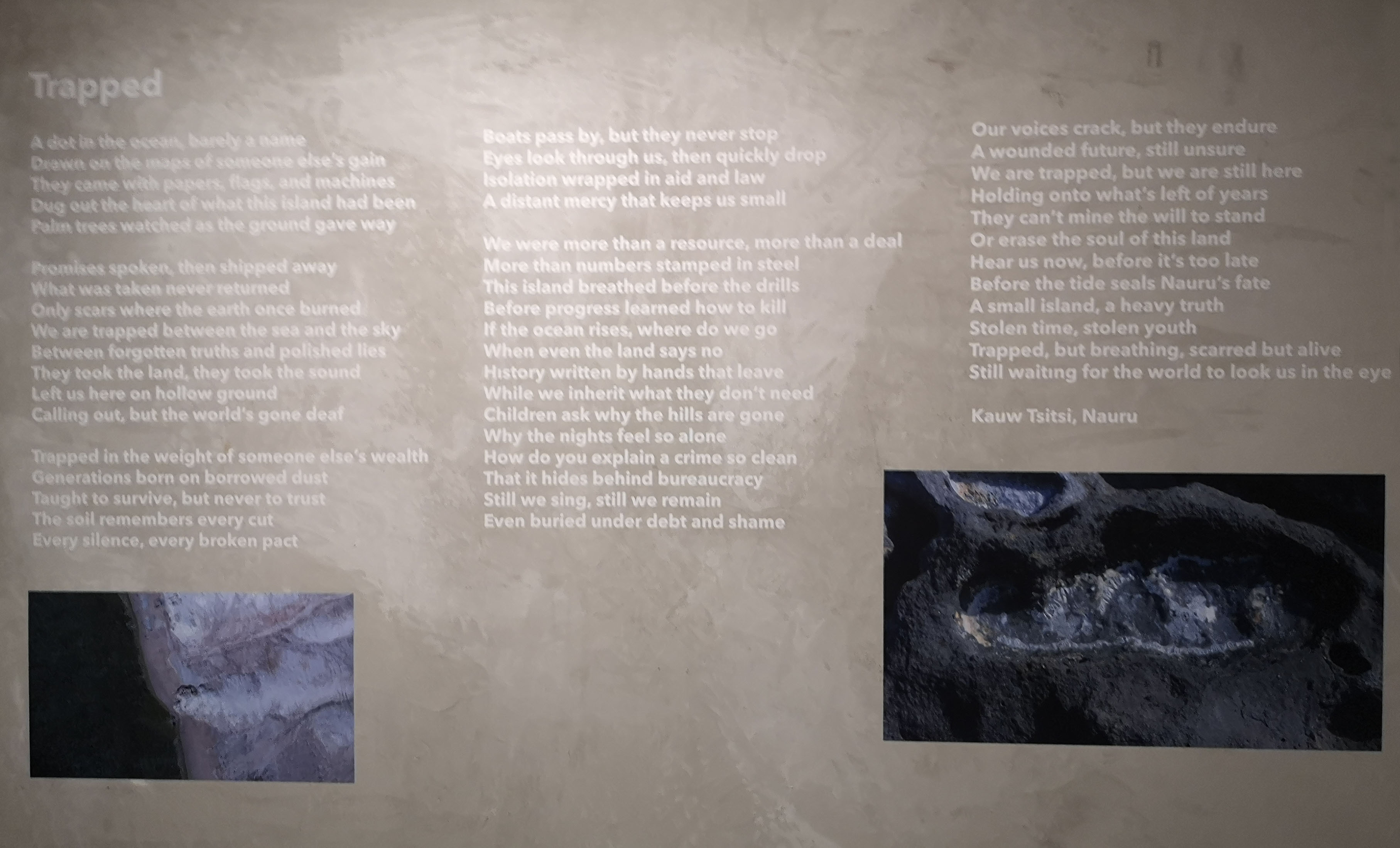
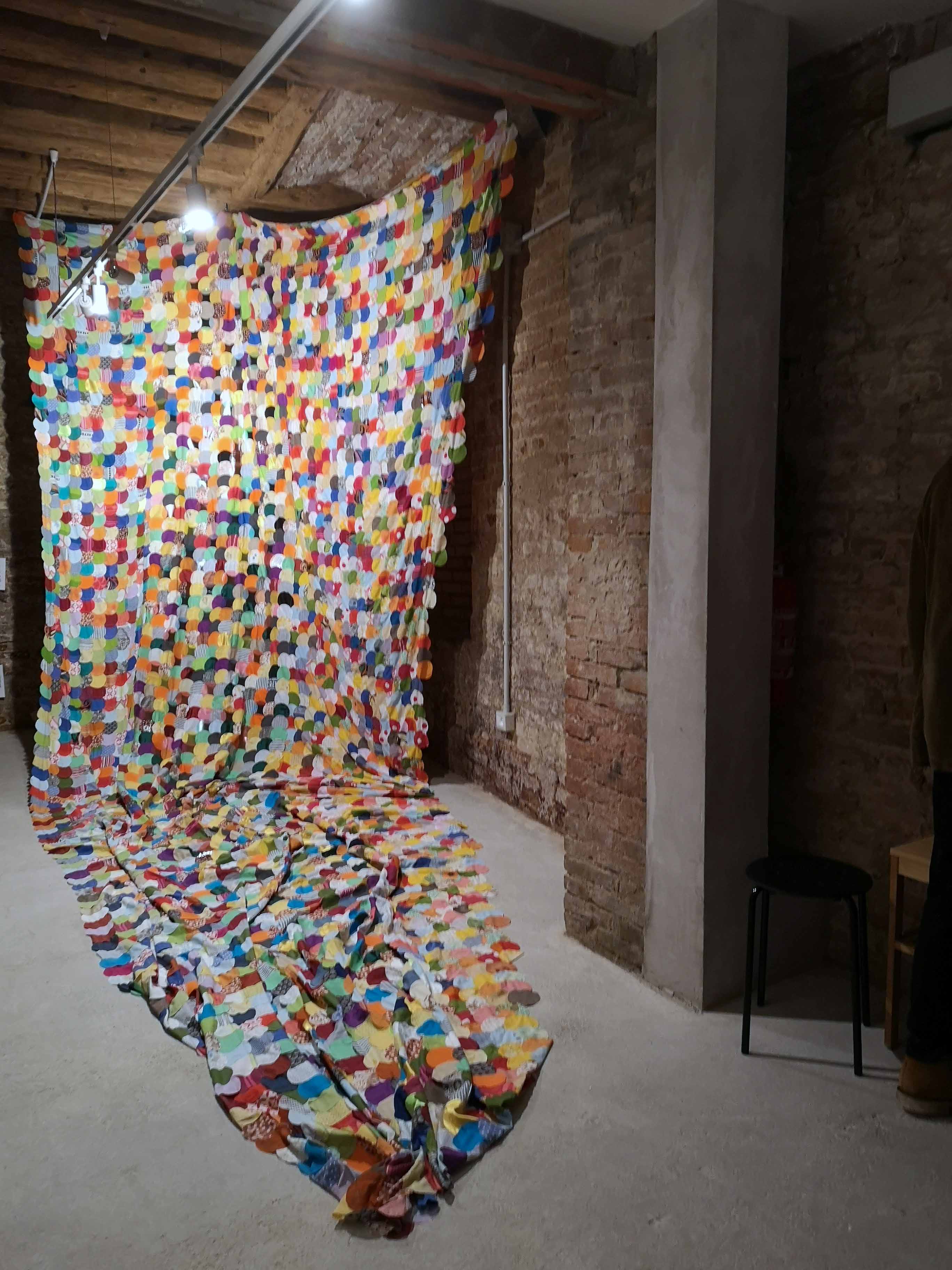
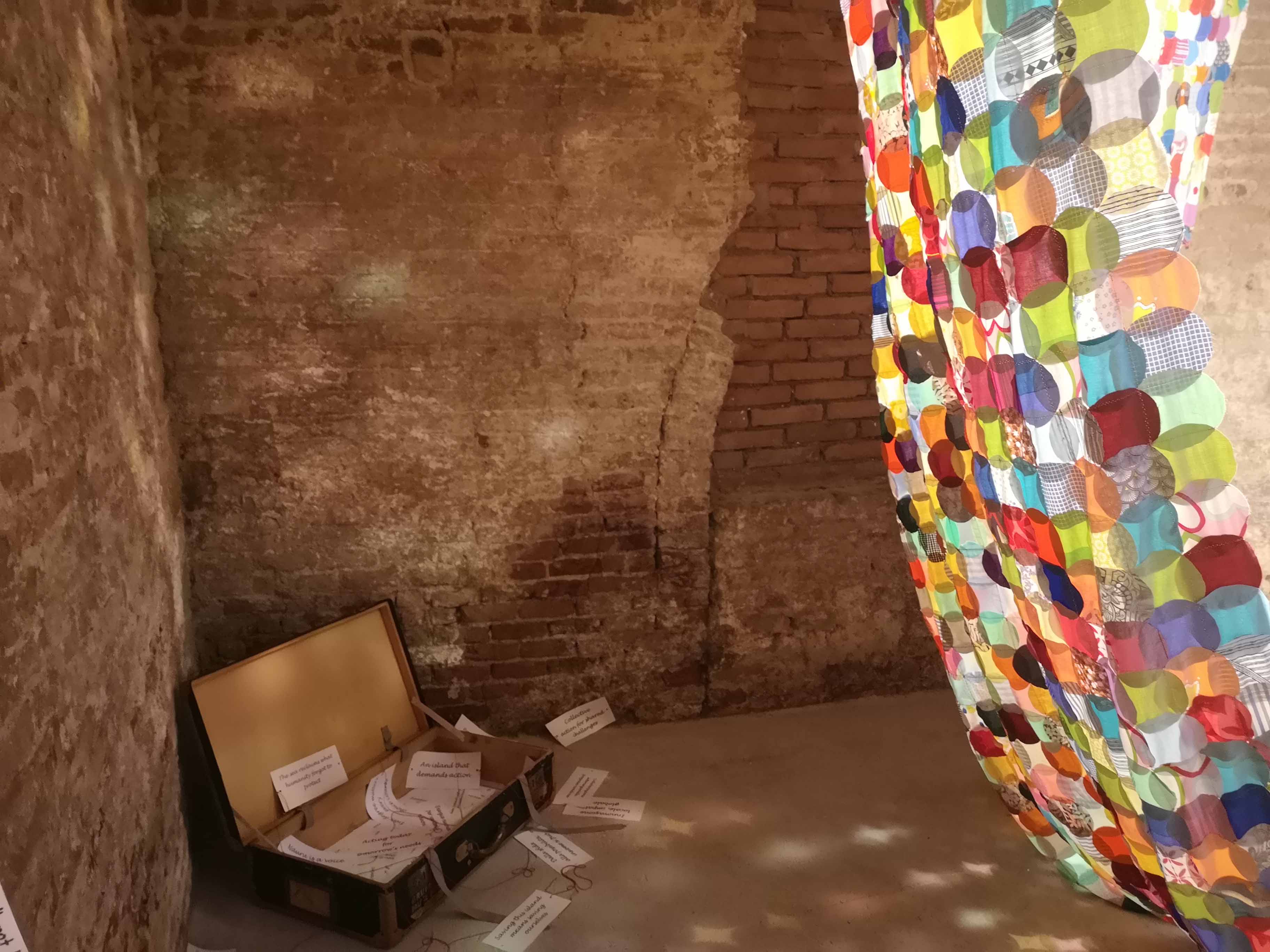
For its first participation at the Venice Biennale, the Pavilion of Nauru unites ten international artists. Under the title “AIM Inundated, Imagining Life After Land” they examined the current situation of the small island state. Nauru is the world’s smallest republic, both in terms of surface and population. Due to extensive phosphate mining, agriculture is largely impossible. Additionally, the rising sea levels due to global warming threatens the island. Evidently, the subject of the artworks focusses on the issue of the climate crises.
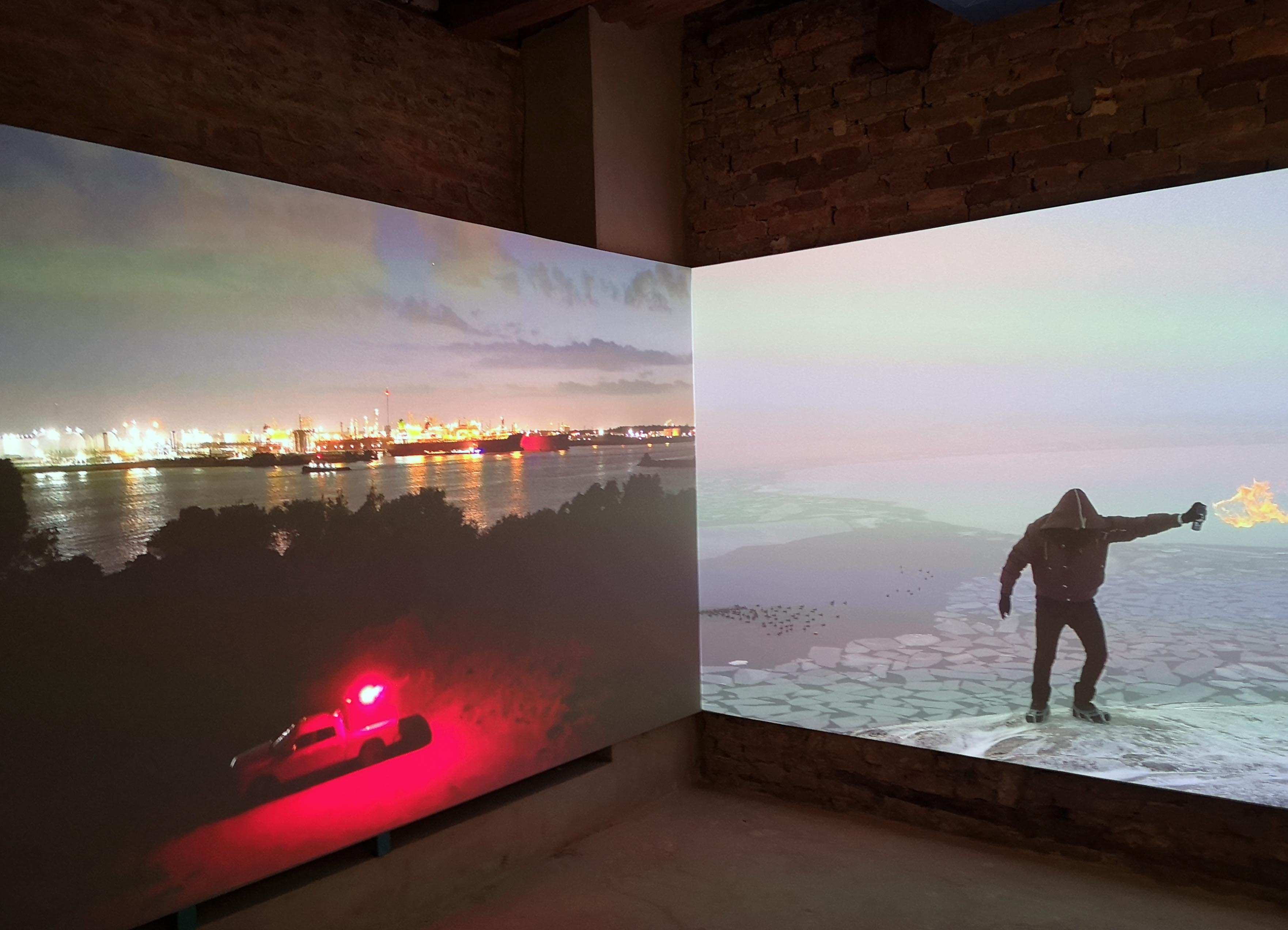
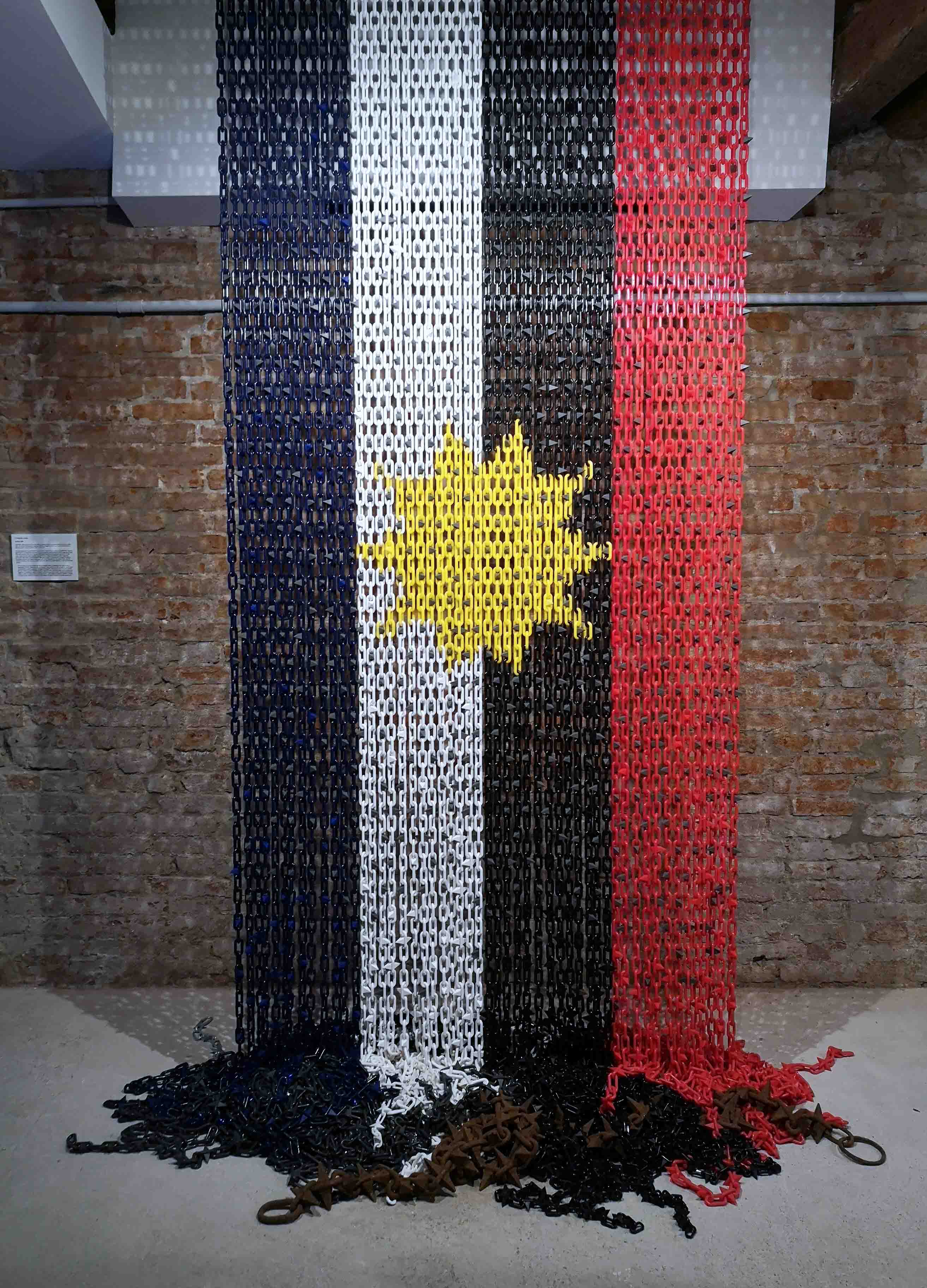
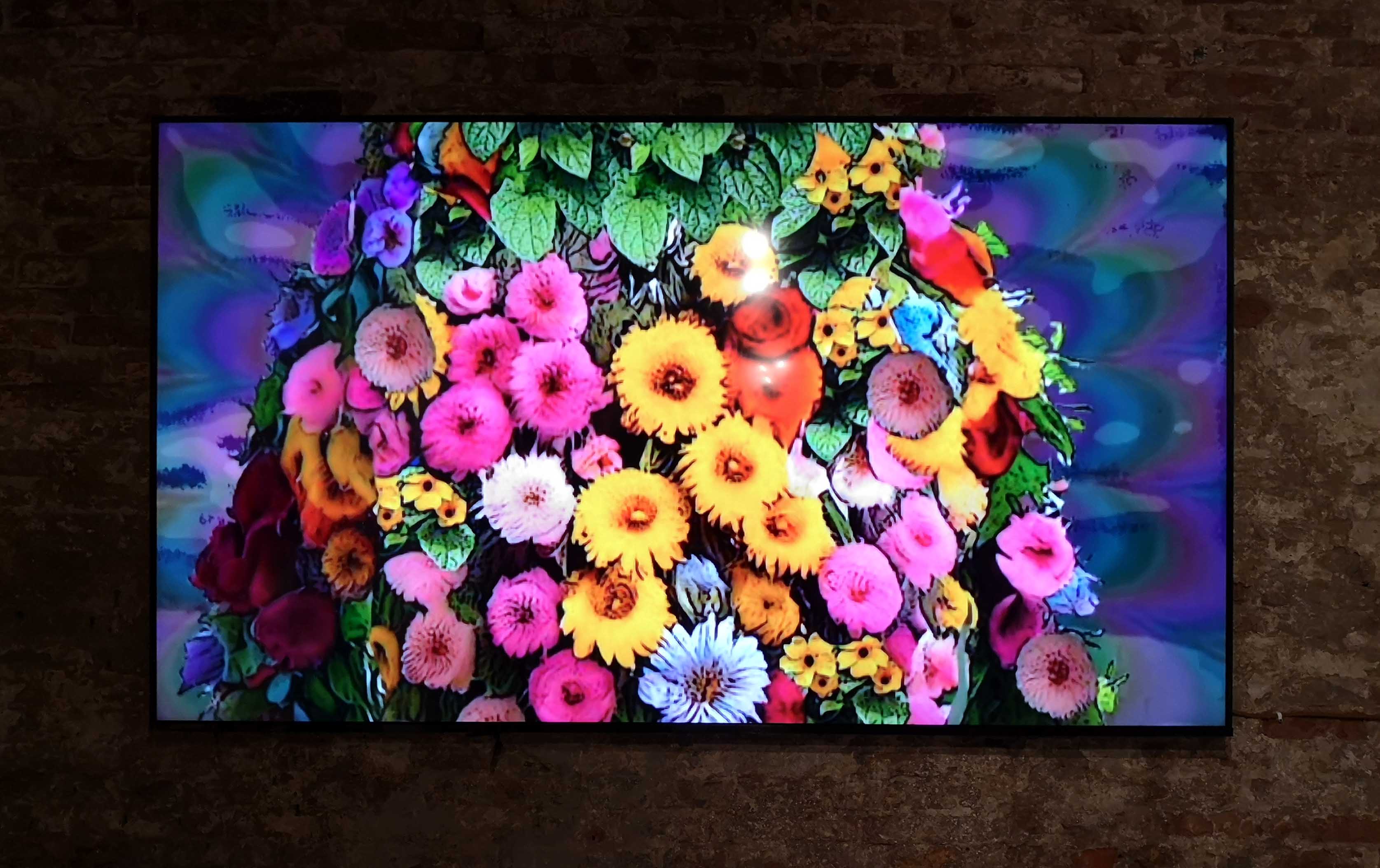
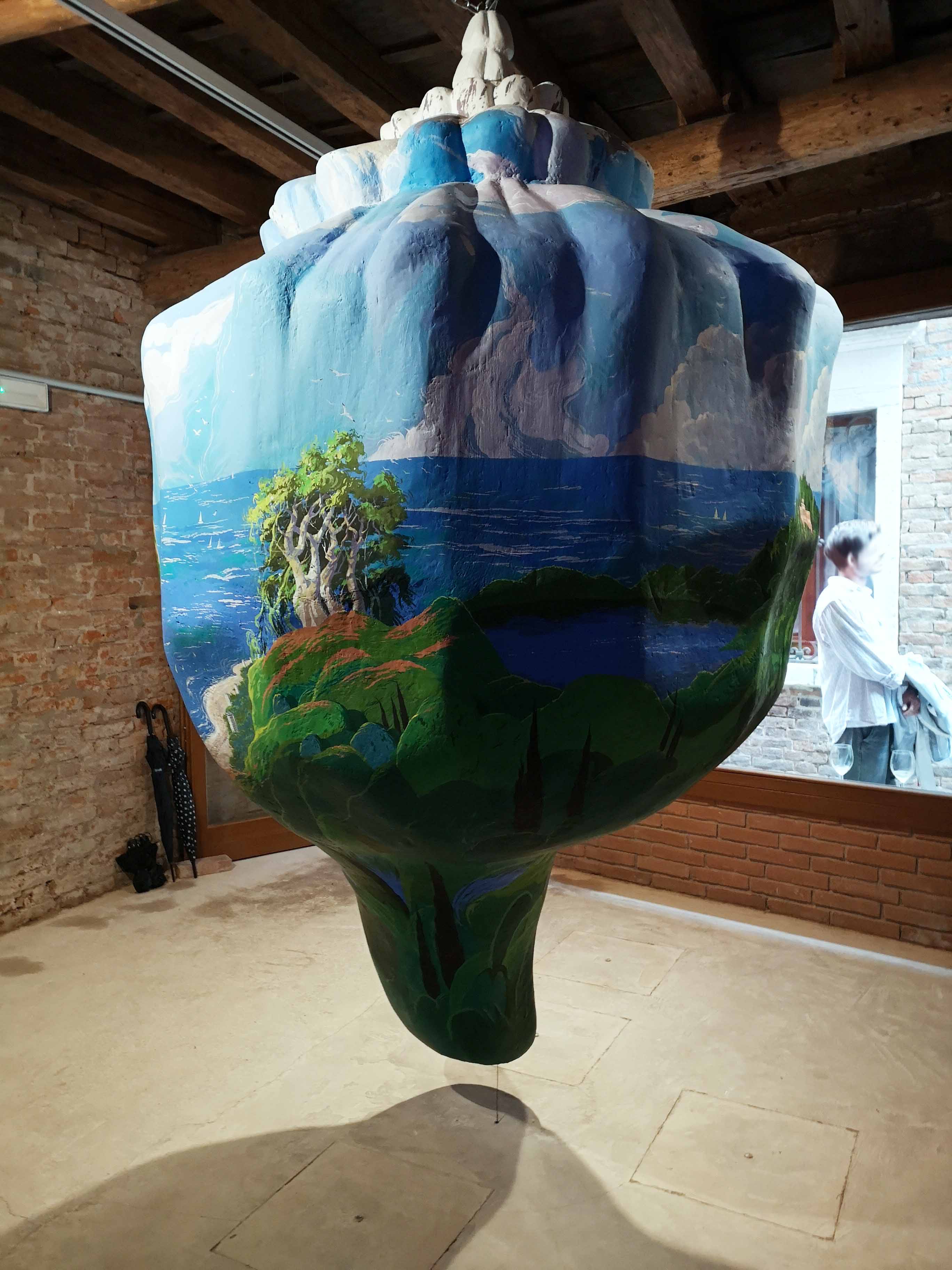
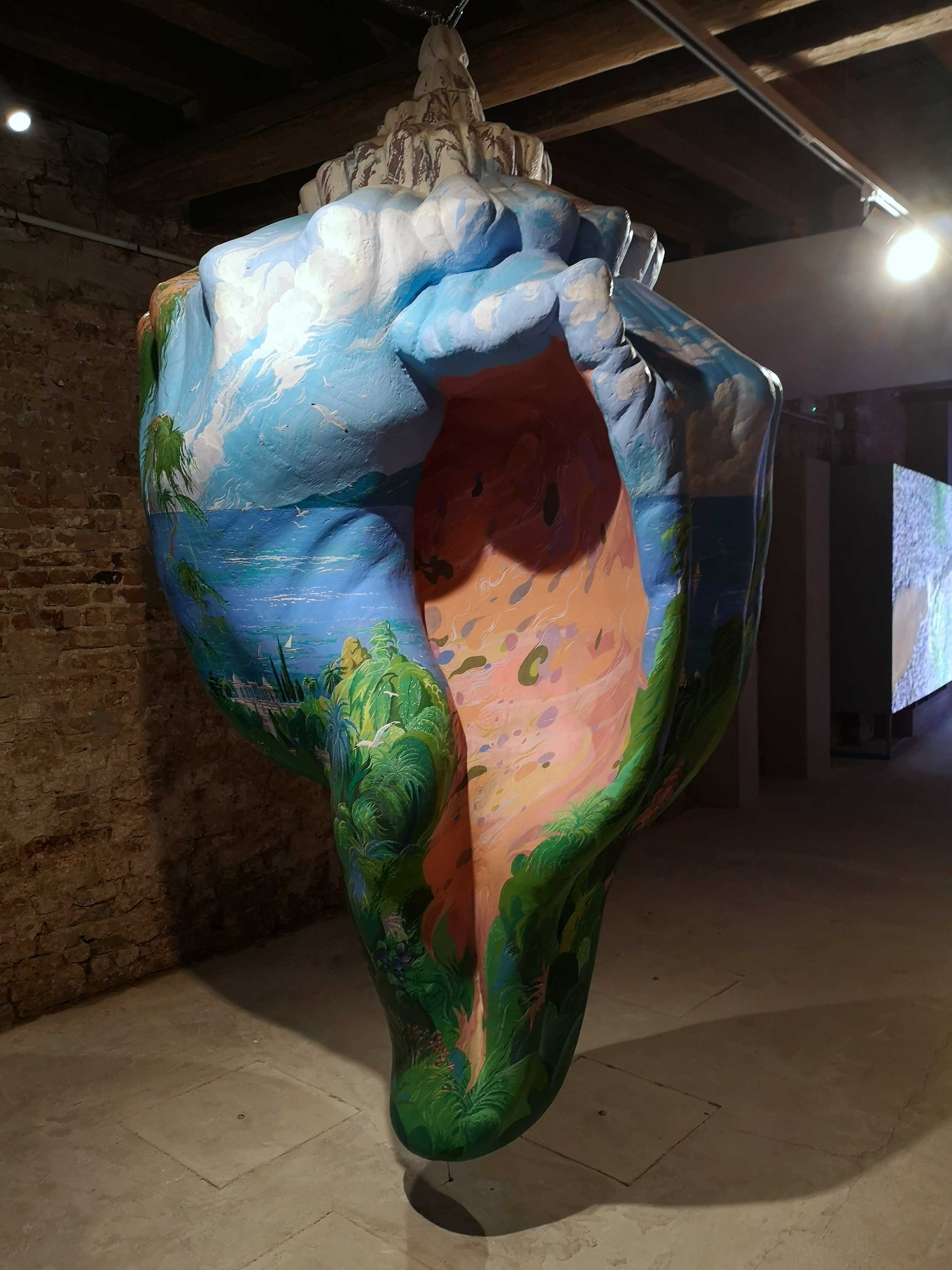
Kauw Tsitsi, the only native from Nauru illustrates with his poem “Trapped” his feelings regarding the current situation. Stefano Cagol, also co-curator, shows a two-channel video “We Are All Nauru” recorded in Greenland and Texas about resource hunger and his symbolic interventions to denounce environmental destructions. Iv Toshain points with his chain installation “Erewhon” to colonialism. Ron Laboray meditates with “Disappearance as Perceptual Inquiry” on loss and instability as a cultural condition. In his video merge the National Flower of Nauru, a Medieval Mermaid, and the cover of Dark Side of the Moon as illustration of the volatility in our societies. Tedo Rekhviashvili’s sculptural and sound installation “Sea that Remembers” in form of an oversized shell presents a decorative surface, which covers conflicts and traumata. With “I Used to Go to the Beach” Patricia Jacomella Bonola contributed a monumental sail as symbol of resistance and invitation to solidarity. We talked with her about the pavilion and her artwork. You can read the interview here.
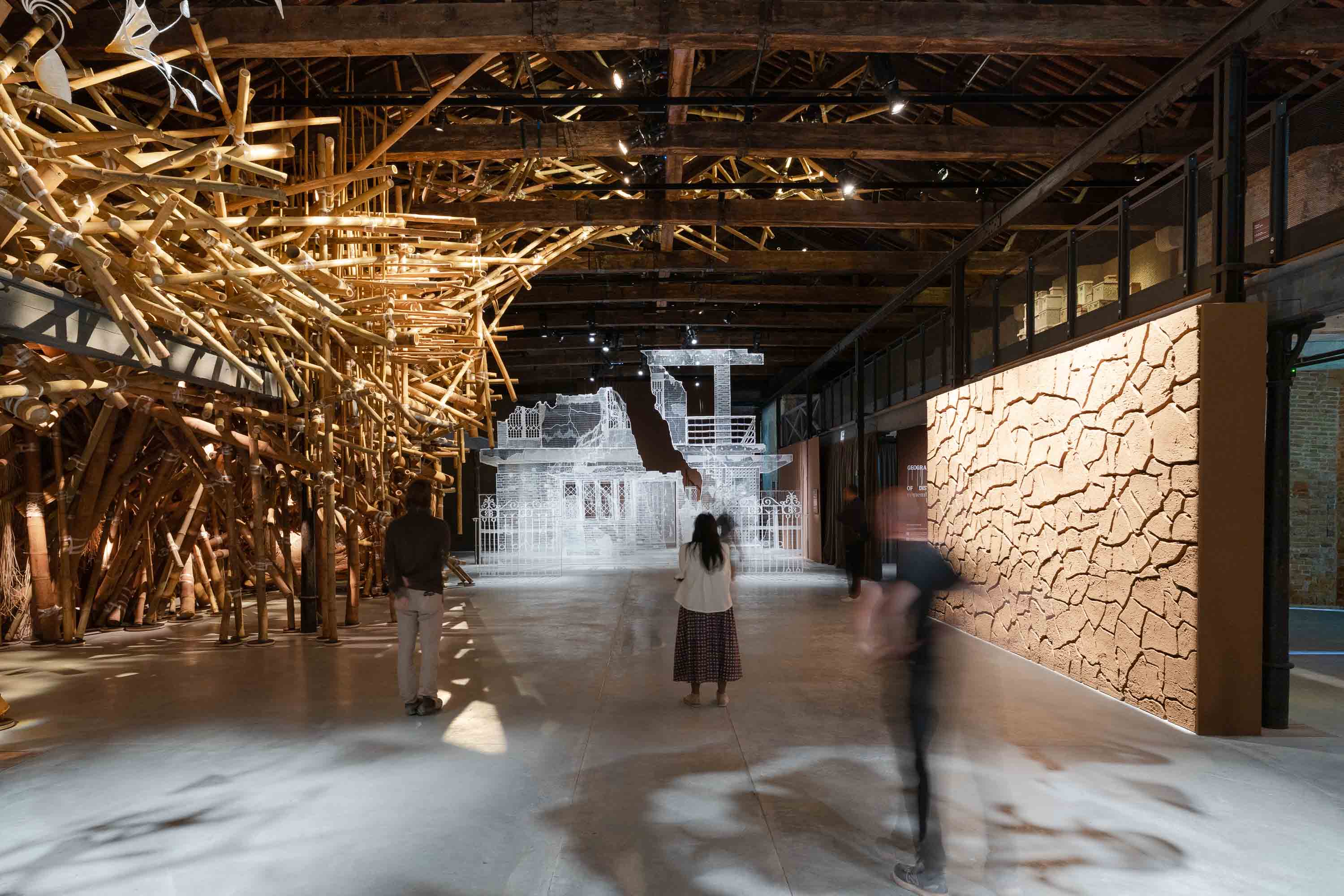
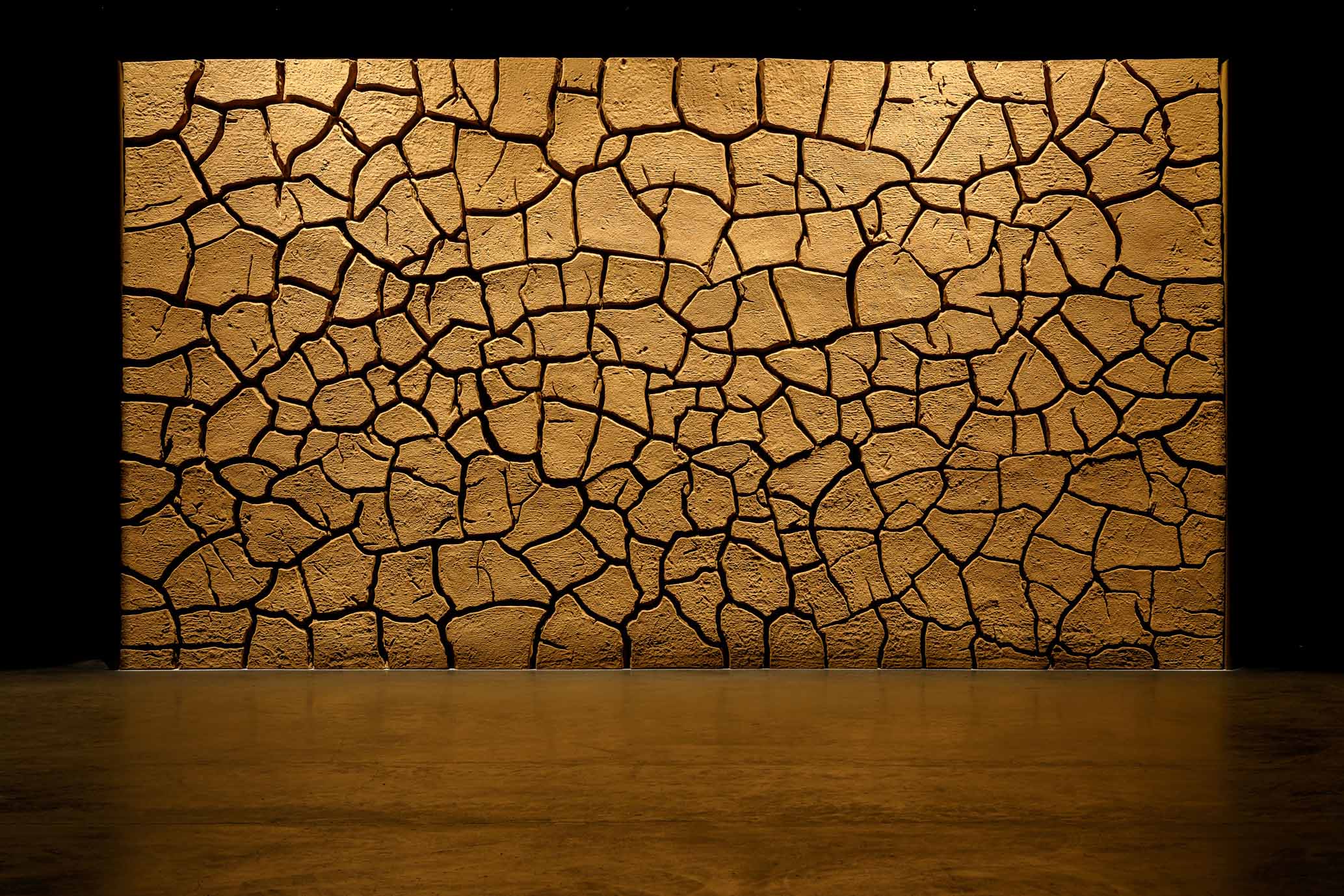
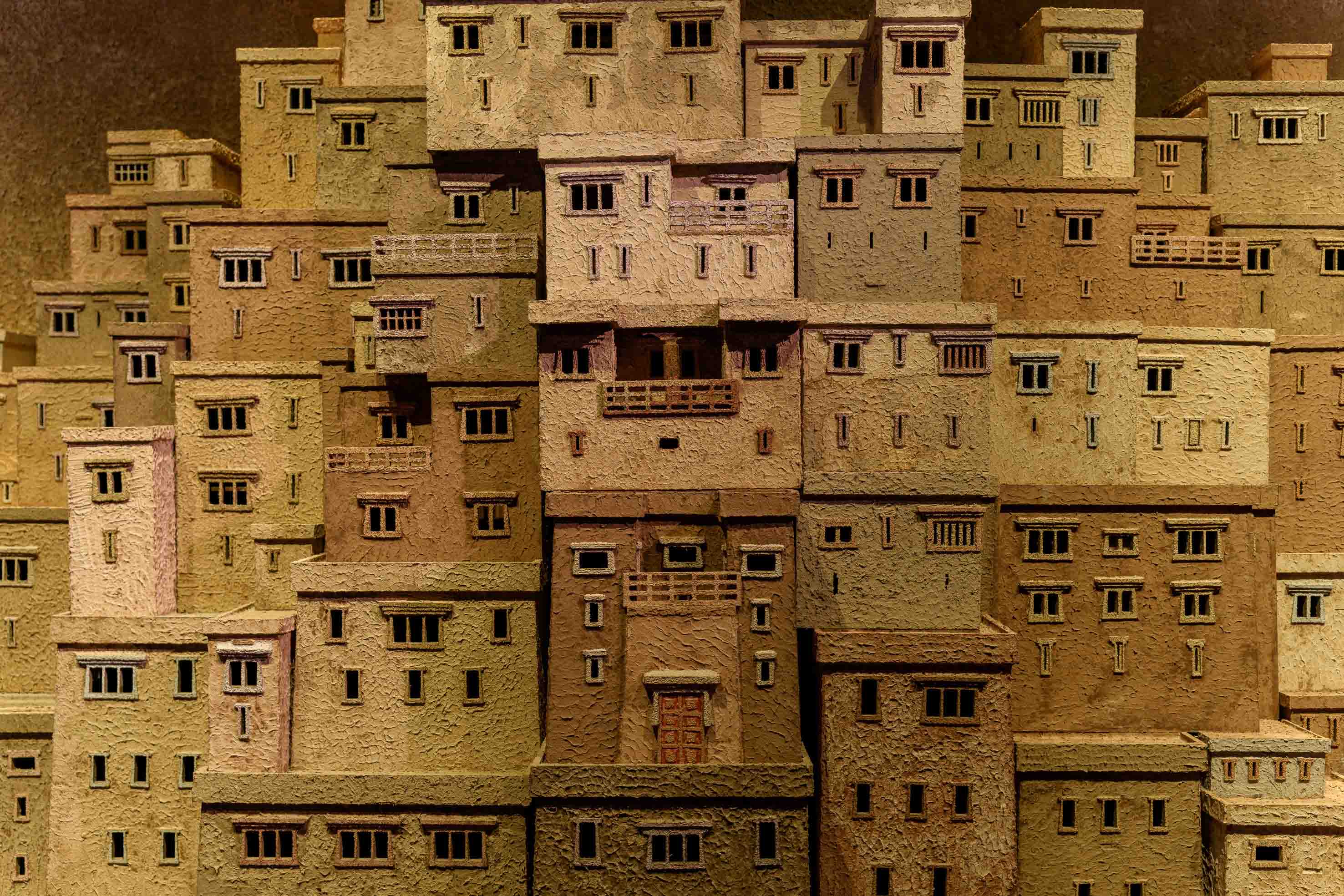
Under the title “Geographies of Distance – remembering home” India gathered five artists in its space in the Arsenale. The extensive installations recount the current situation of fast change in the country. Demographic growth, due to a persistent economic upturn caused by a boom in technology, changes the urban landscape rapidly. Moreover, the mobility of the habitants increases, whether within the country or on a global scale. As a result, traditional neighbourhoods are gradually disappearing, and new ones are springing up. This means for many people the loss of their original environment, not only in form of buildings and quarters, but also social relationships, traditions and culture. The five artists, Alwar Balasubramaniam, Sumakshi Singh, Ranjani Shettar, Asim Waqif and Skarma Sonam Tashi reflected on this situation using traditional and natural materials.
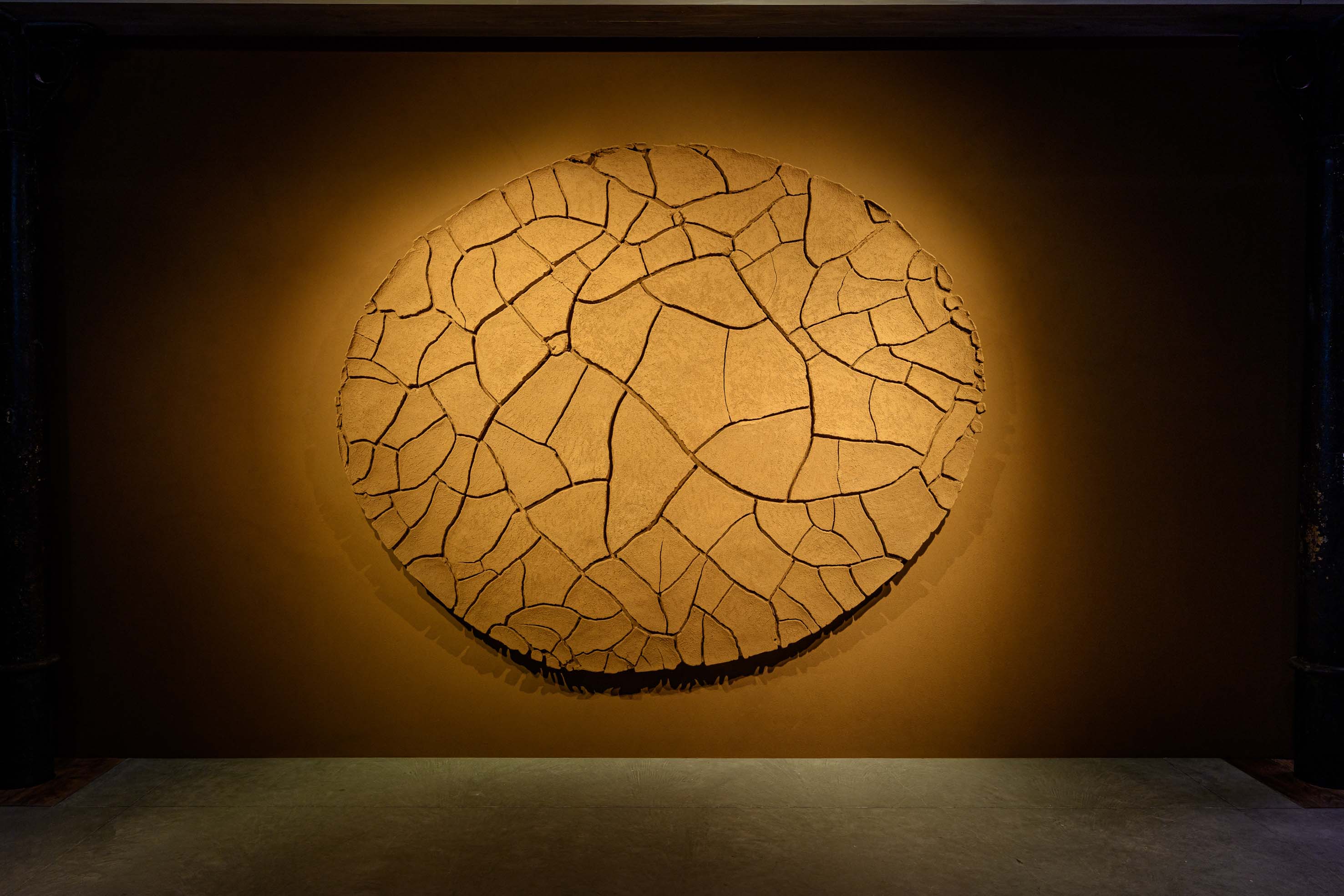
Alwar Balasubramaniam uses earth, clay, stone, and organic matter. After mixing these substances he applicates the blend centimetre-thick on round discs or rectangles and leave it to dry in the air. This causes cracks on the surface. The resulting reliefs recall beds of dried-up lakes and rivers. Herewith he points to the fragility of the land, which suffers the reduction of groundwater caused by soil sealing, extensive agriculture or mining and herewith draughts in connection with climate change.
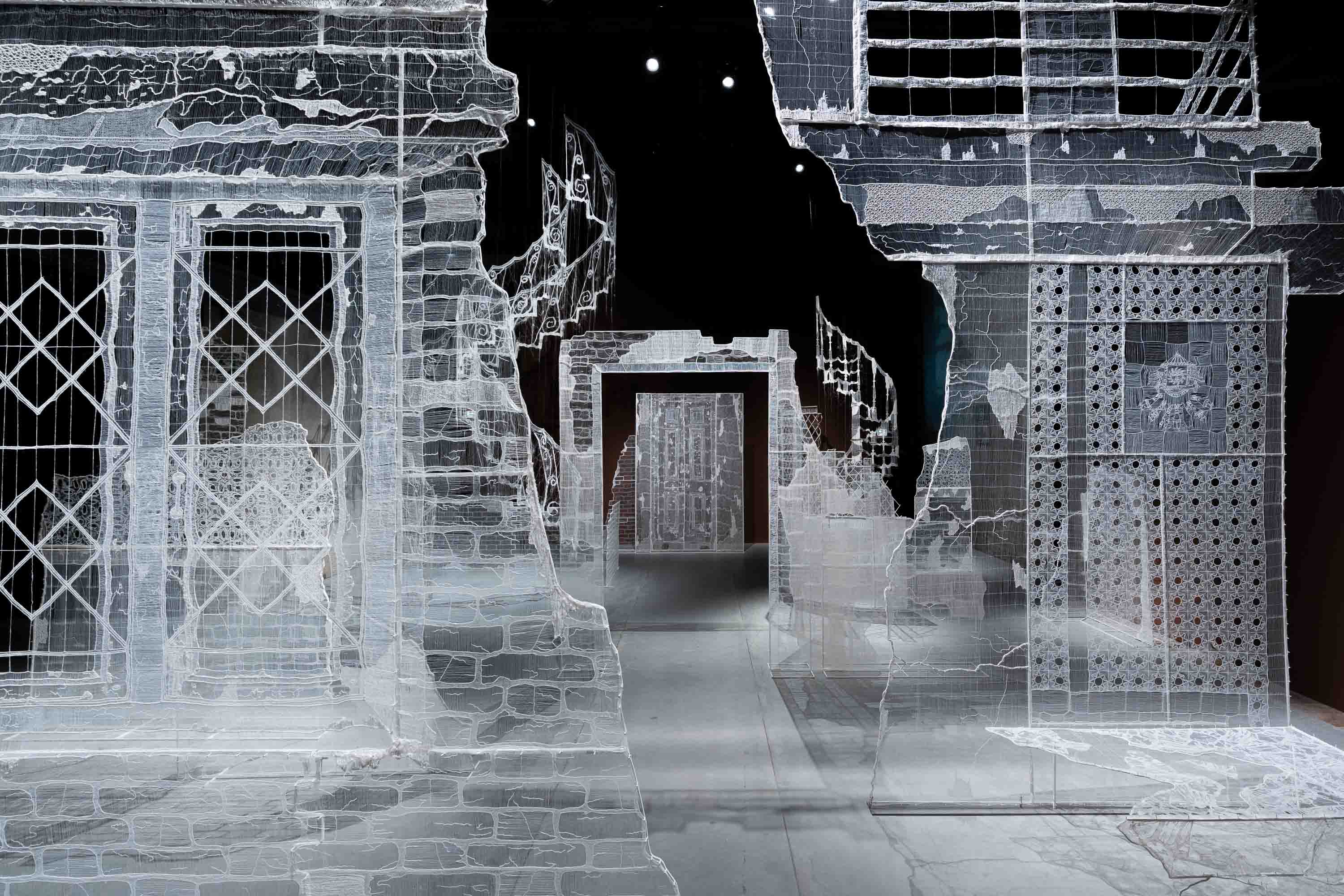
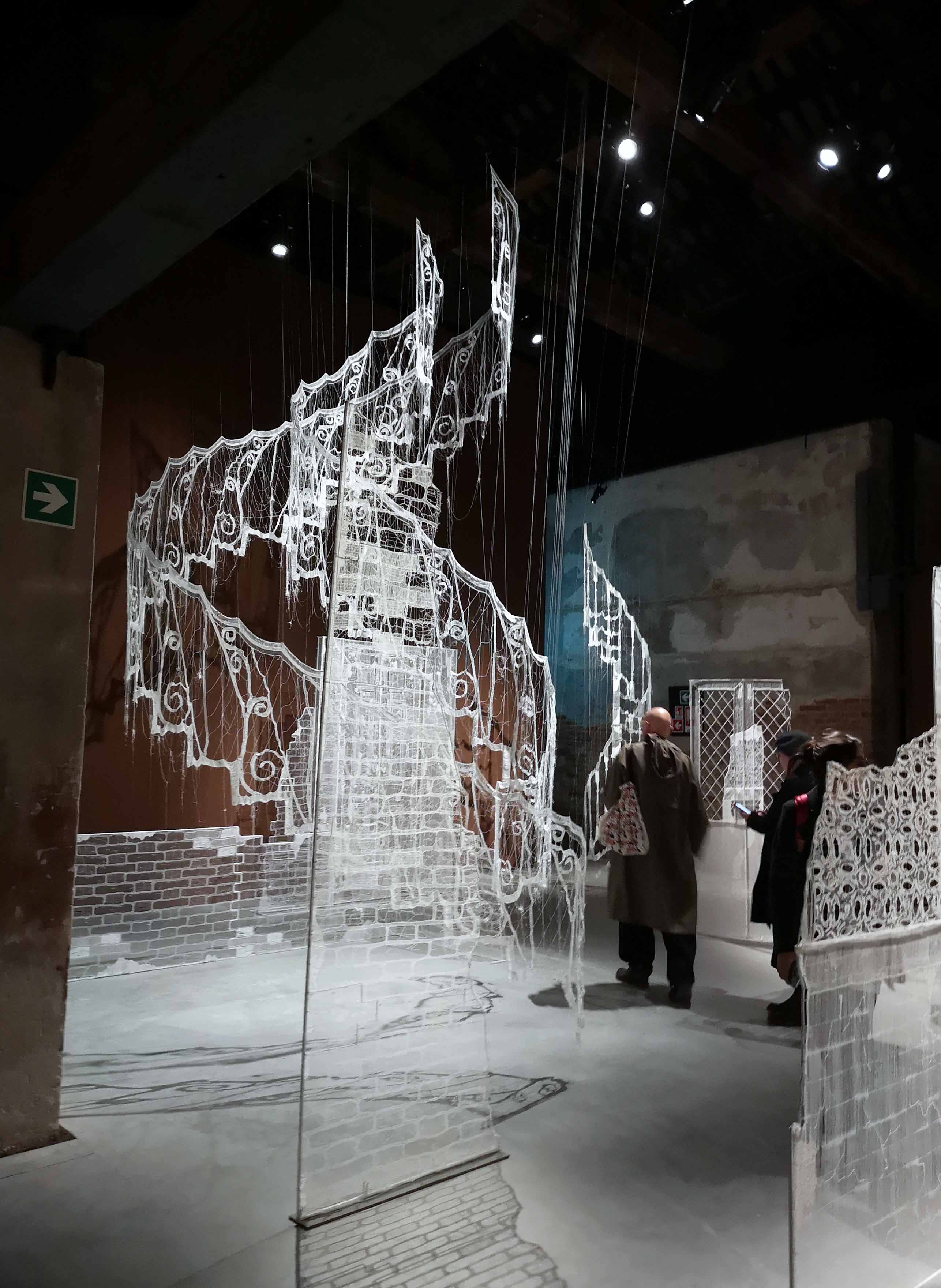
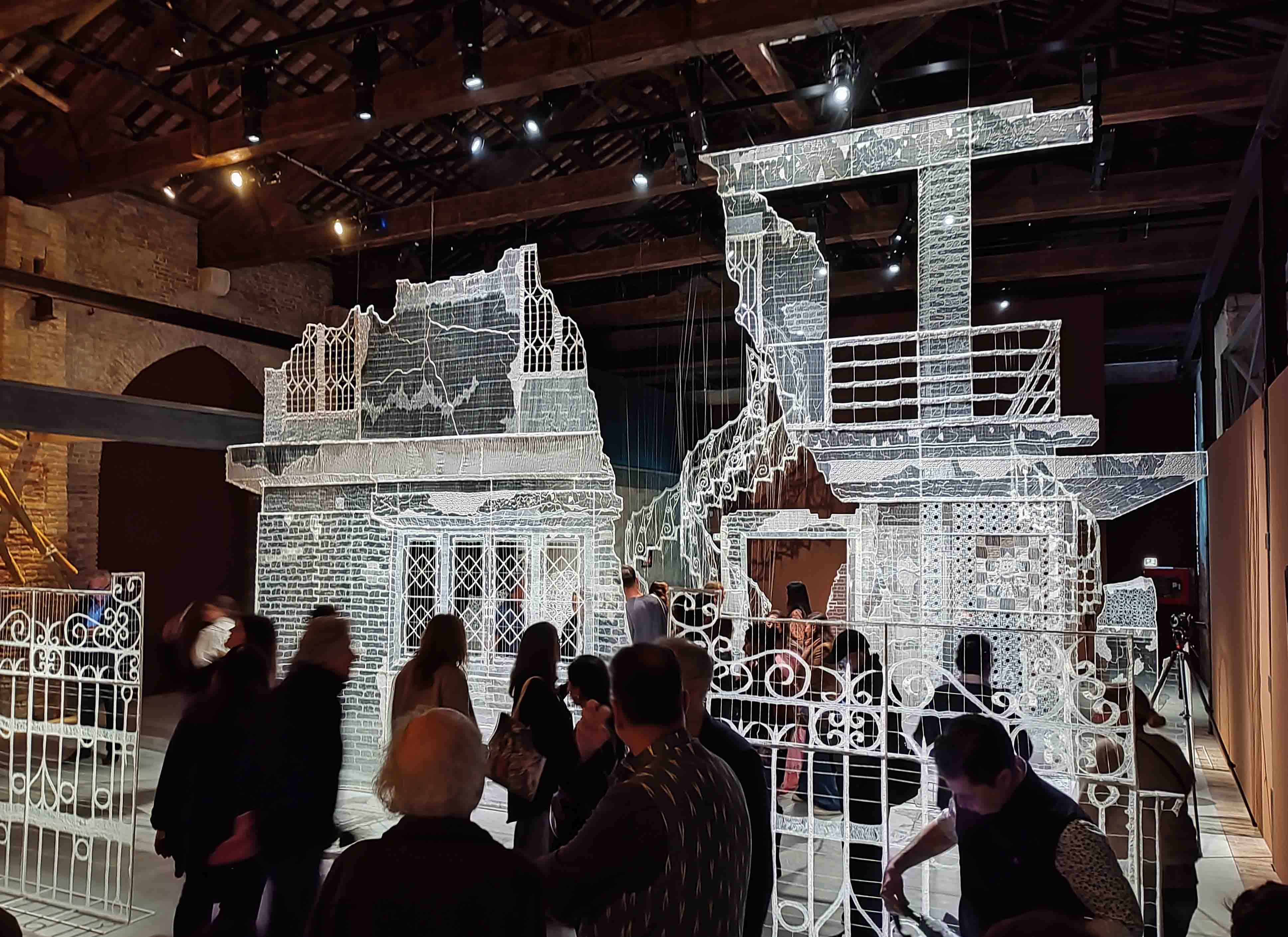
Sumakshi Singh recalls the now demolished house of her grandparents. Once it was not only the official family address, but also the place for family gathering and lively home for many relatives and friends, a sheltering place. Here the artist spent much time knitting and embroidering with her grandmother. In memory of all these experiences, Sumakshi Singh reconstructed the house, but not in mortal and stone, but in delicate lace fabrics.
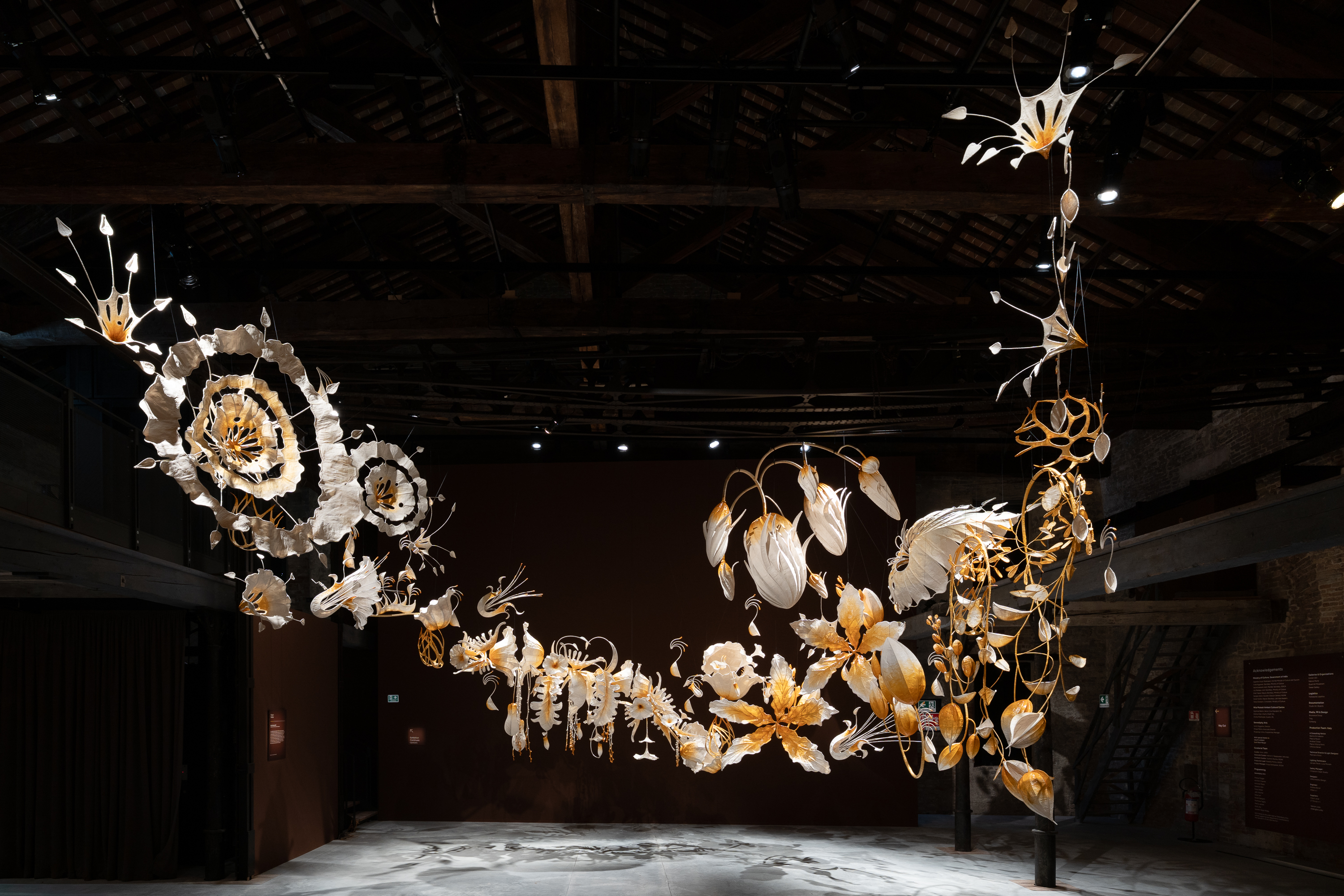
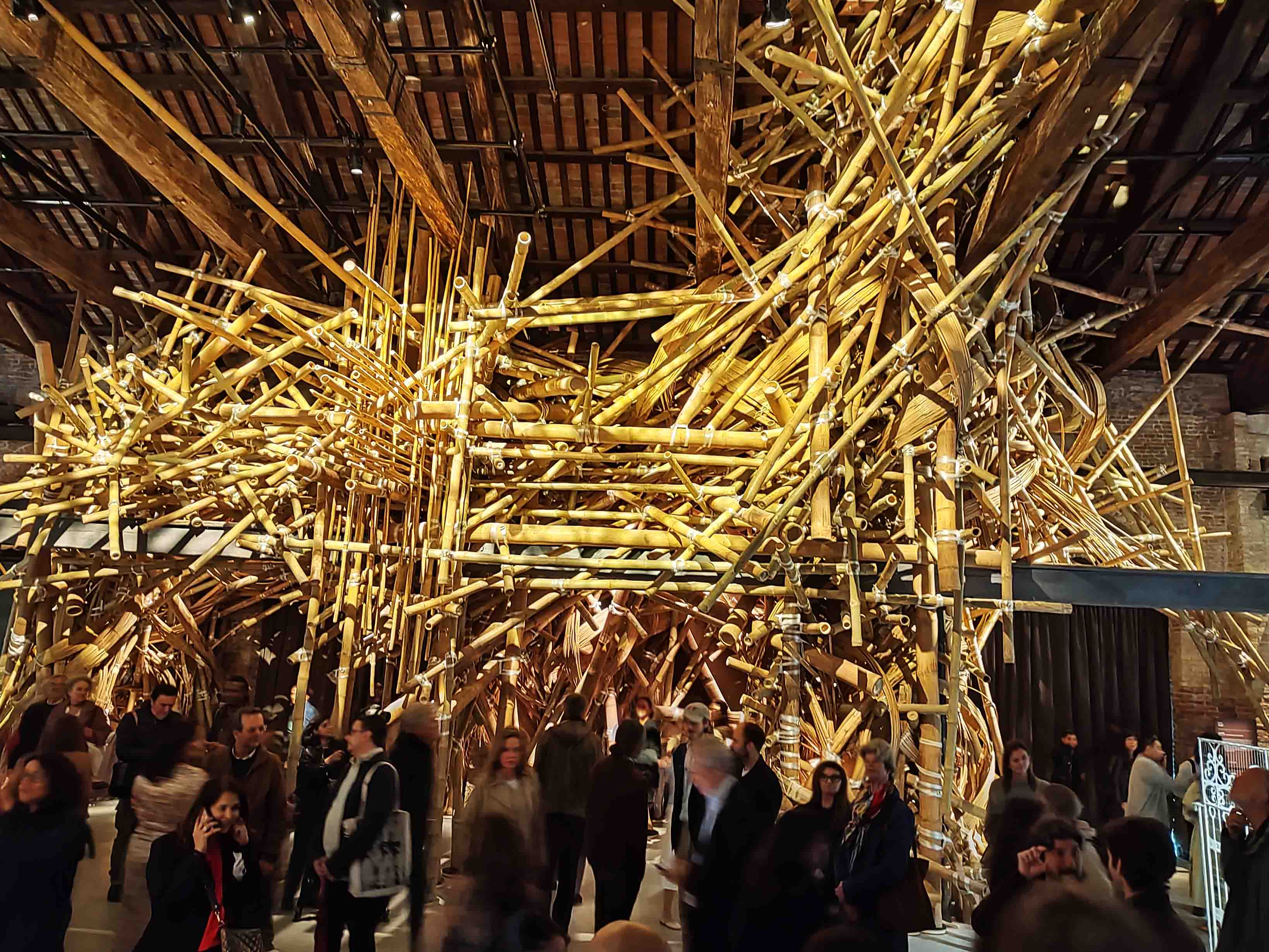
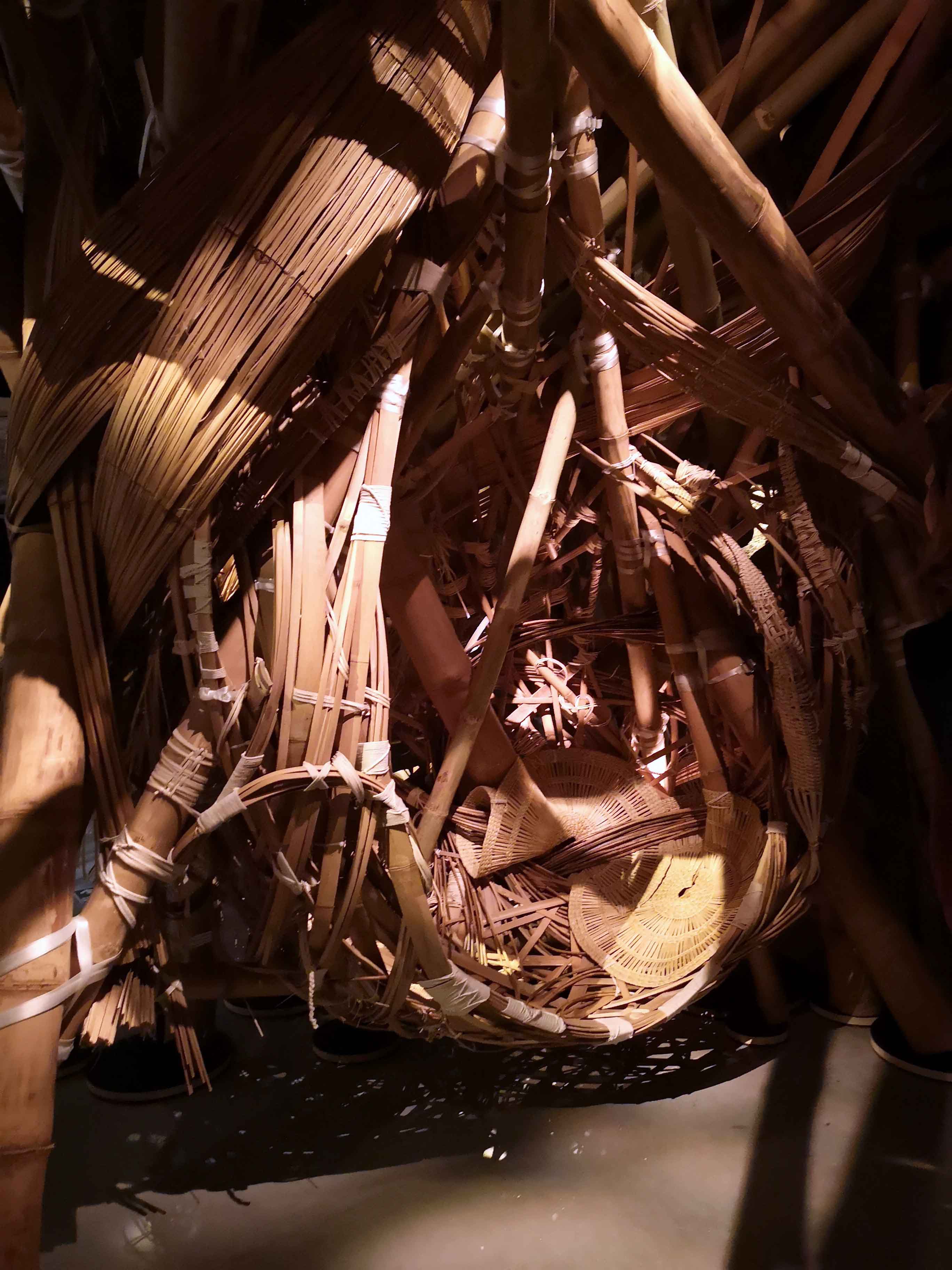
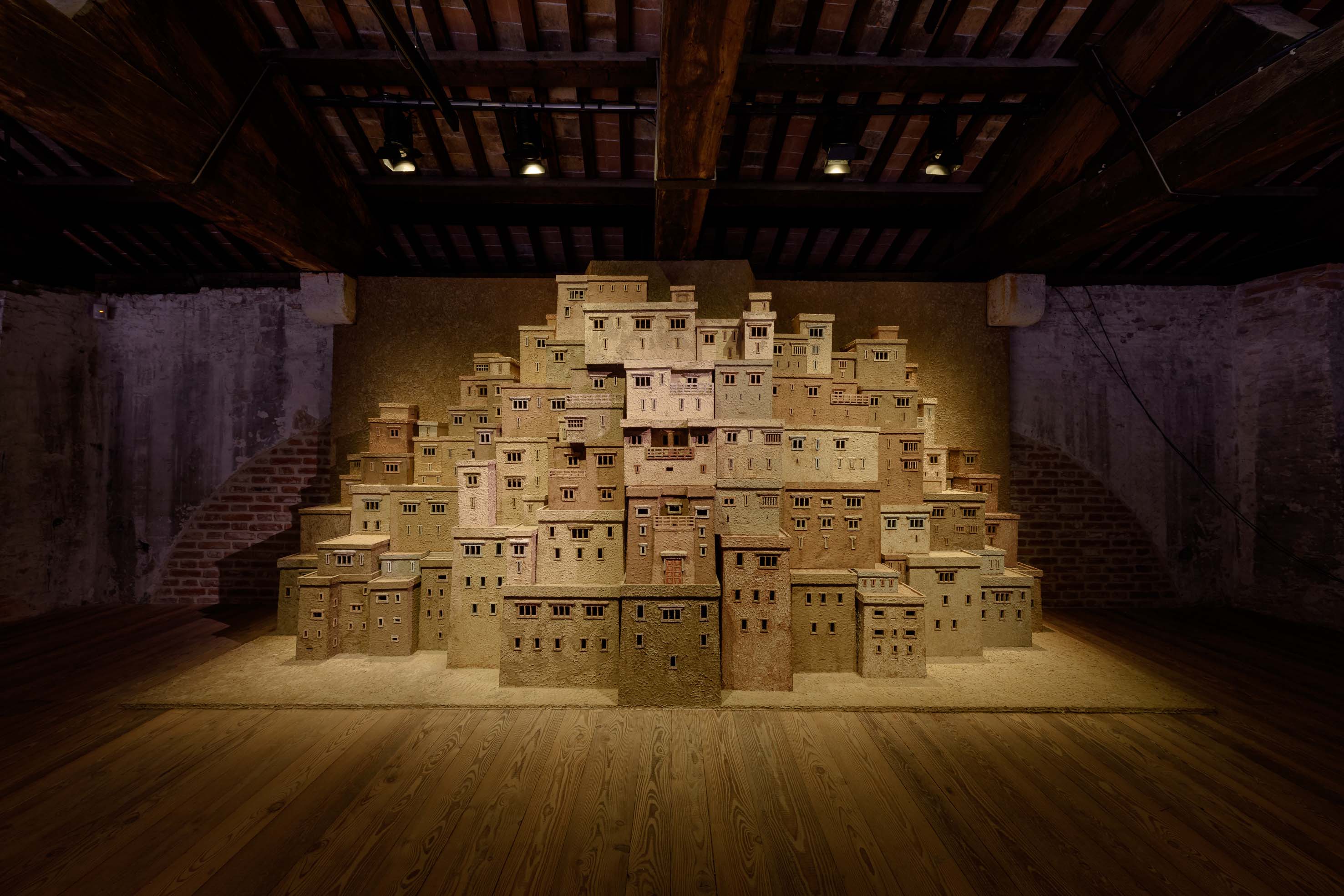
Ranjani Shettar makes oversized flowers that hang from the ceiling. In her creative process, she draws on centuries-old craftsmanship, bringing it to our time. Also Asim Waqif adopts a traditional technique, namely that of building scaffolding from bamboo. His invasive installations take up a large part of the exhibition space and remind that new buildings overgrow traditional neighbourhoods. Skarma Sonam Tashi uses papier-mâché to create entirely new neighbourhoods and landscapes, which nevertheless draw on traditional architectural forms.
Text: Astrid Gallinat
Photos © Astrid Gallinat & Stephan Goseberg, if not mentioned otherwise
All our articles about this year’s Venice Biennale:
The 61st Venice Biennale (Part 1): Soft notes in the Arsenale
The 61st Venice Biennale (Part 2): Places of Tranquillity and political Observations