
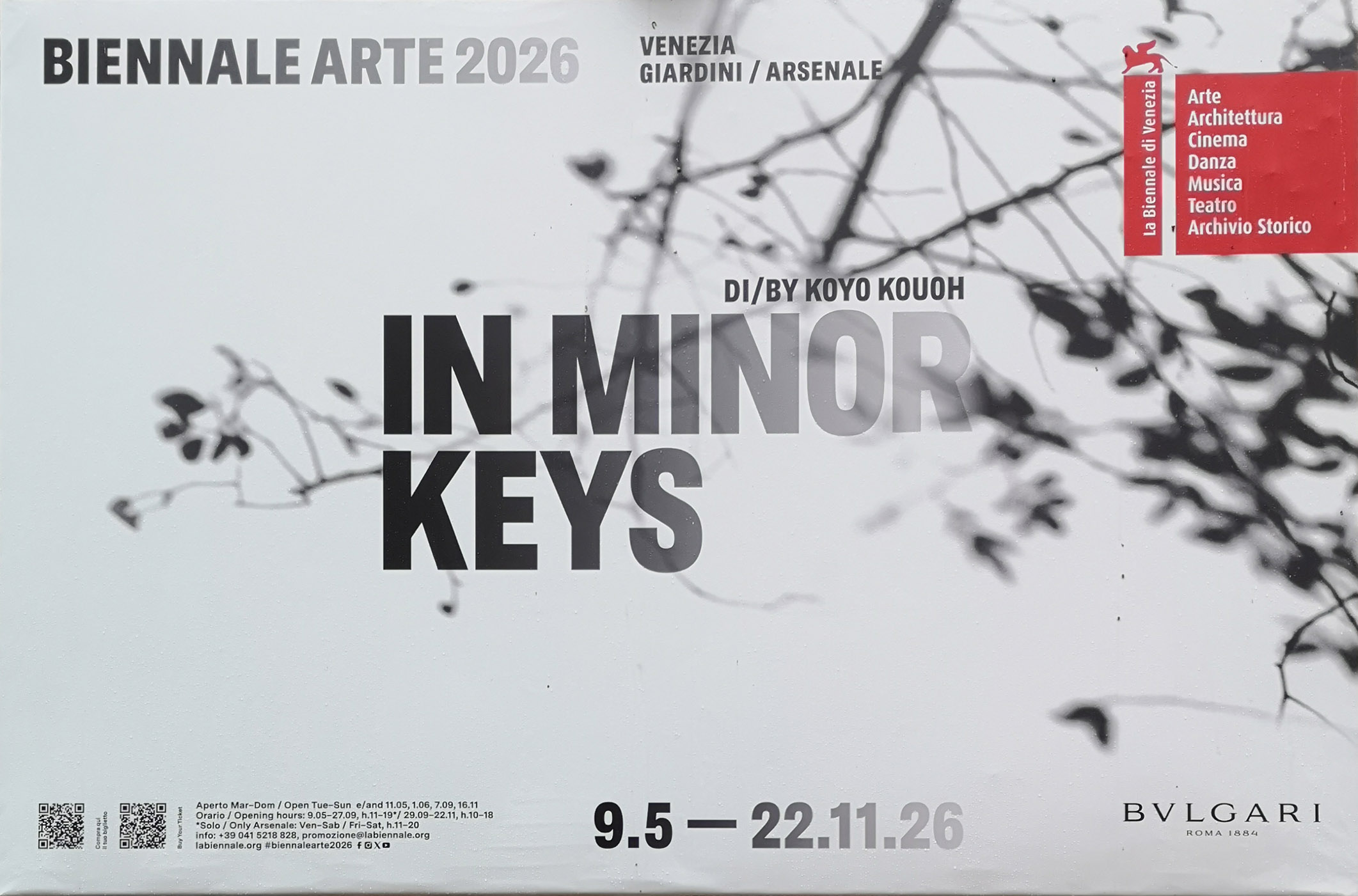
 Entitled “In Minor Keys”, the 61st International Art Exhibition of La Biennale di Venezia opened on Saturday 9 May 2026. A team of curators (1) continued the work of Koyo Kouoh, who passed away a year ago, in keeping with her vision: to “propose to visitors an exhibitional experience that is more sensory than didactic”. (2) This is evident in the main exhibition at the Arsenale, which addresses not only the visual, but also the auditory and olfactory senses. As the title suggests, the overall tone is a quiet, contemplative one. Visitors should take their time to experience the works on display and reflect on their messages. There is enough hustle and bustle outside.
[Take a deep breath]
[Exhale]
[Drop your shoulders]
[Close your eyes] (2)
In Minor Keys: Melancholy and Hope
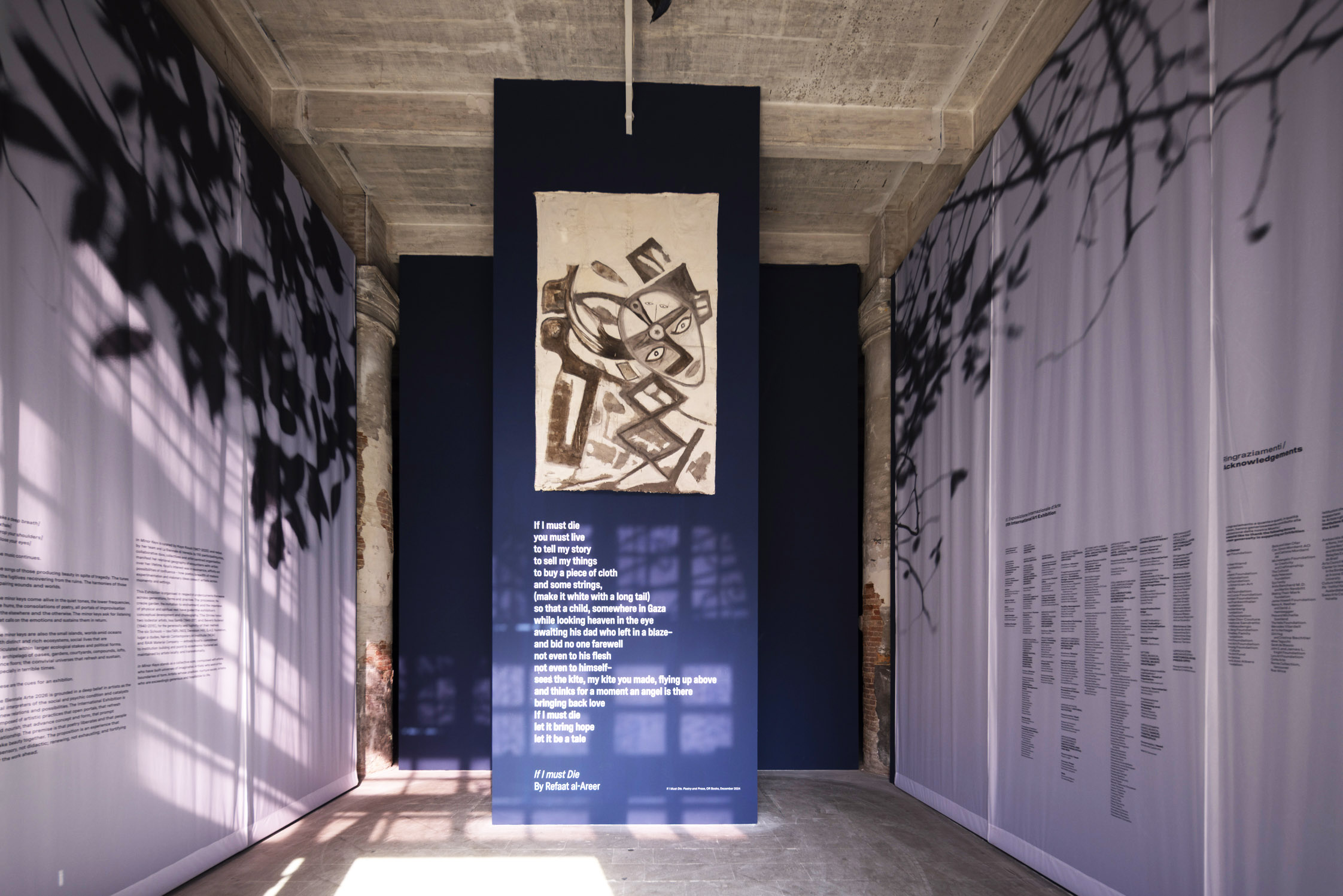 Already the opening at the Arsenale sets the tone right from the start. A painting in shades of grey by the Senegalese artist Issa Samb depicts a mask set against a backdrop of abstract forms. Beneath is the poem “If I Must Die” by the Palestinian poet and activist Refaat Alareer. Both artists, who have passed away since, encourage to embrace life. For Samb, gathering and exchange was part of his artistic practice like destroying and recreating his artworks in the sense of rebirth. In his poem, written five weeks before his killing in Gaza, Alareer transmits hope, despite dead. So, the basic tones are not only melancholic minor keys but also joy and hope are present.
Looking at the inner Self
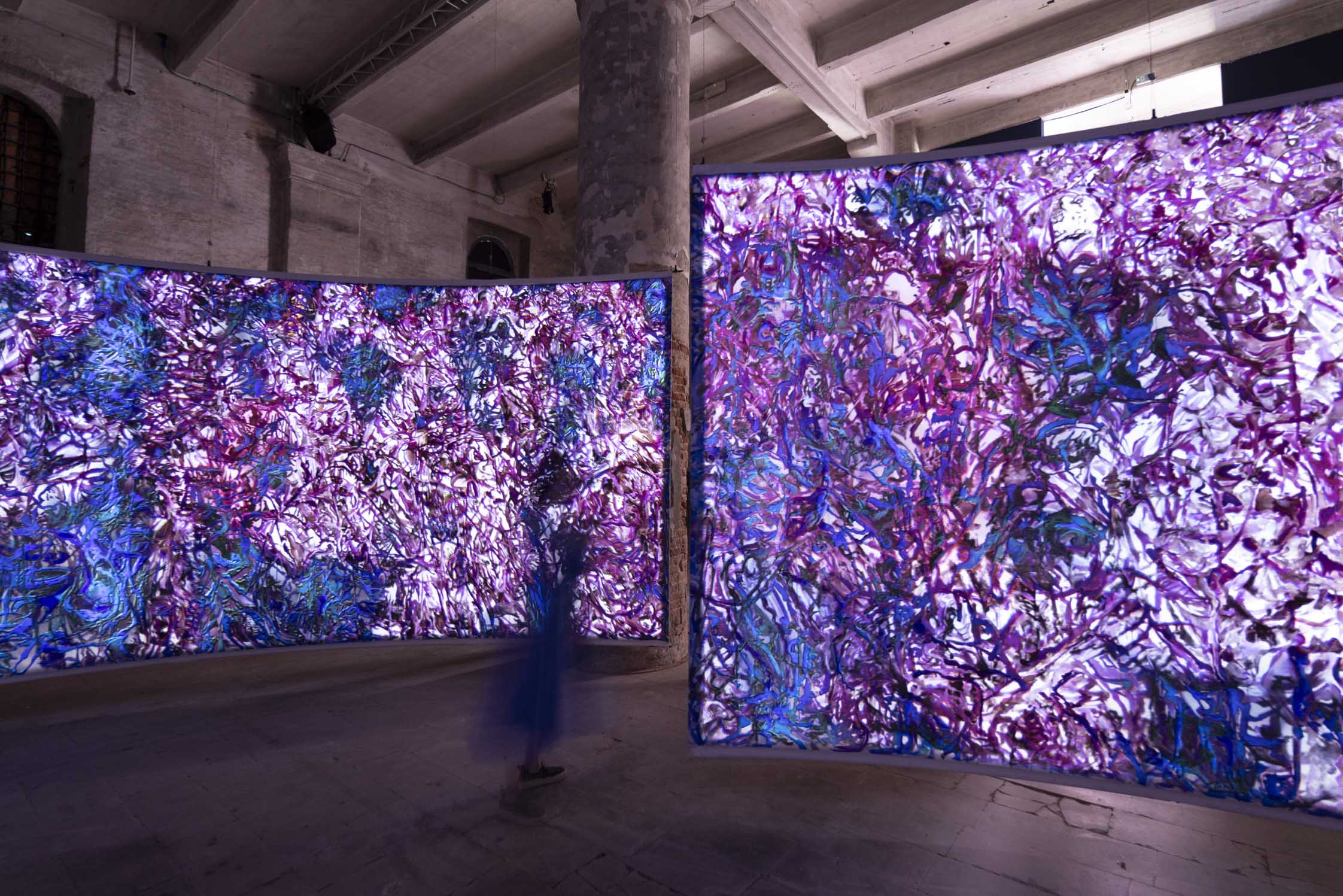 The site-specific multimedia installation that follows, appeals to all the senses. For “khalil”, an Arabic word for close friend or companion, Khaled Sabsabi arranged eight screens in a circle. An opening invites visitors to step inside. Here, the artist’s paintings in meandering colours are projected onto acrylic canvases. Blurred faces and figures appear, only to flow right after away into other shapes. Everything remains dreamlike indistinct. Murmurs and whispers echoing through the space. The scent of black oud fills the room. This fragrance seems to reduce stress and improve cognitive abilities and might therefore also be helpful in appreciating the next artworks. But before we move on, we could perhaps glance to our inner self. “khalil” is to counterpart to the artist’s installation in the Australian pavilion “conference of one’s self”. While the work for the national participation marks the outward dimension of the self, “khalil” explores the inner dimension.
Monumental and Miniature Sculptures
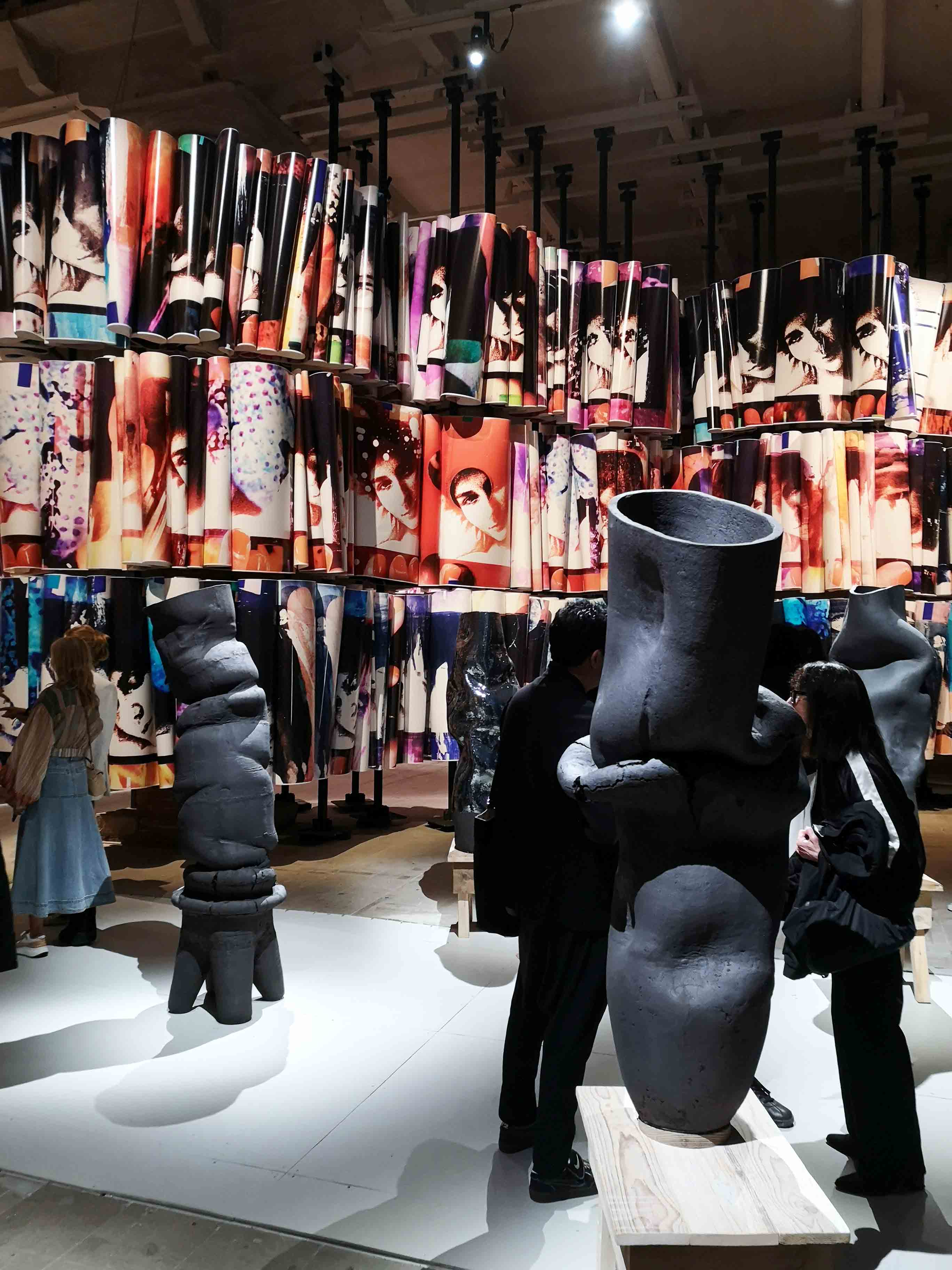
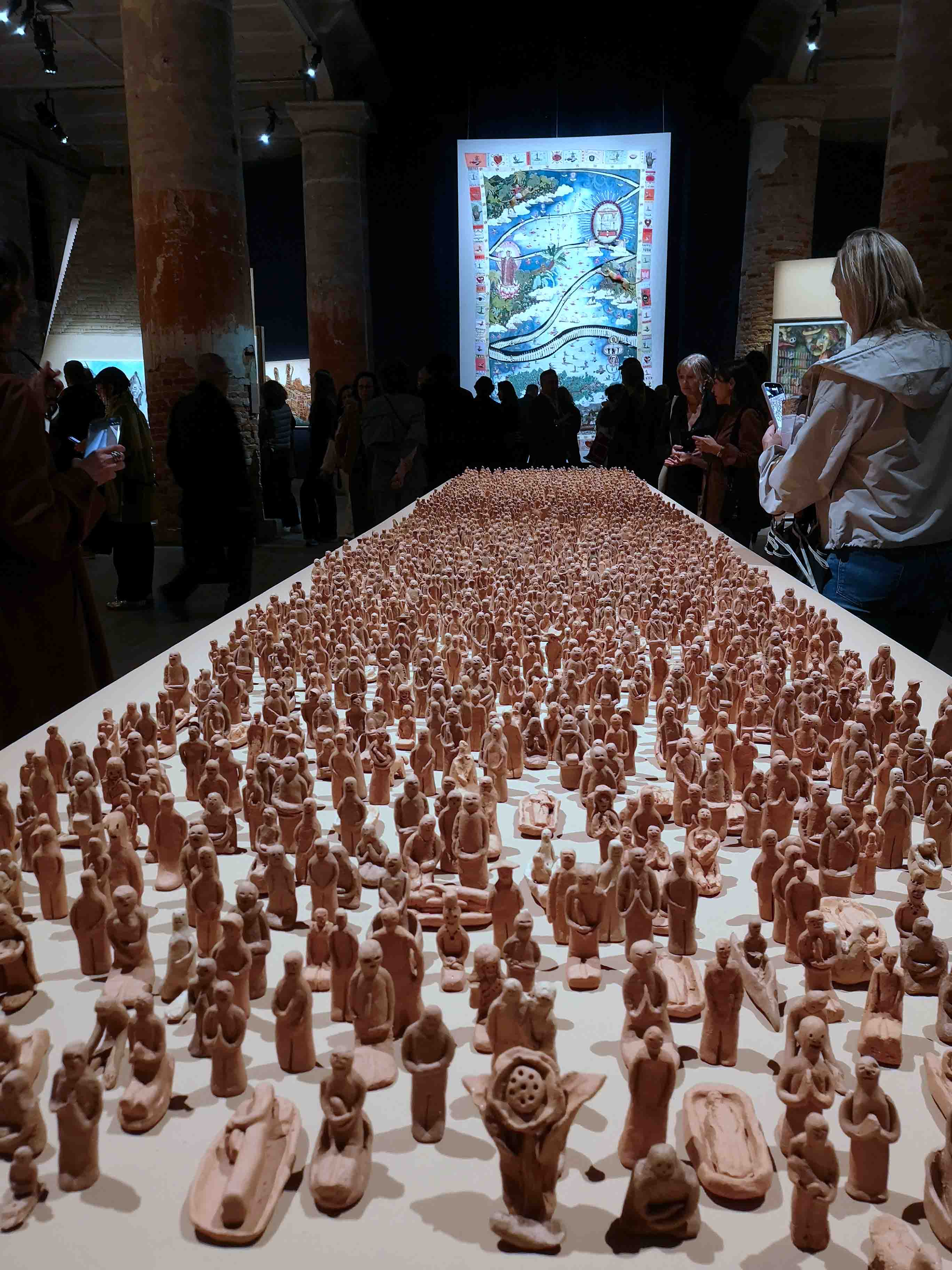
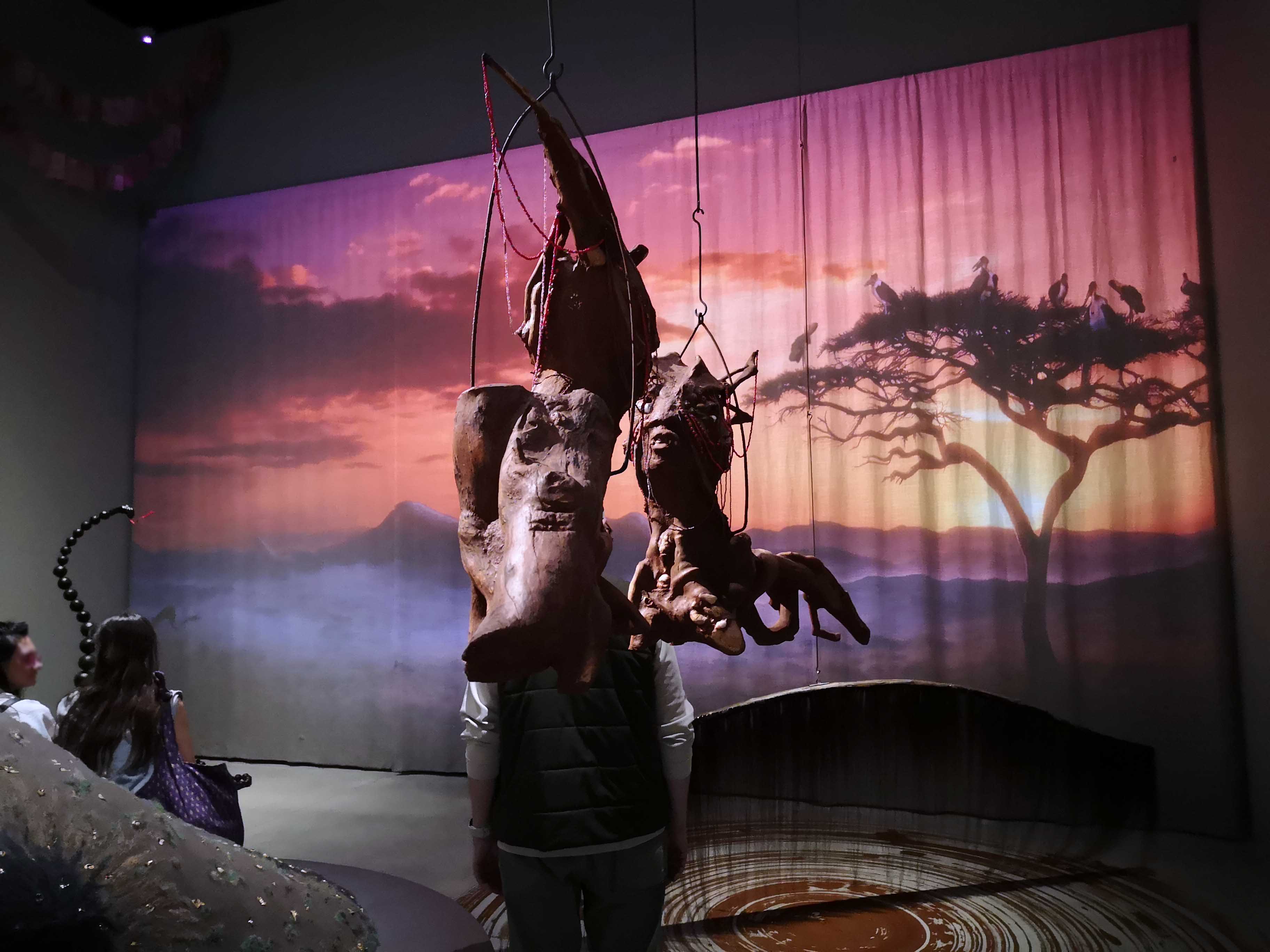
In the vast halls of the Arsenale, it is also recommended engaging all the senses while visiting. Here are monumental sculptures from various materials, talking about flight and displacement, but they could imply gods and other beings from otherworldly realms, too. Daniel Lind-Ramos assembles found objects, often gifted to him, to sculptures, which recall the history of maroonage. Maroonage refers to groups of people, predominantly of African origin, who succeeded to escape slavery in the European colonies of the Americas through flight or active resistance. They formed independent communities in which to live (Maroons). Ranti Bam’s five black stoneware vessels are guardian spirits, protecting and preserving. Hollow, they could bear ecosystems and allow the encounter between spirits and living people. However, even small figures can have a huge effect, when, as in Sawangwongse Yawnghwe’s “People’s Desire” a large number gathers. Here, 2400 miniature clay figures epitomize the exodus resulting from the genocidal Rohingya massacre.

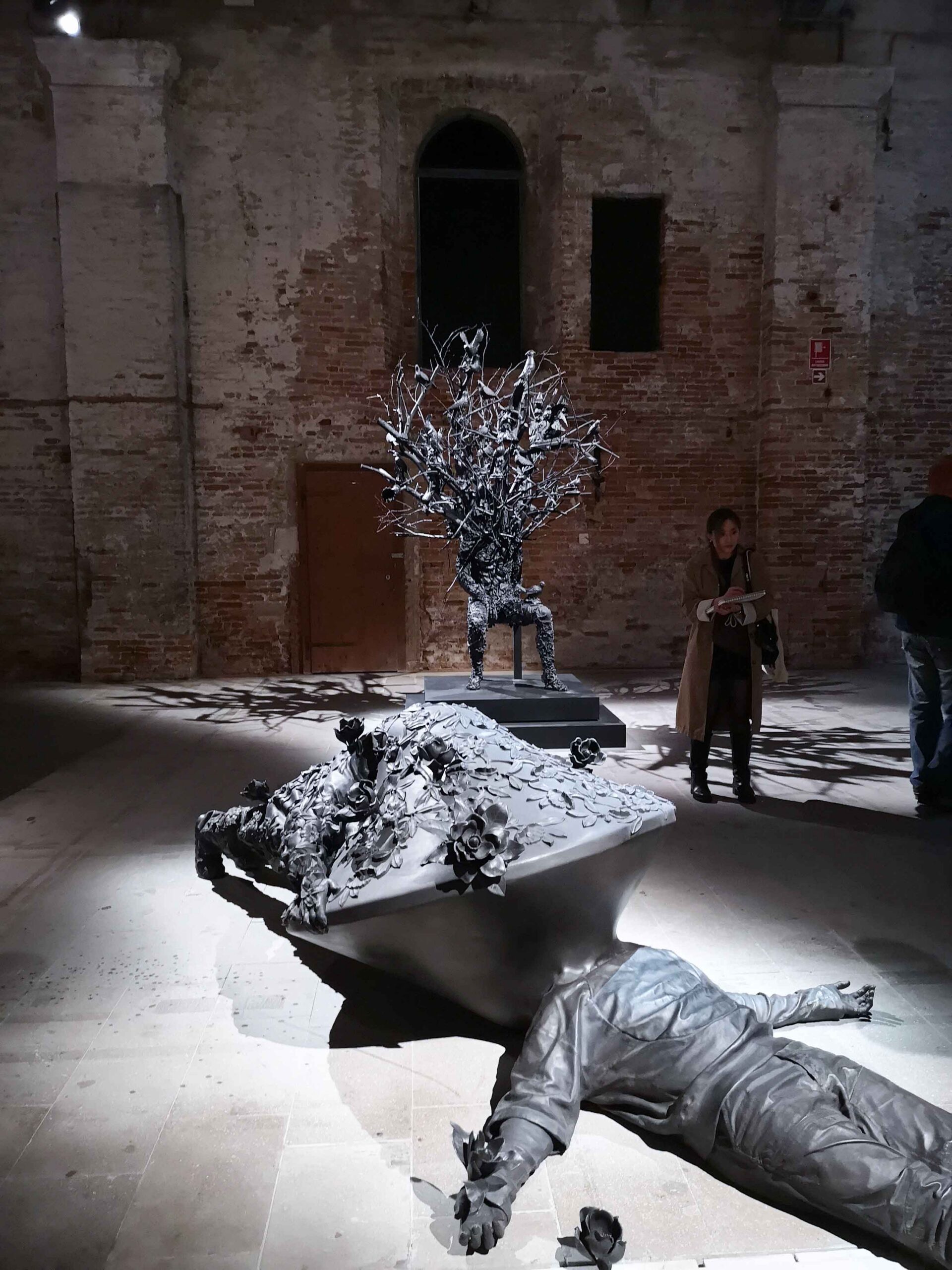 Nick Cave’s installation “Two Points in Time at Once” is both expansive and rich in detail. Two human bodies merge through a buoy-shaped head. A seated figure has a tree canopy inhabited by birds growing from its shoulders. The seven bronzes and mixed-media installation include vintage metal serving trays, flowers painted on household objects etc. alluding grief like mourning, but also rebirth. Thus, they refer to a metamorphosis, which might be possible after a period of fragility, vulnerability and trauma.
Natural Materials and Plants
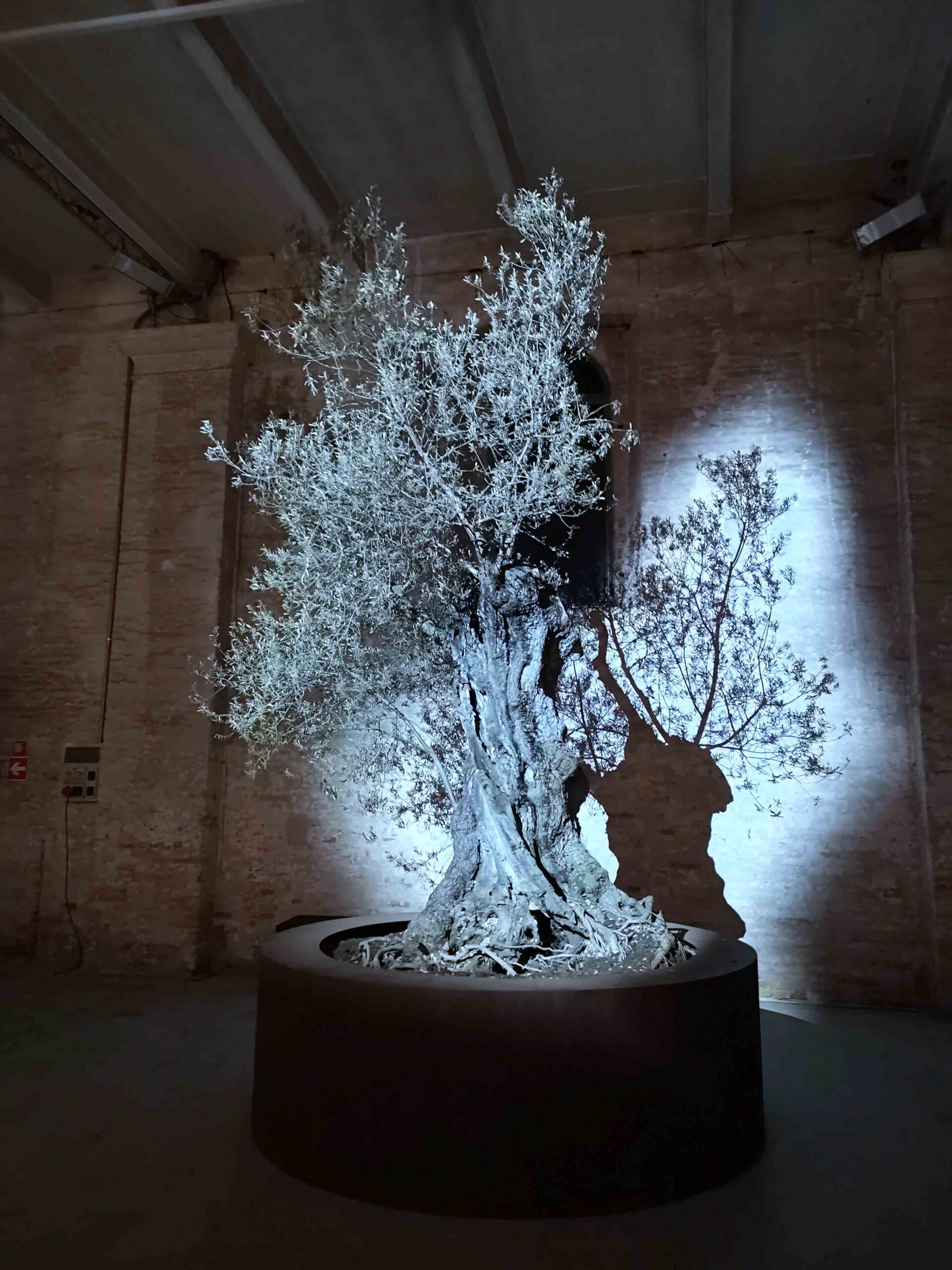 A real tree is presented by Theo Eshetu. For “Garden of the Broken-Hearted” he placed an olive tree on a rotating stage; a film is projected onto it. It is a video footage of the tree in his original environment; an allusion to its alienation from its homeland and a reference to the past. However, this long-living plant will resist the deprivation of water and sunlight during its exhibition in Venice, an indication to the future. For the artist, “The tree, as a symbol of unity in Abrahamic faiths, is here as a voice to ask if we can return to a spirituality with principles of unity by putting aside the narratives which are separating us” as he states on his website.(3) This appears like a call to the peoples of the Middle East.
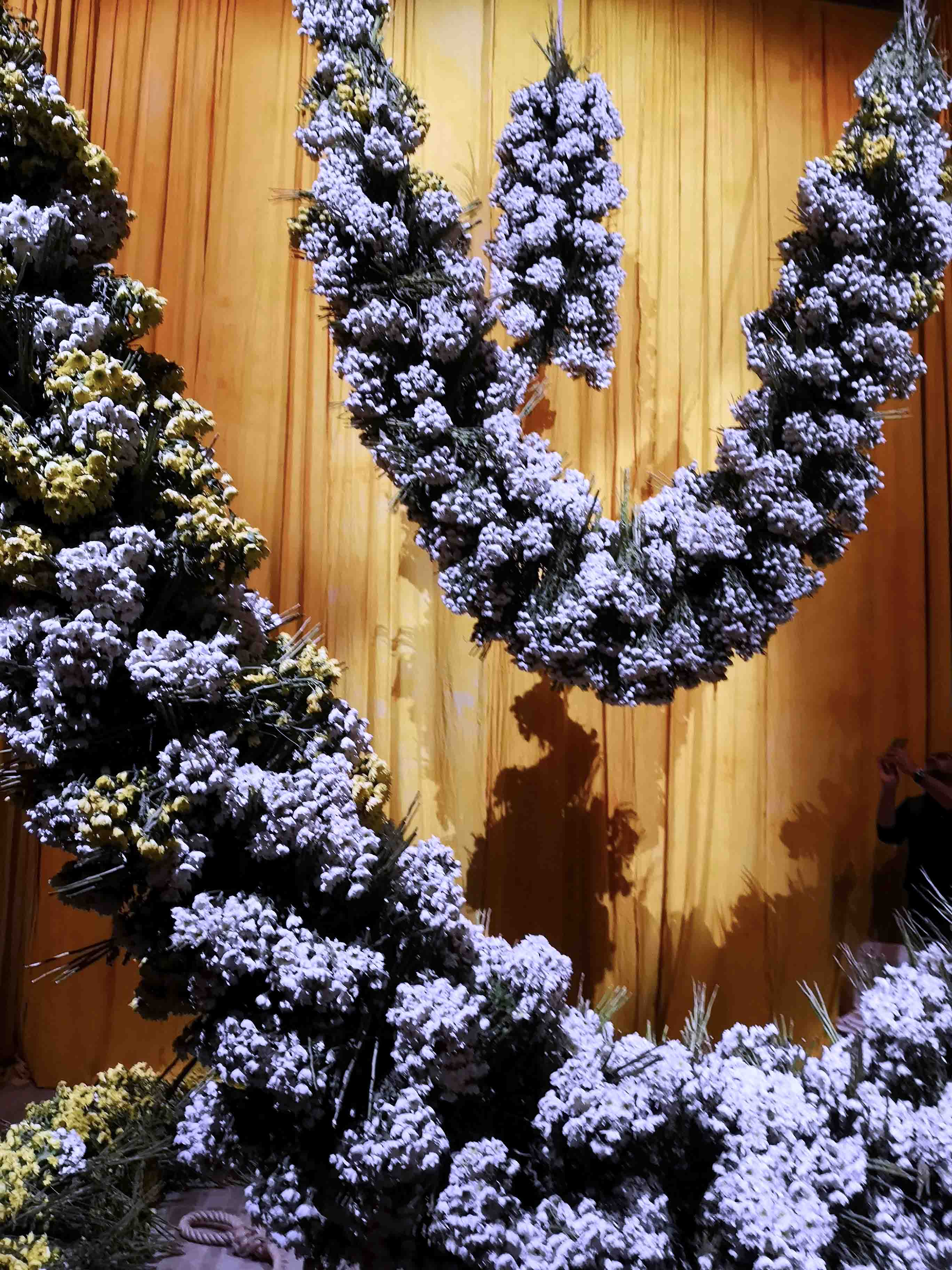
There are more works that incorporate natural materials, particularly plants. In these works, transience and the olfactory aspects play a role. Joana Hadjithomas and Khalil Joreige’s body of works comprises archaeological and geological core samples. “Ephemeral temple for decaying beings” by Dan Lie consists of a room filled with floral garlands, which are wilting over the course of the exhibition, gradually revealing the fabric and ropes that hold them in place. Kader Attia’s multimedia installation “Whisper of Traces” transforms the space into something resembling a jungle. Ropes studded with mirror fragments hang from the ceiling. In between them, are wire mesh boxes filled with dried herbs, naturally releasing their scents. Together with the video projections on the walls, the installation explores the question of whether computer viruses might be ghosts. If that would be the case, it could change our relationship with digital technology.

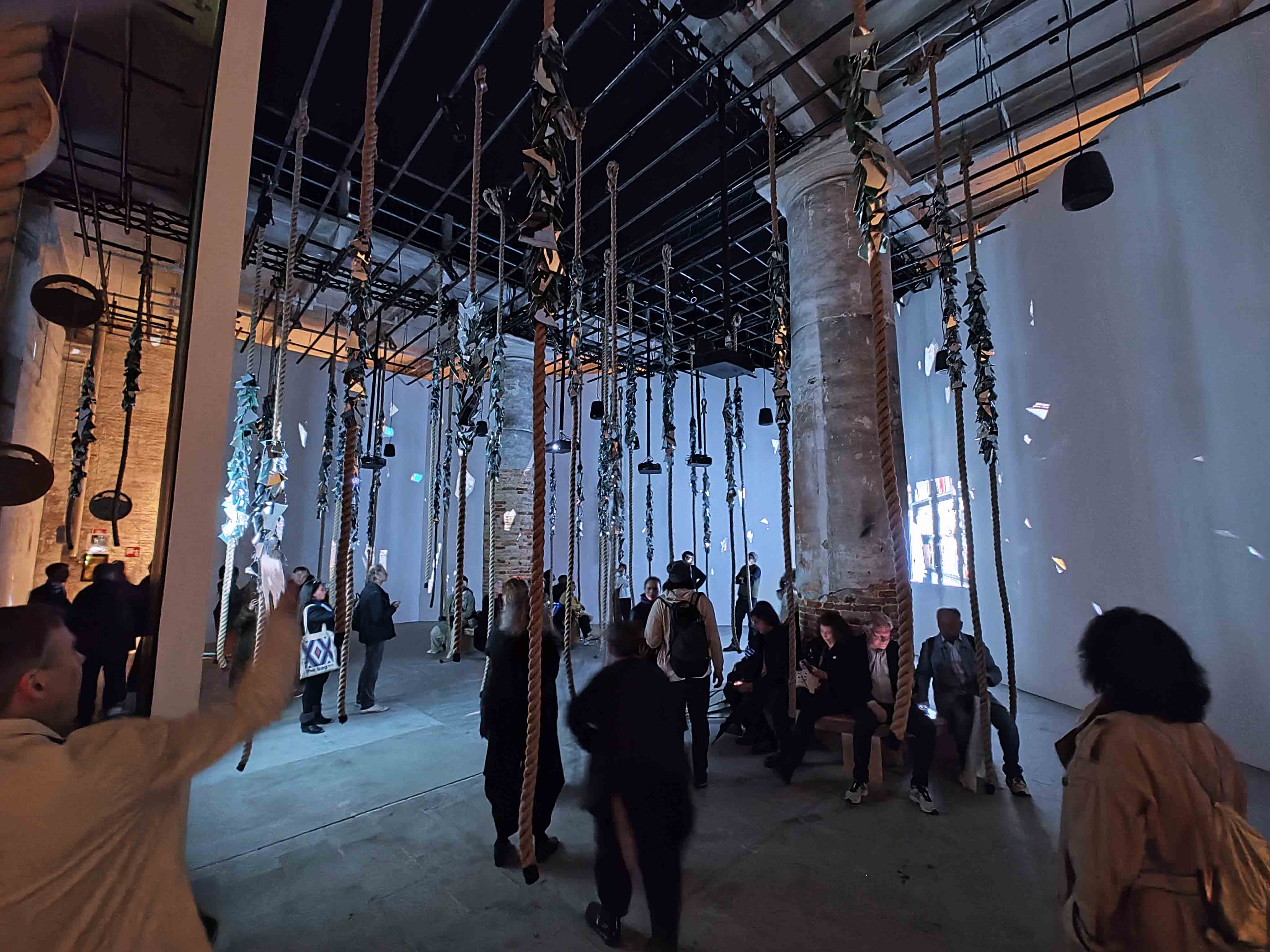
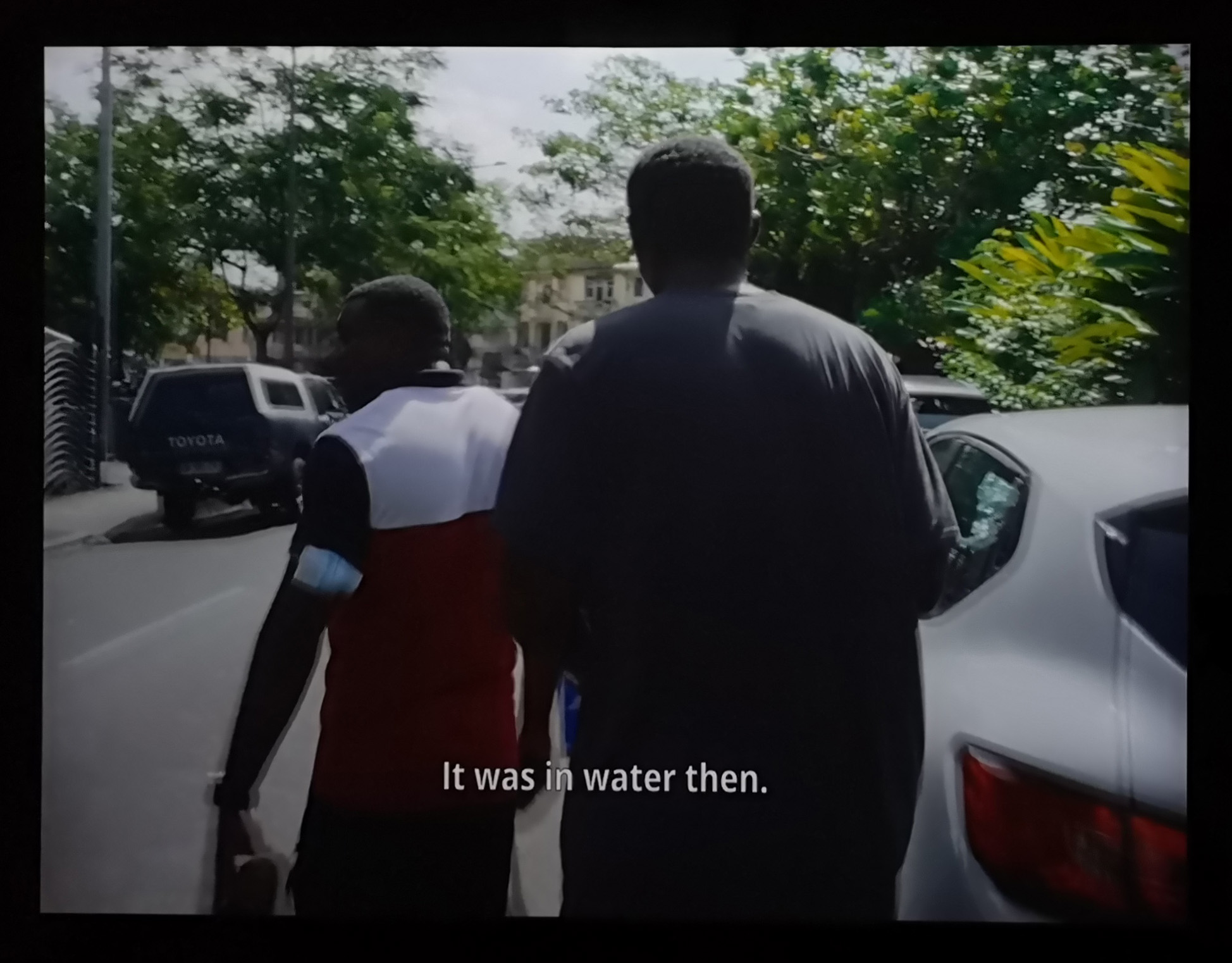 Although the numerous videos and video installations are inherently technology-based, some of them also explore nature and its impact on societies. Florence Lazar’s film “It’s All Thanks to Bad Weather” recounts that the Hurricane Dean (2007) revealed on Martinique a necropolis of Amerindians and enslaved Black people. Under a French law, these remains are classified as mobilier archéologique – archaeological artifacts and with that national property. Citizens are now demanding the return of these human remains to sacred land.
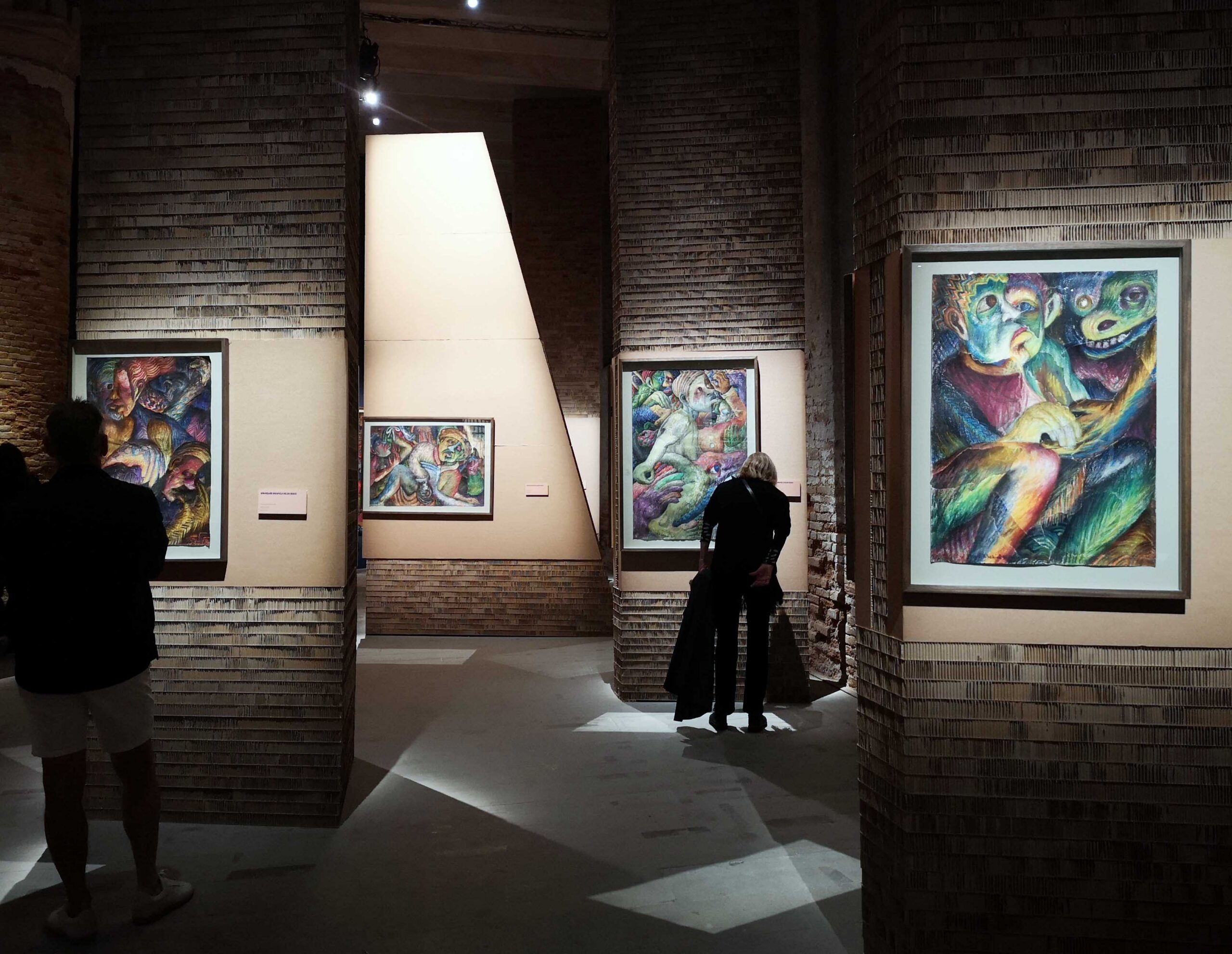 Besides these moving images, there are also two-dimensional artworks. “Ntlo E Etsamayang/The Walking House” by Mmakgabo Mmapula Helen Sebidi is a series of colourful pastel-on-paper collages. By the title the artist refers to a watchword of her grandmother, which describes the “walking house” as a carrying shelter of memory, and ethical capacity while moving into the world. The paintings depict intertwined human and animal bodies, often with striking eyes. They have titles like “Where We come From”, “The Meeting of Different Realms” or “Accepting Conflict”. They seem to represent a narrative of a balanced life.
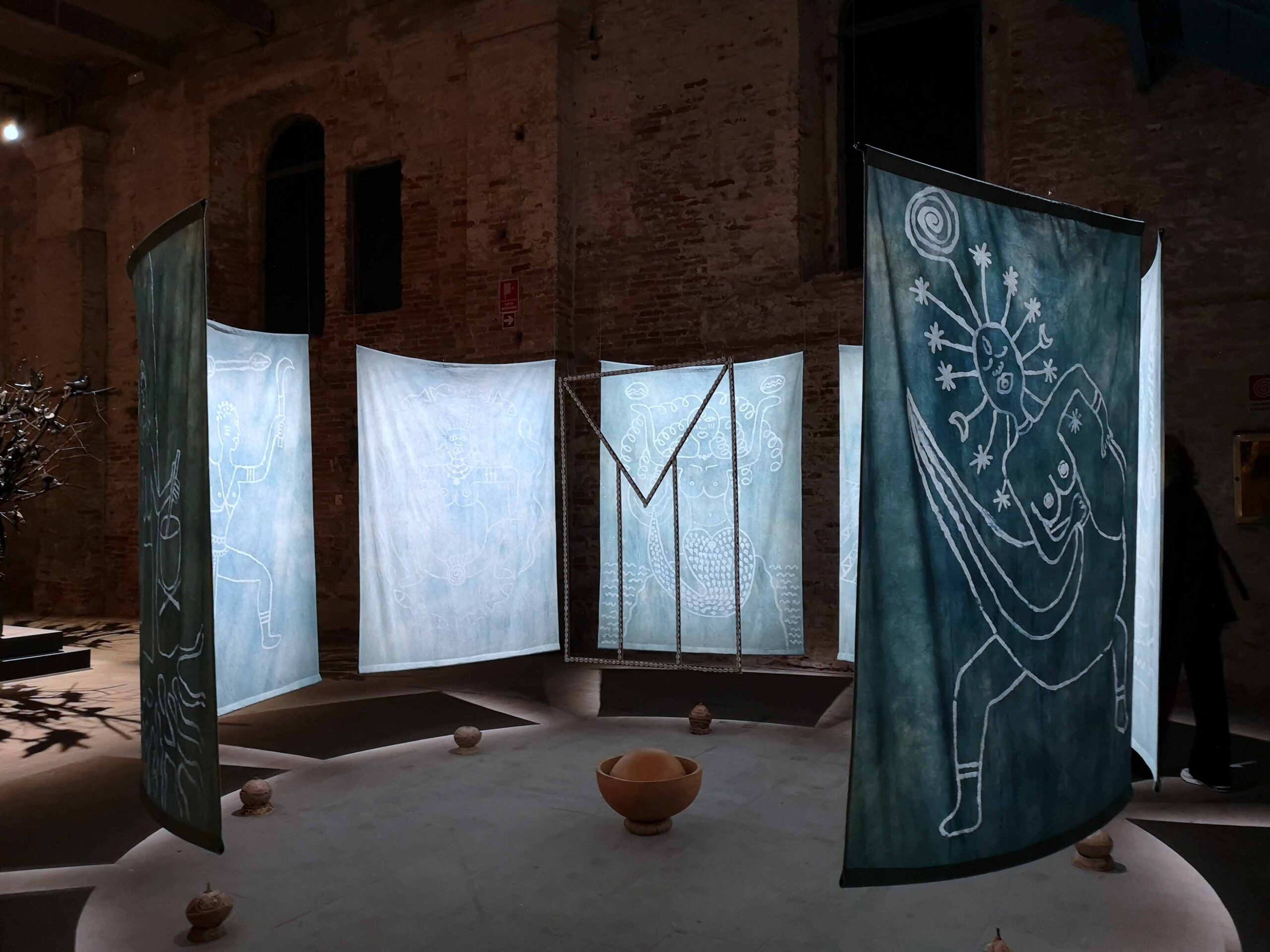 Harmony is also a central theme in Tabita Rezaire’s work. After having critiqued colonial white capitalist hetero patriarchy in her previous works, she designs in her series “Omo Elu & Yemaya”, the practice of mothering the world. Seven indigo-dyed cotton panels, show Yemaya, the Yoruba ocean goddess to which the artist feels connected, as mother, as healer, as creator, as dancer, etc.
Time to rest
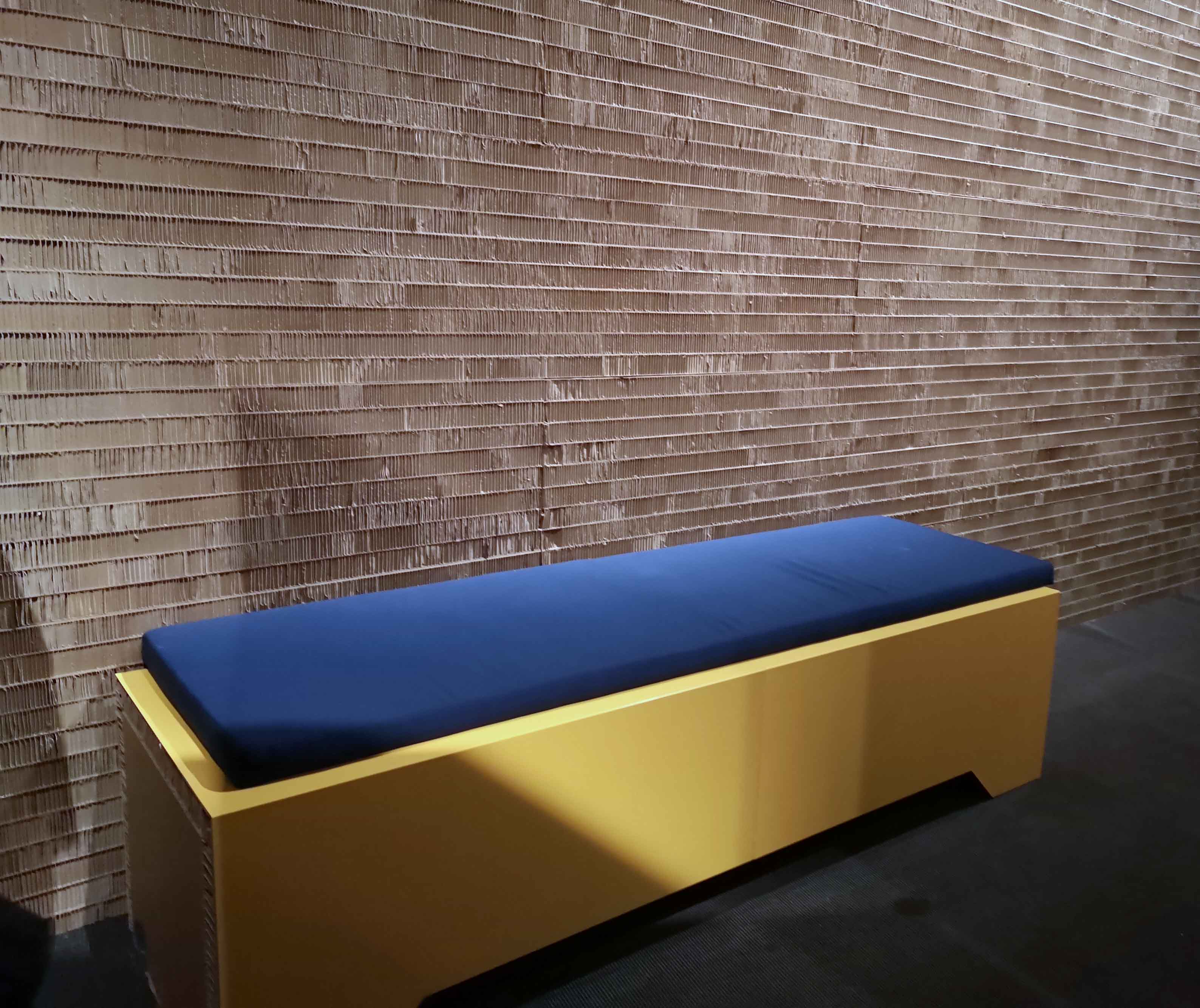
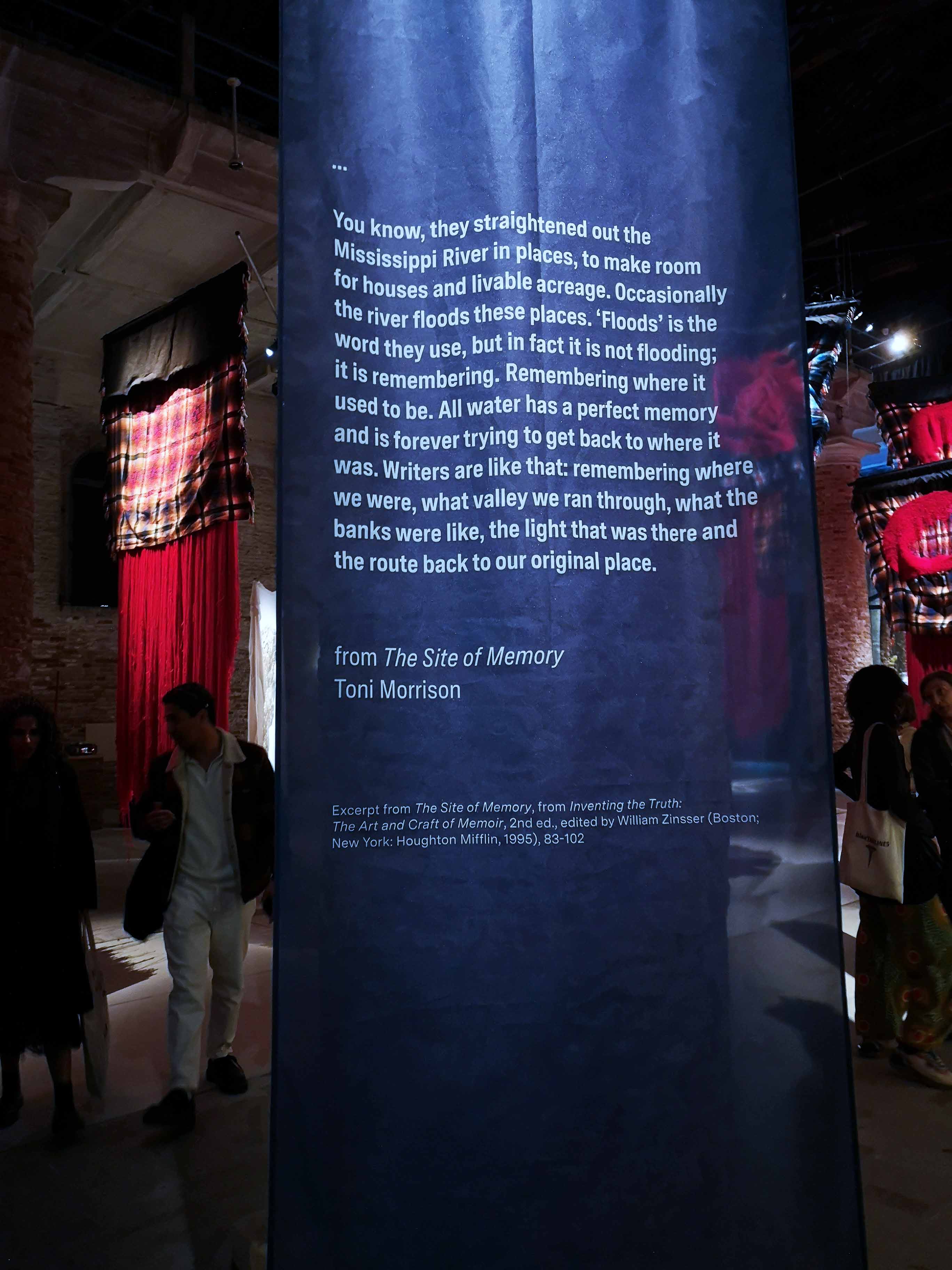
Here and there, you’ll find benches or seating areas that invite you to stop and rest. However, one of them also serves an artistic purpose. For “Smell of My Father” Carsten Höller collected chemical compounds from his father’s clothing. Reconstructed they are emitted by a simple yellow bench with blue upholstery. While resting on this bench, visitors are imperceptibly enveloped by the scents and might carry them on through the exhibition. Also Sandra Knecht’s “Bee House” which she removed from her garden in Entlebuch, Switzerland invites to stay a while. Moreover, the exhibition features numerous texts and poems that encourage visitors to stop, read, reflect and to have a break amidst the many visual, auditory, and olfactory impressions. For example, there is a quote from “The Unknown Hour” Brexit and Our Time by Ben Oki, one from “Surge” by Etal Adnan and another one from “The Site of Memory” by Toni Morrison.


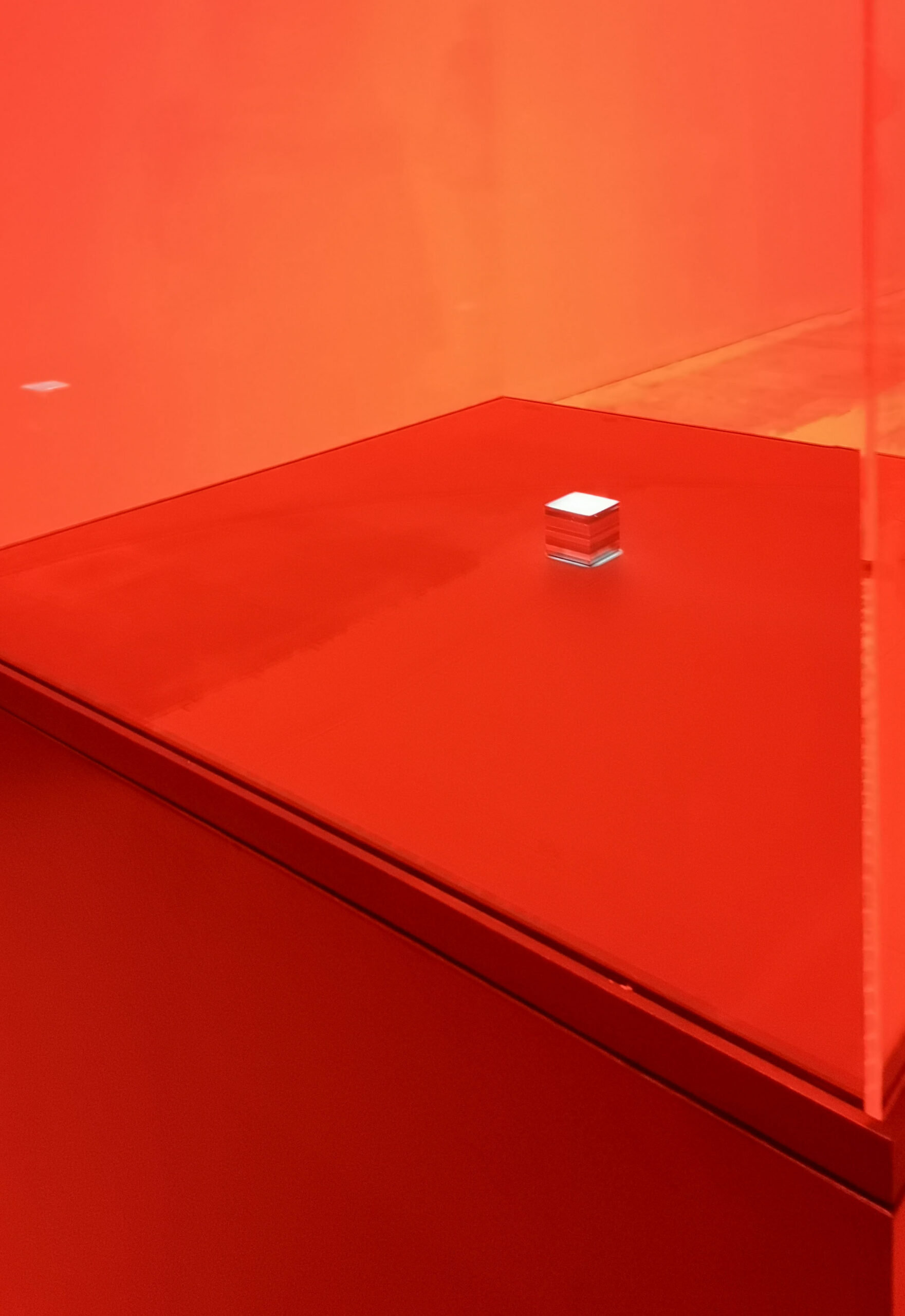 Towards the end of the Arsenale exhibition, there is a long room bathed in red light. First, the garish colour might shriek a little bit in the head. A metallic taste could fill your mouth. It takes a while to get used to it, especially as the exhibition had previously been set in much calmer tones. Right at the end, Alfredo Jaar’s work “The End of the World” is presented relic-like in a glass cube. It is a four-centimetre-square cube, pressed from cobalt, rare earths, copper, tin, nickel, lithium, manganese, coltan, germanium and platinum. The text next to the entrance explains the origin, background and significance of the fabrics. Often extracted under precarious conditions, these ten metals are essential for current technologies: they are needed for the green transition of our societies to limit the climate change and as well for production of war machines. Since they are so important, they are currently the most critical minerals. Thus, they are the source of trade disputes and armed conflicts. RED alert!
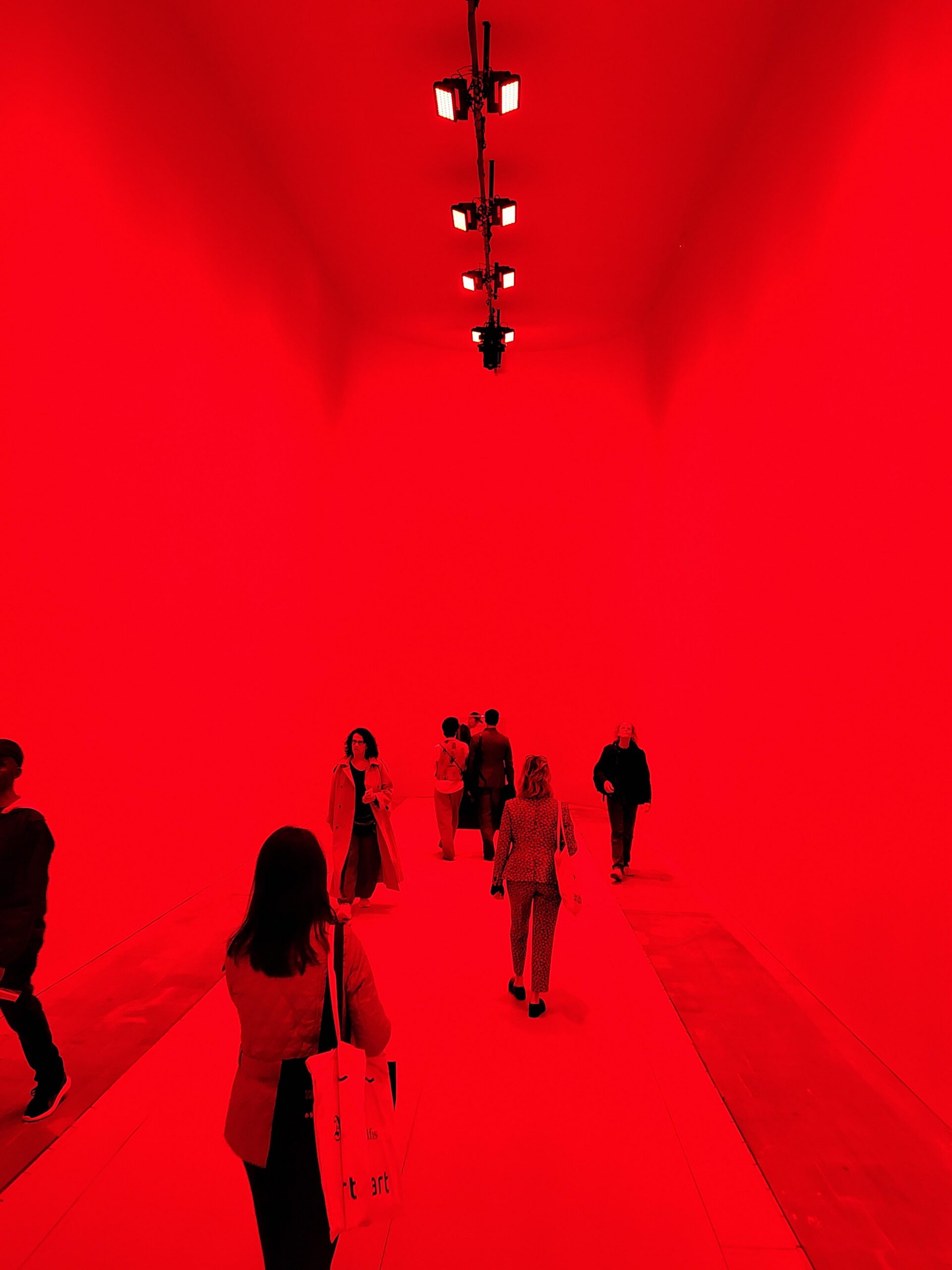 Although this work has an unsettling effect, the installation is conceived somewhat like a Gothic cathedral: visitors enter like pilgrims to make their way to a reliquary and thus reach the destination of their journey. However, “In Minor Keys” continues a little bit and obviously, there are many more interesting works. Additionally, there is also the other section of the main exhibition in the Central Pavilion of the Giardini. Maybe, this part is less relaxing, perhaps because the rooms are smaller and the National Pavilions beckon all around. Nevertheless, it is well worth a visit.
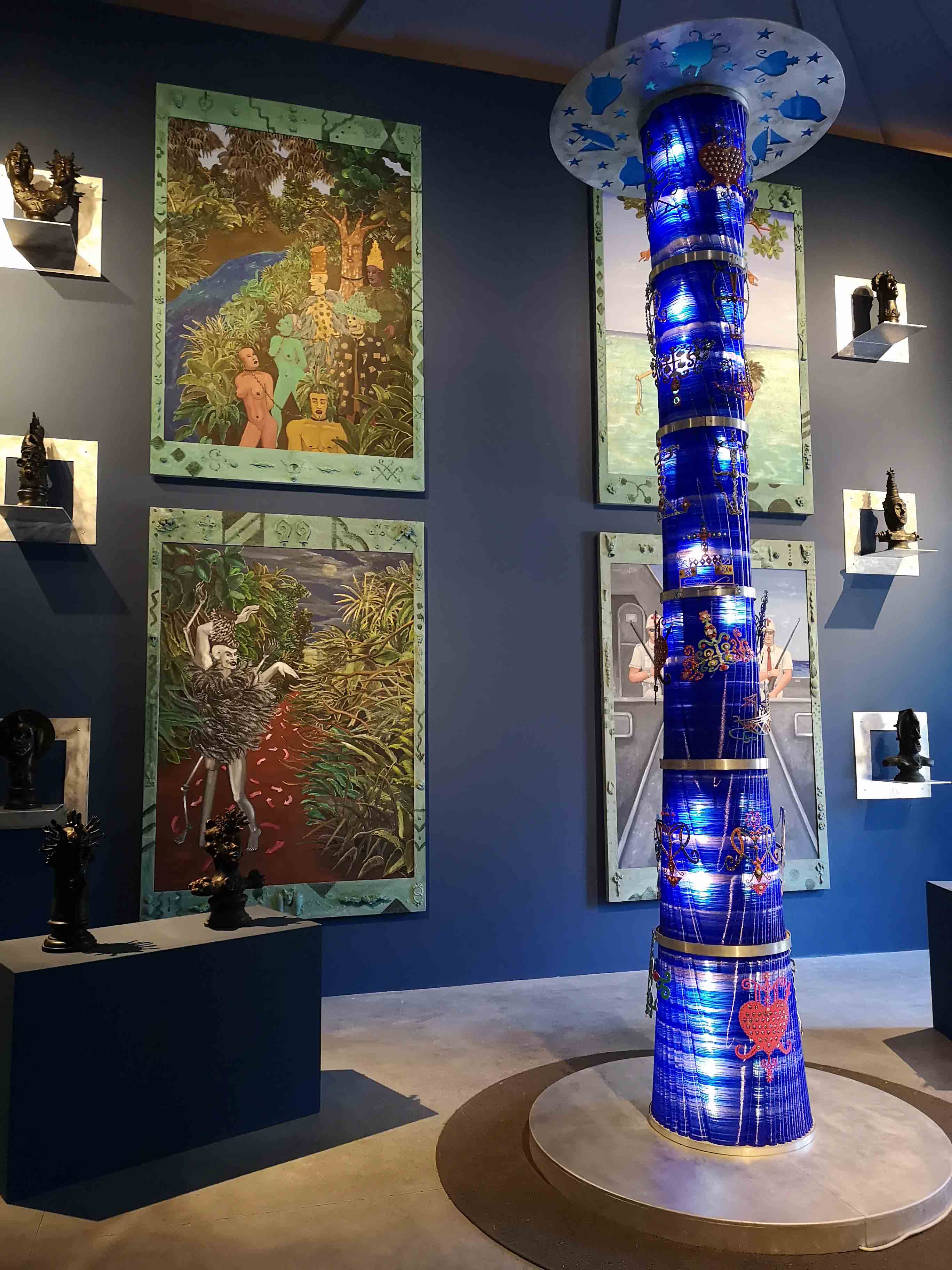
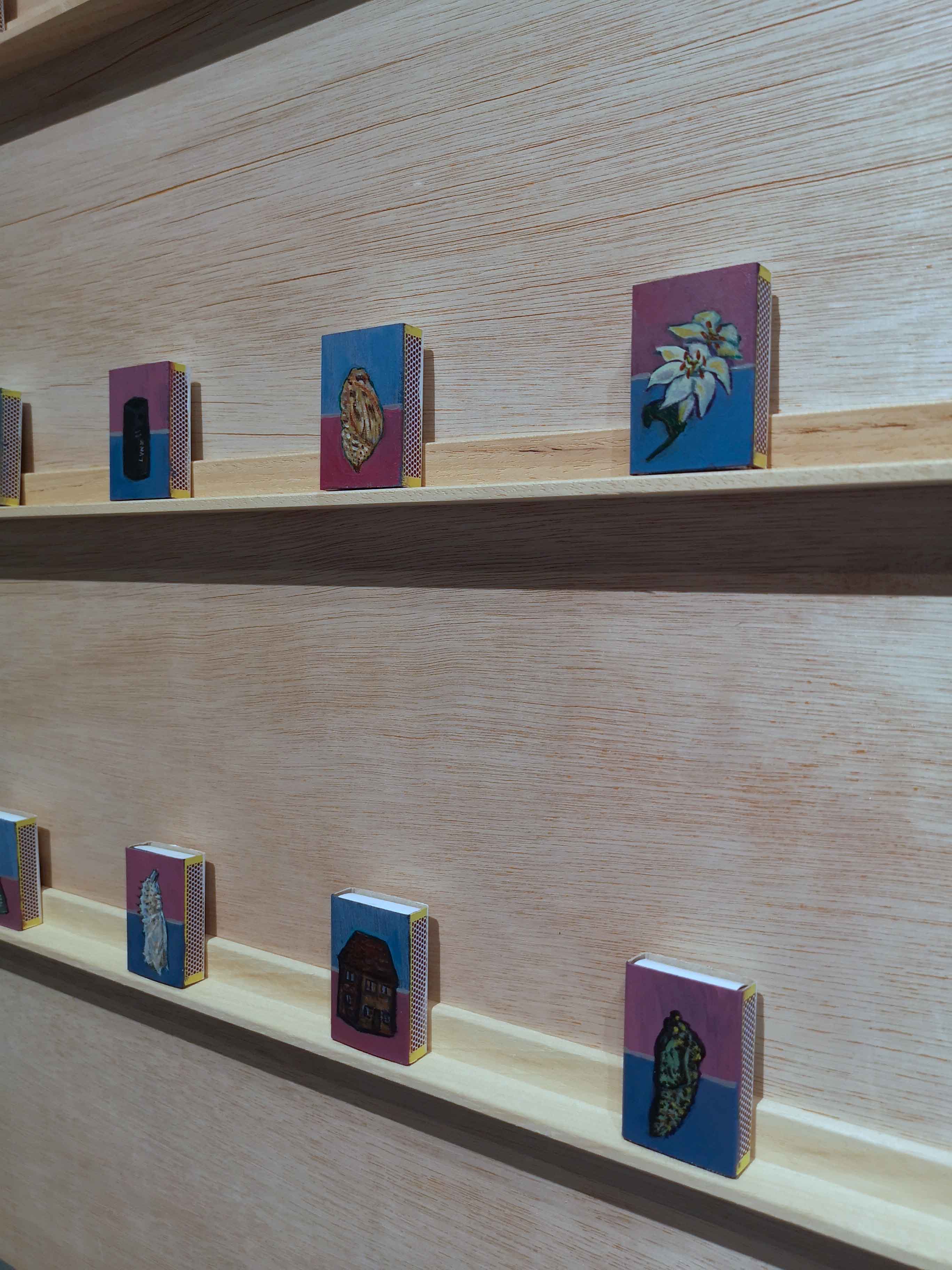
Some more impressions from the Arsenale
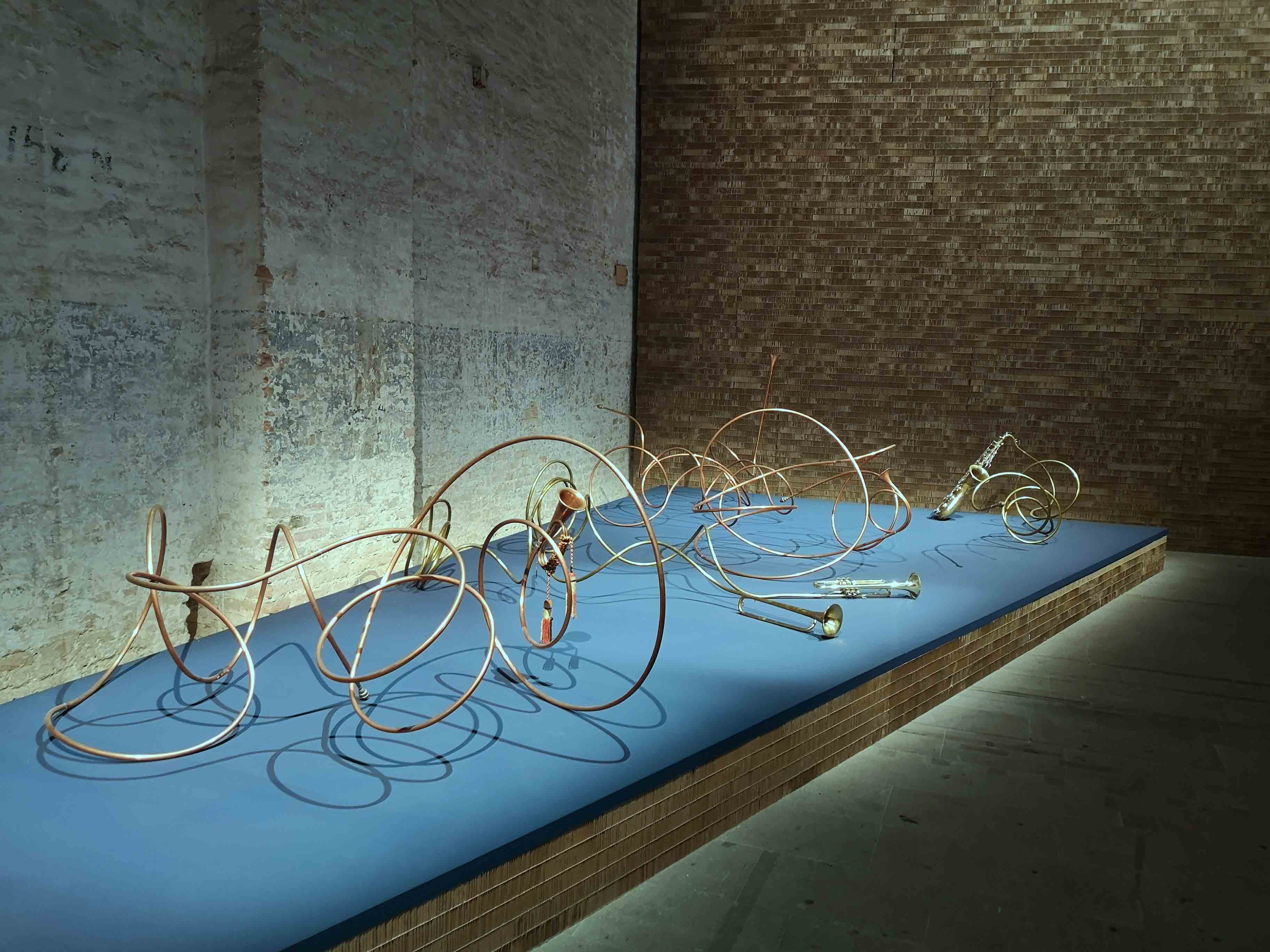
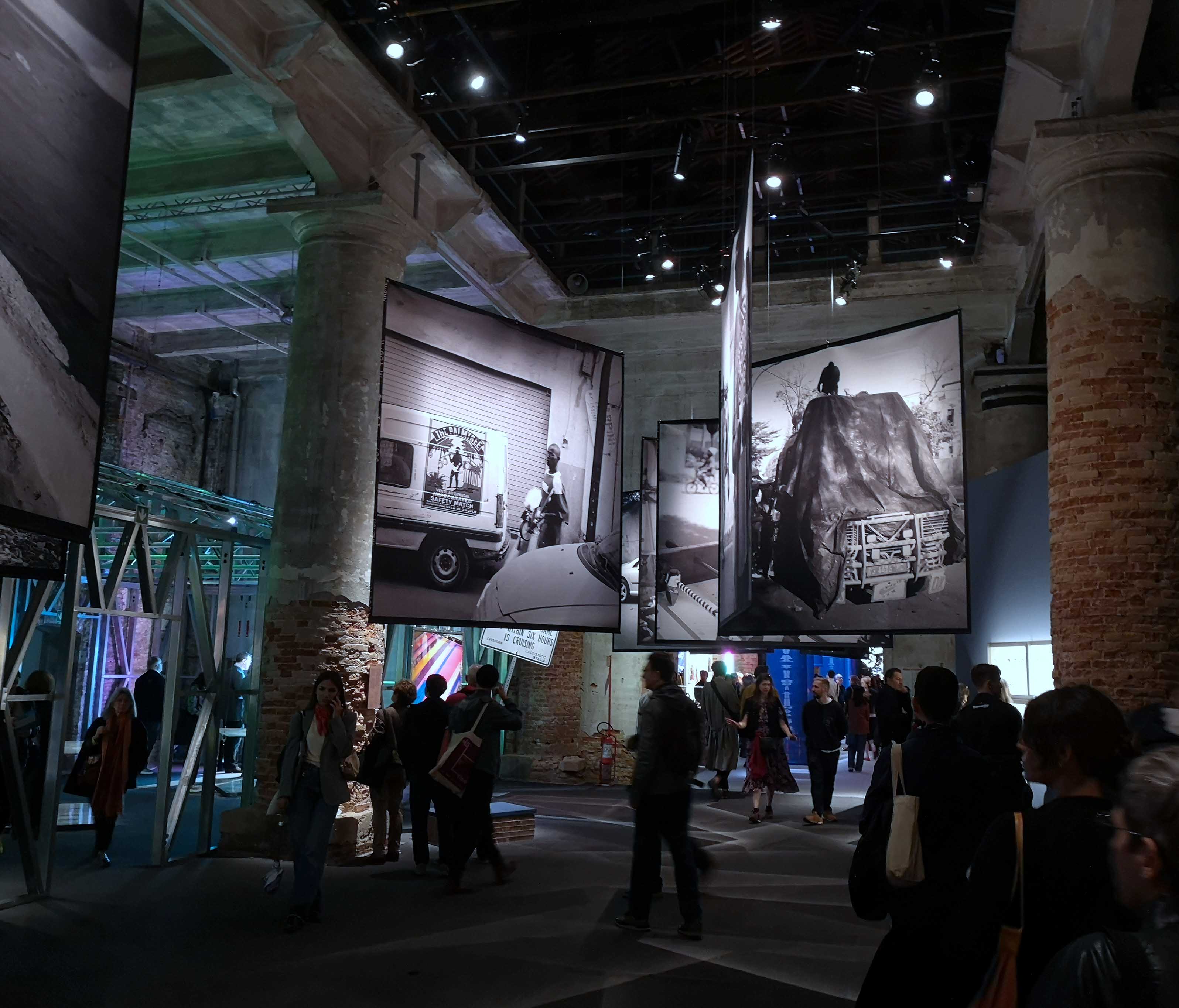


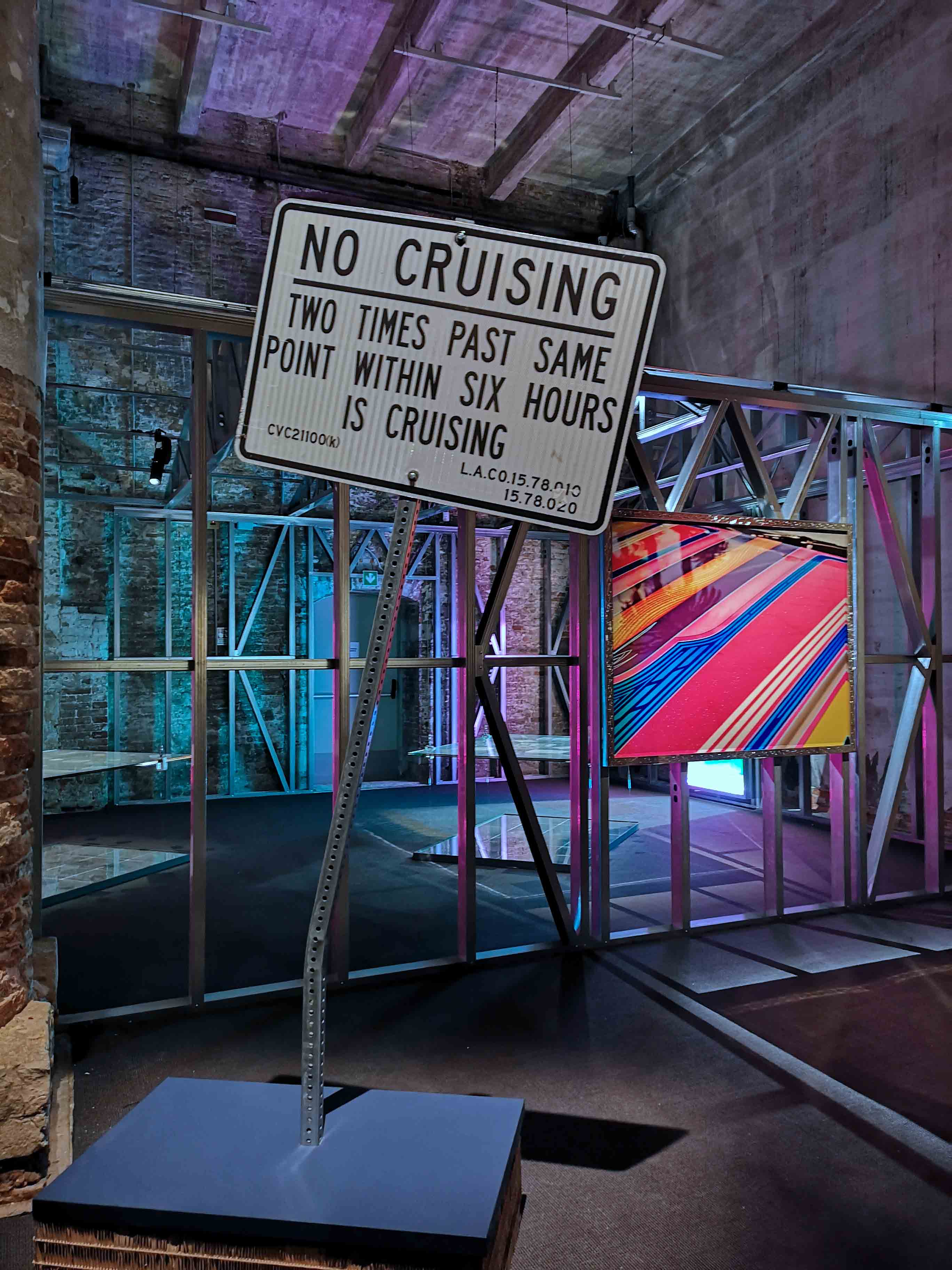
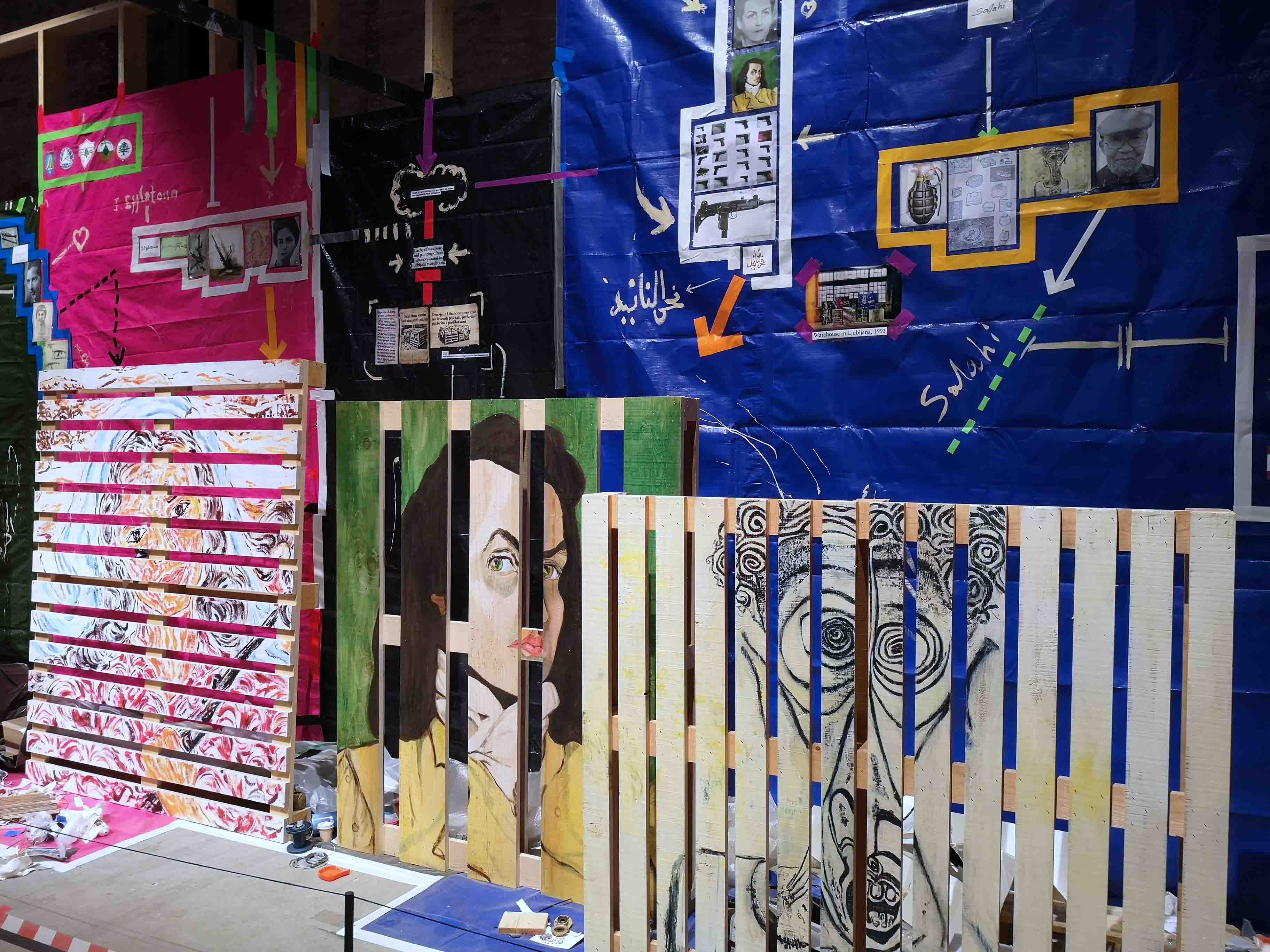
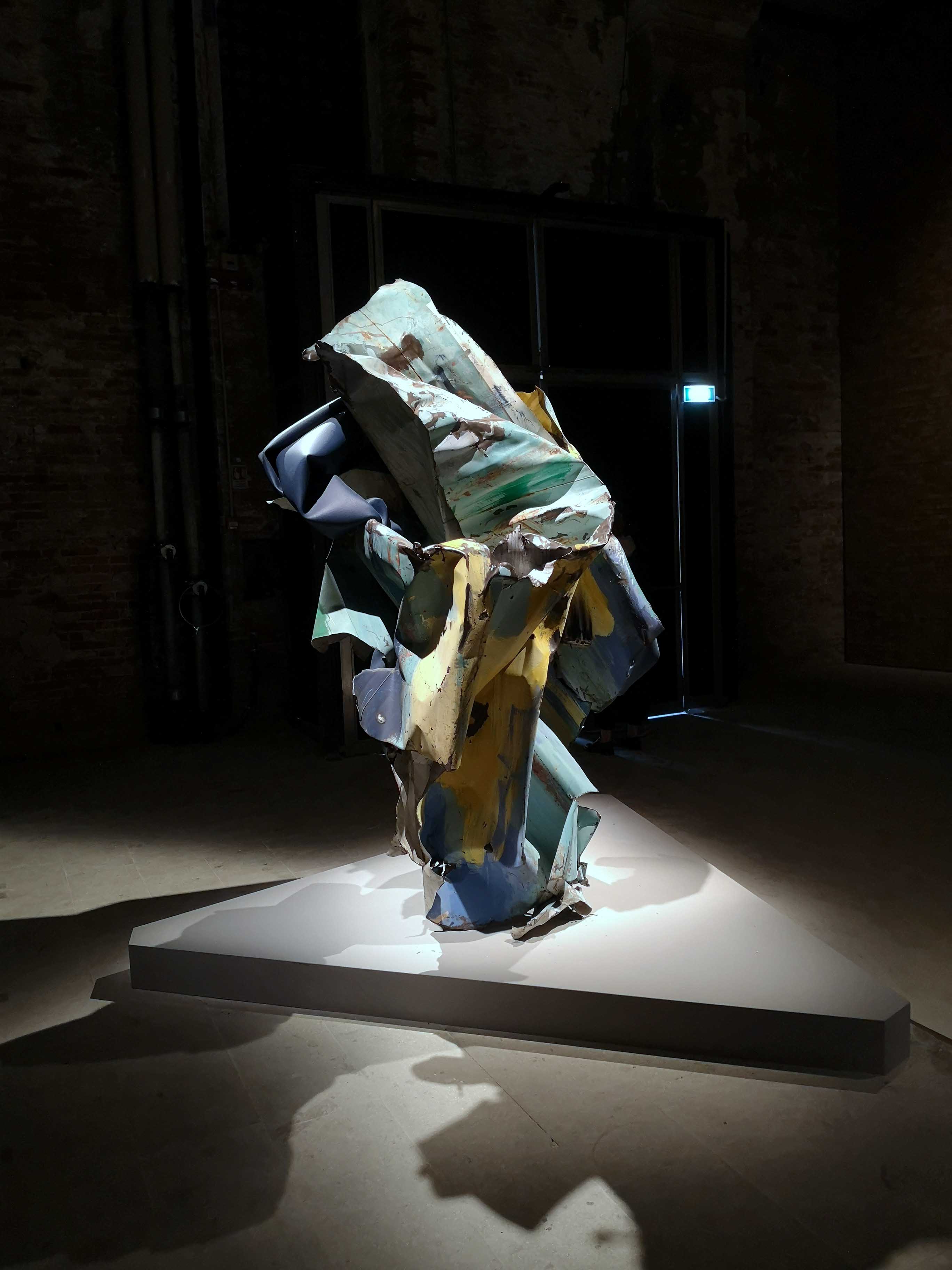


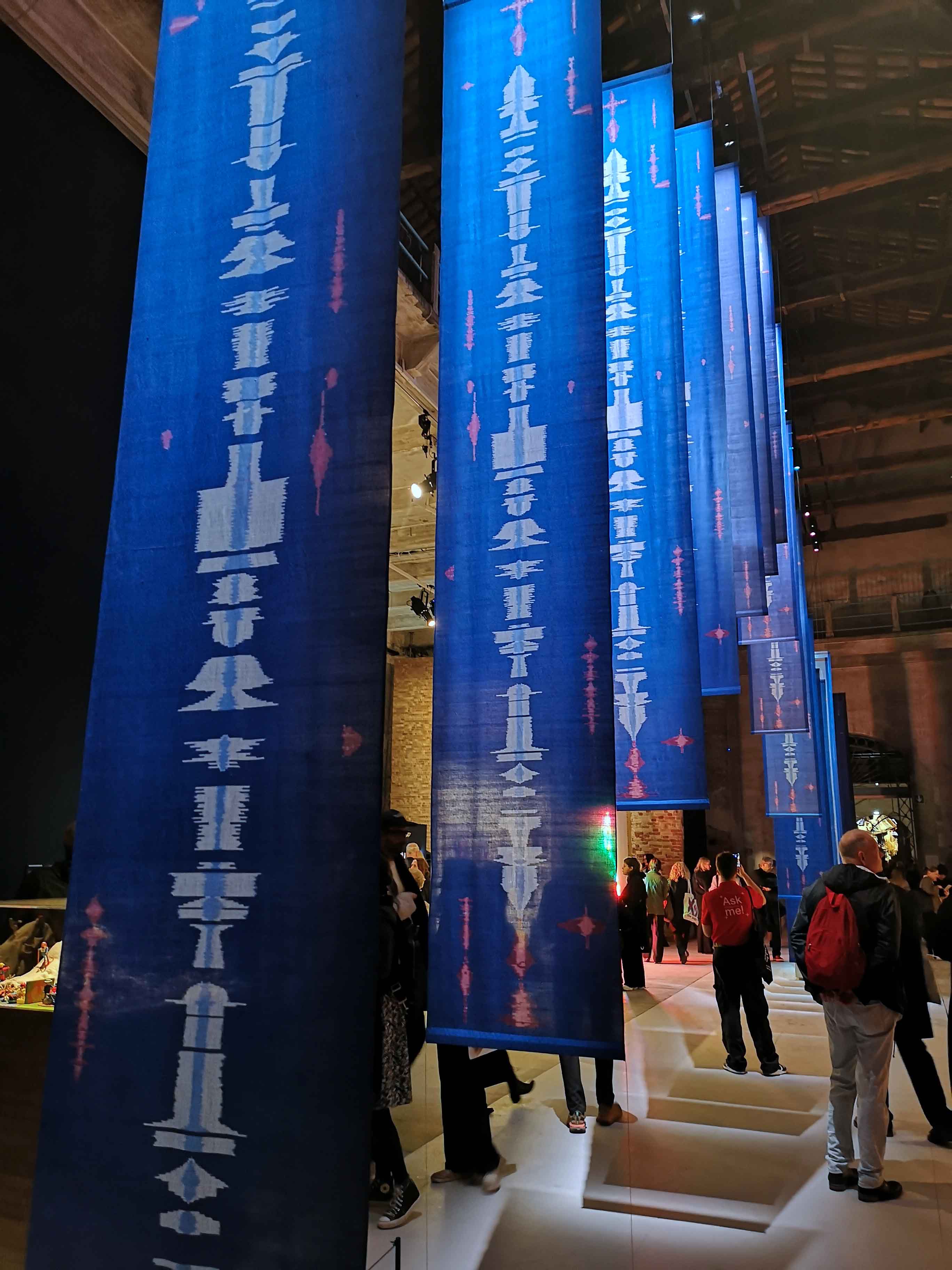
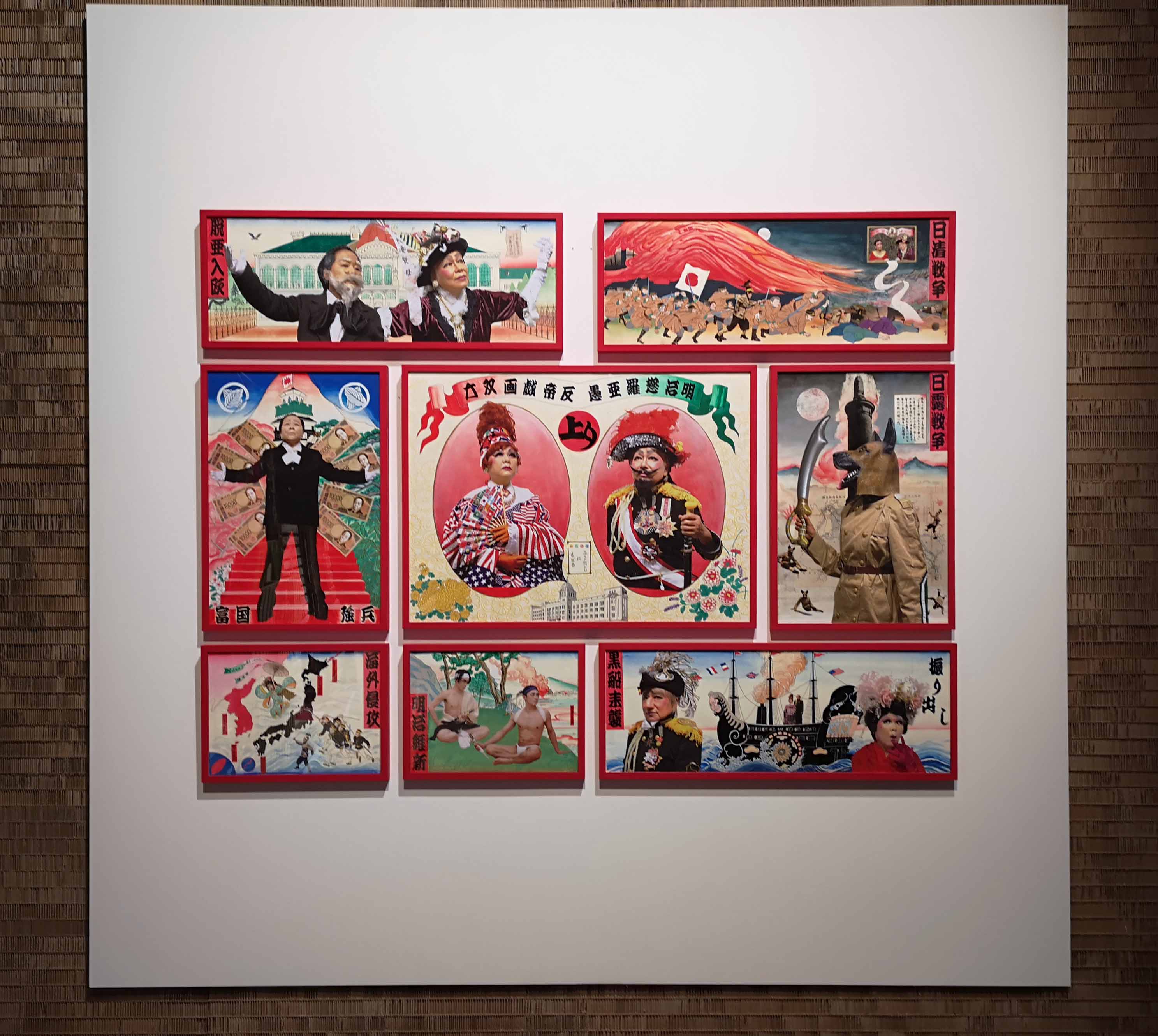
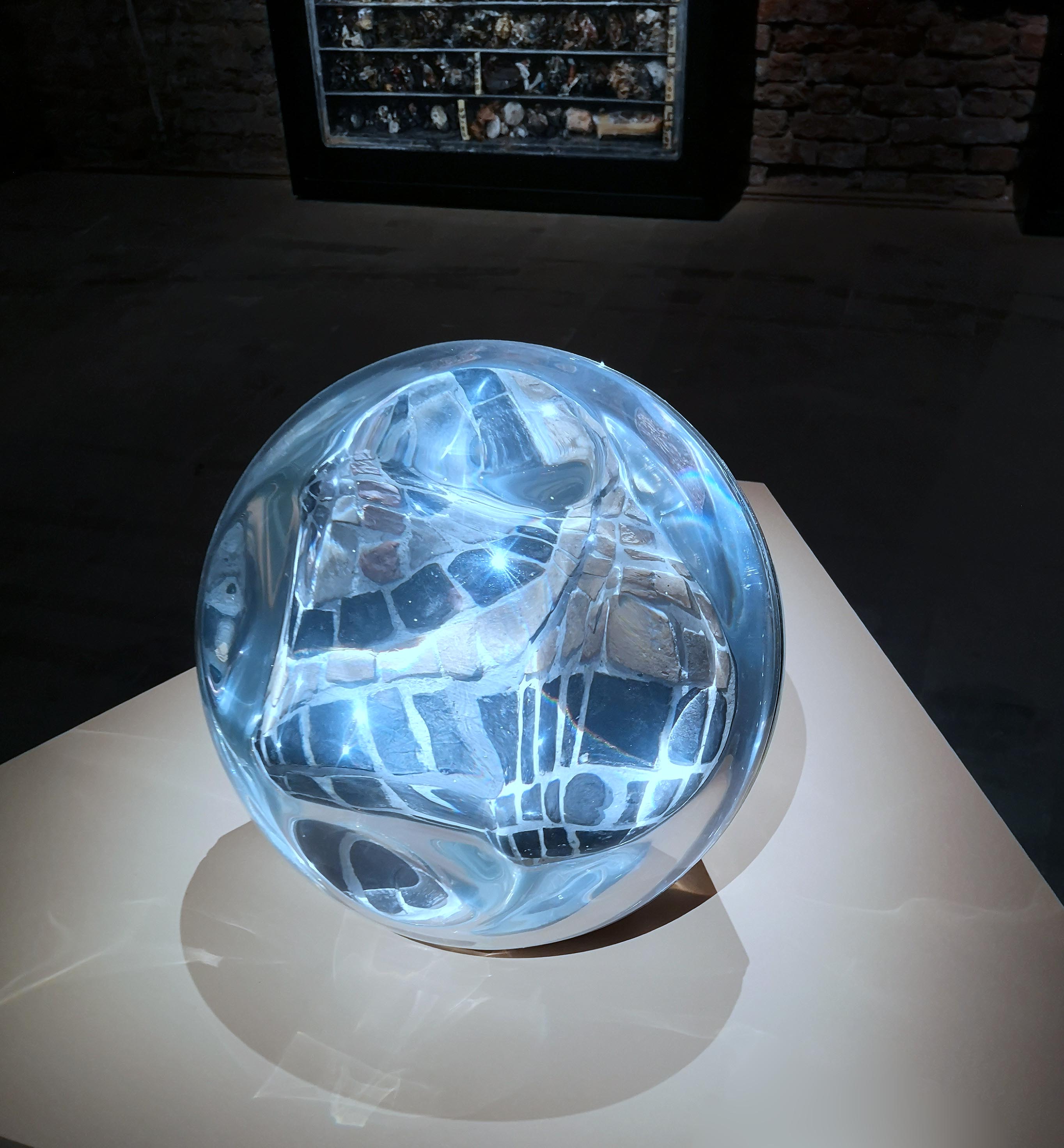
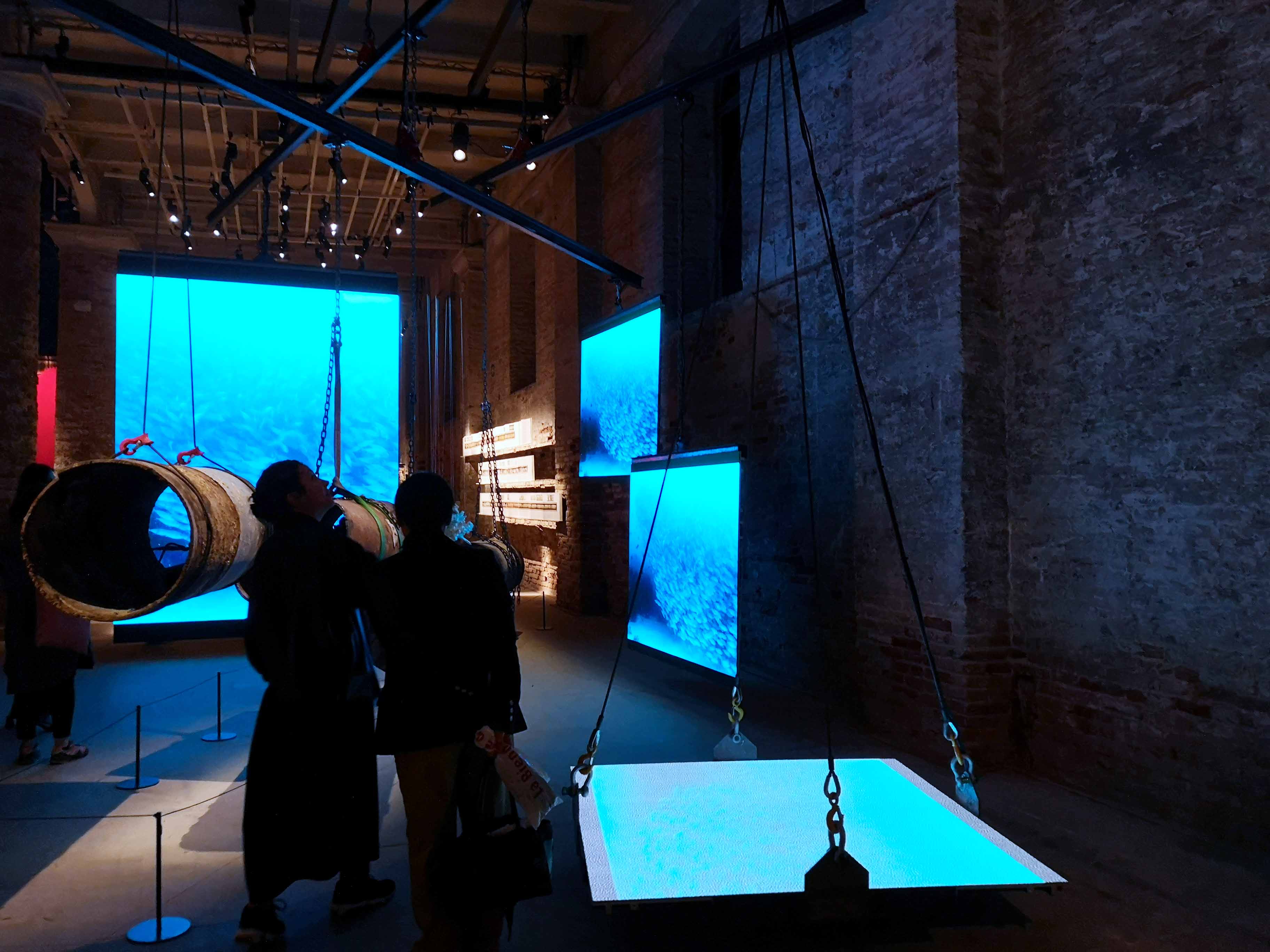

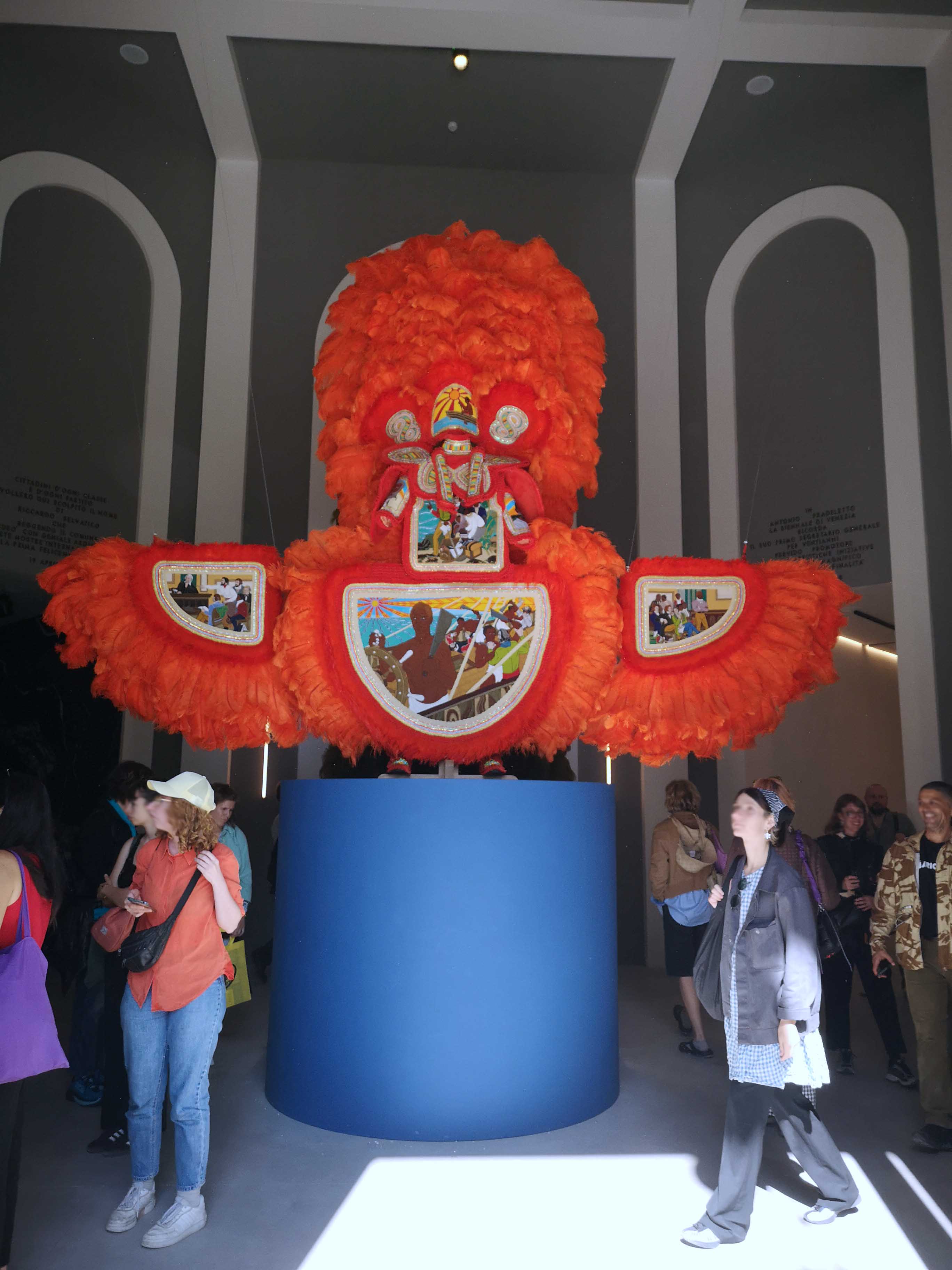
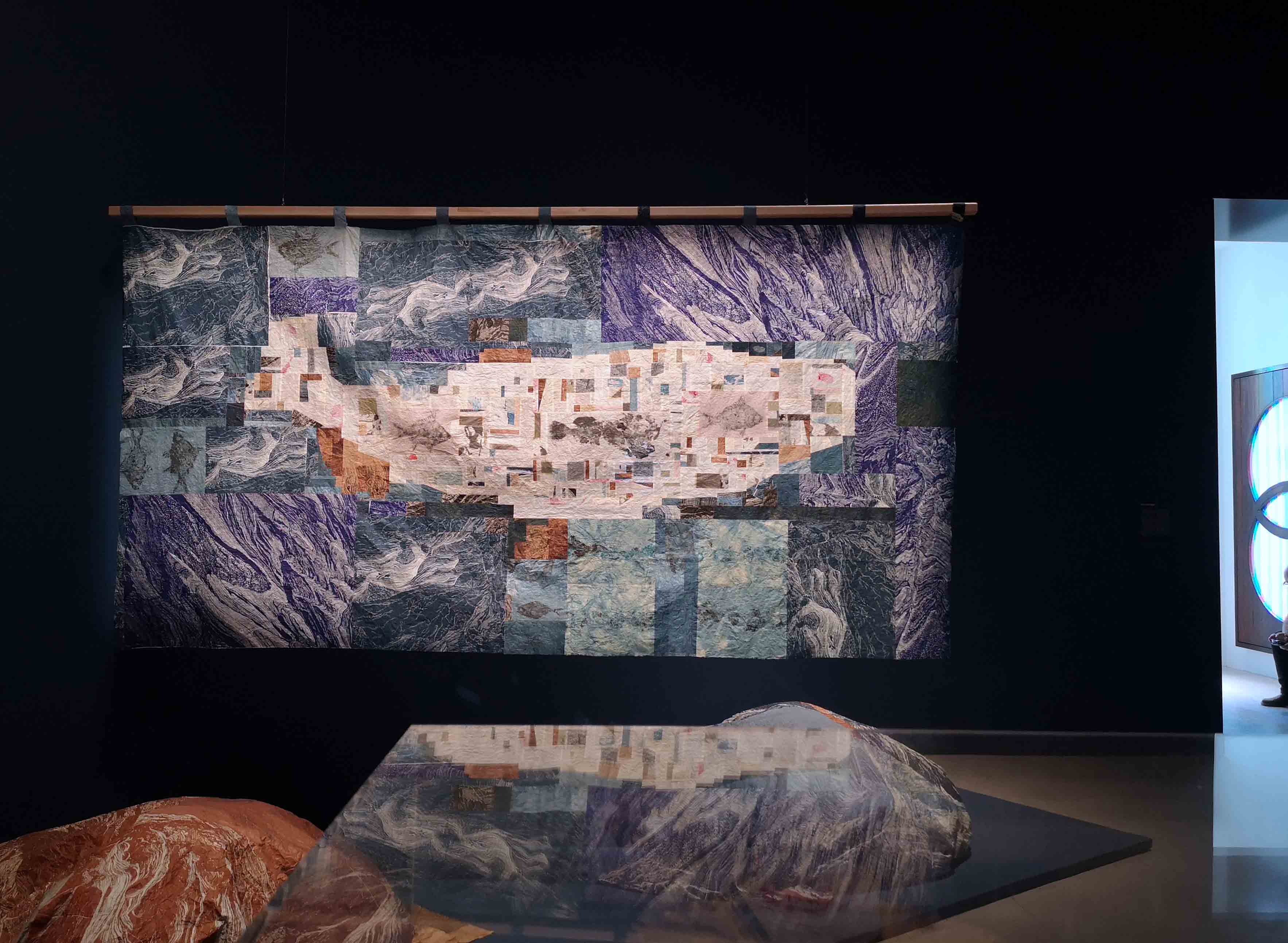
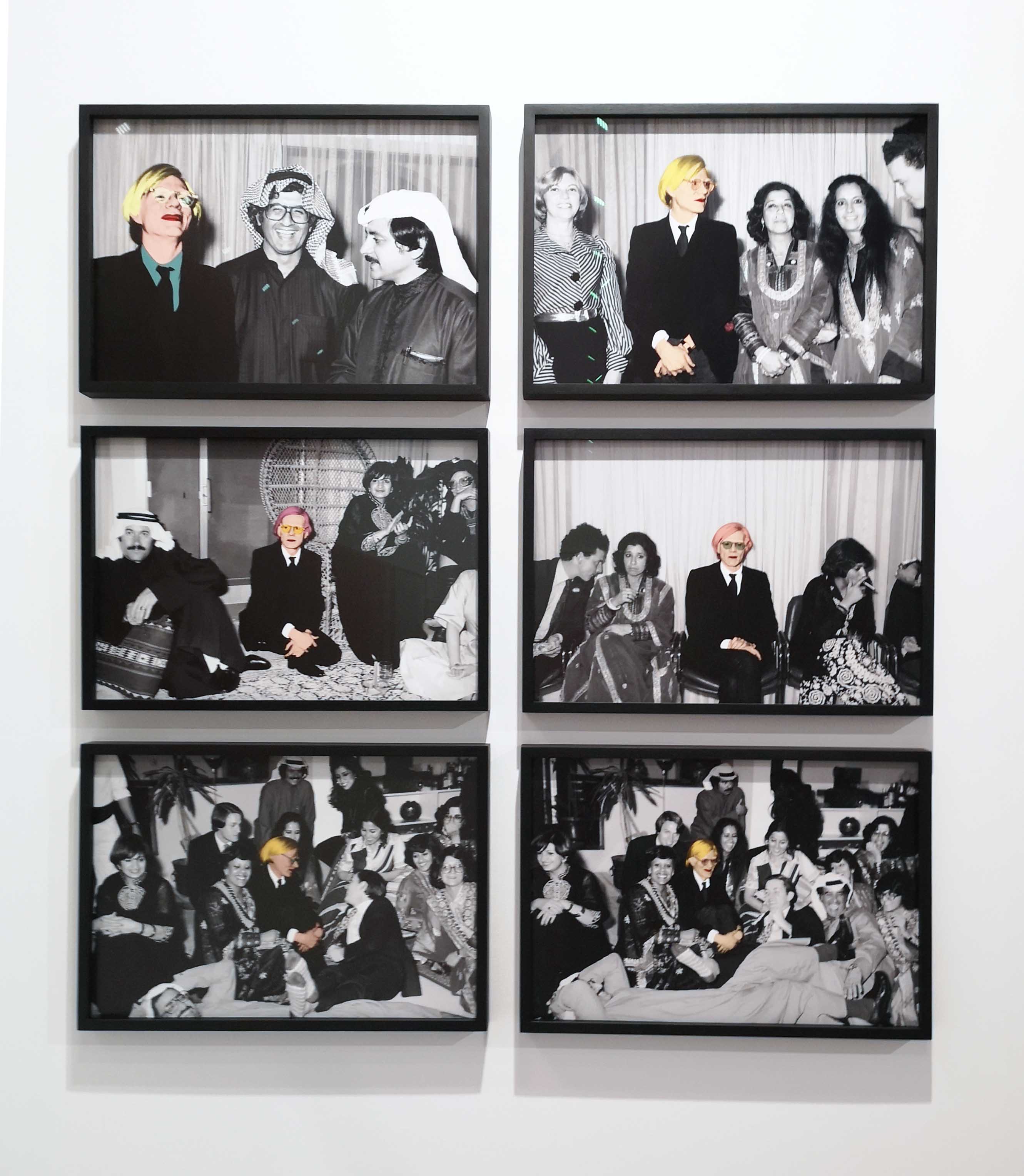
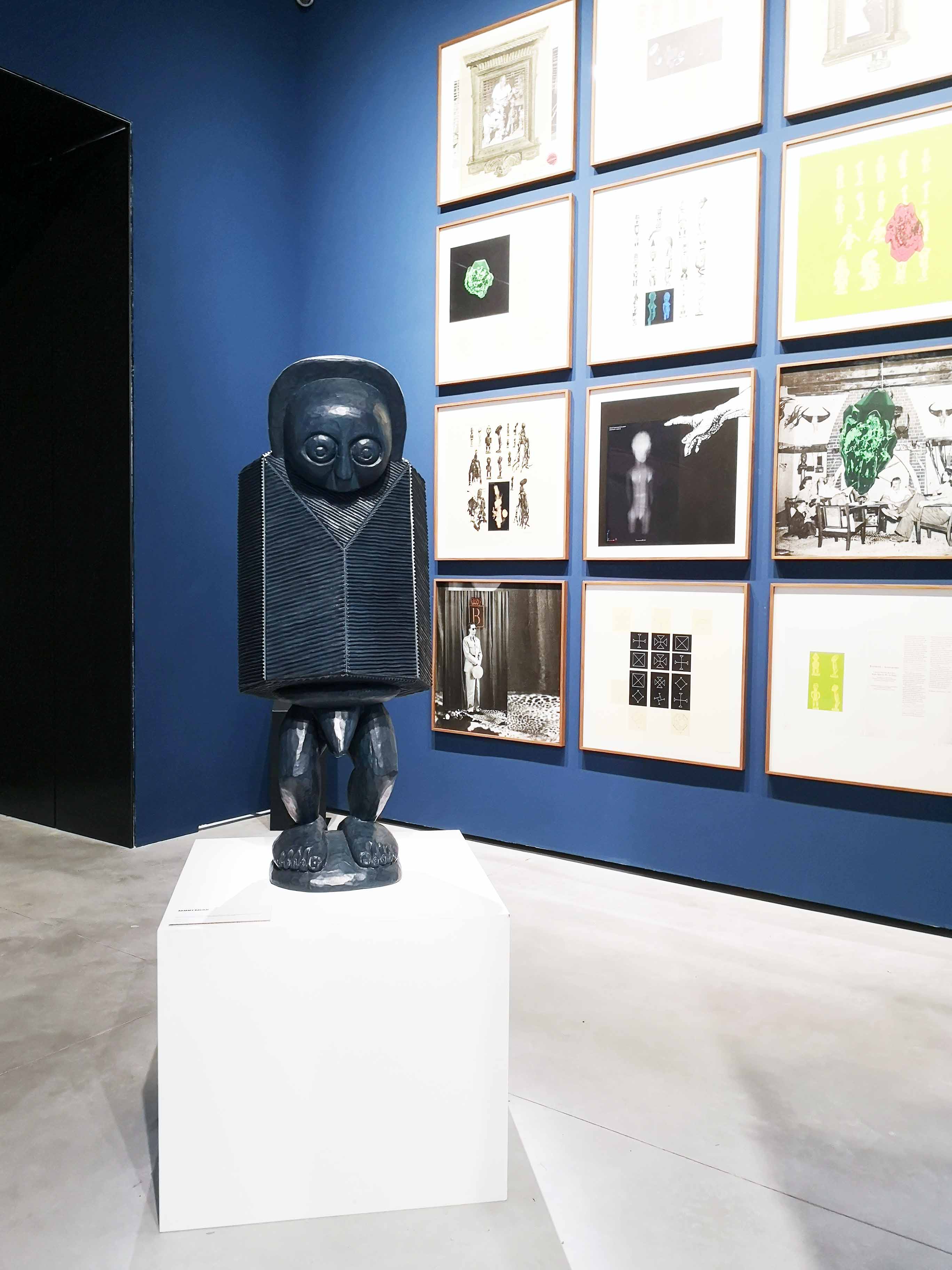
Impressions from the Central Pavilion in the Giardini







(1) advisors: Gabe Beckhurst Feijoo, Marie Helene Pereira, Rasha Salti; editor-in-chief Siddhartha Mitter; assistant Rory Tsapayi
(2) curatorial Text by Koyo Kouoh, https://www.labiennale.org/en/art/2026/introduction-koyo-kouoh-koyo’s-team, visited 27th May 2025
(3) https://www.theoeshetu.com/garden-of-the-broken-hearted, visited 14 May 2026
Text: Astrid Gallinat
Photos © Astrid Gallinat & Stephan Goseberg, if not mentioned otherwise
All our articles about this year’s Venice Biennale:
The 61st Venice Biennale (Part 2): Places of Tranquillity and political Observations