
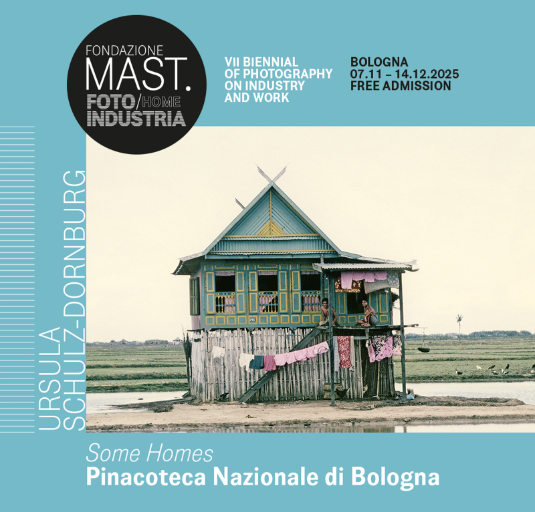
 Foto/Industria 2025: Home
Presented by the MAST Foundation
Pinacoteca Nazionale di Bologna
7 November – 14 December 2025
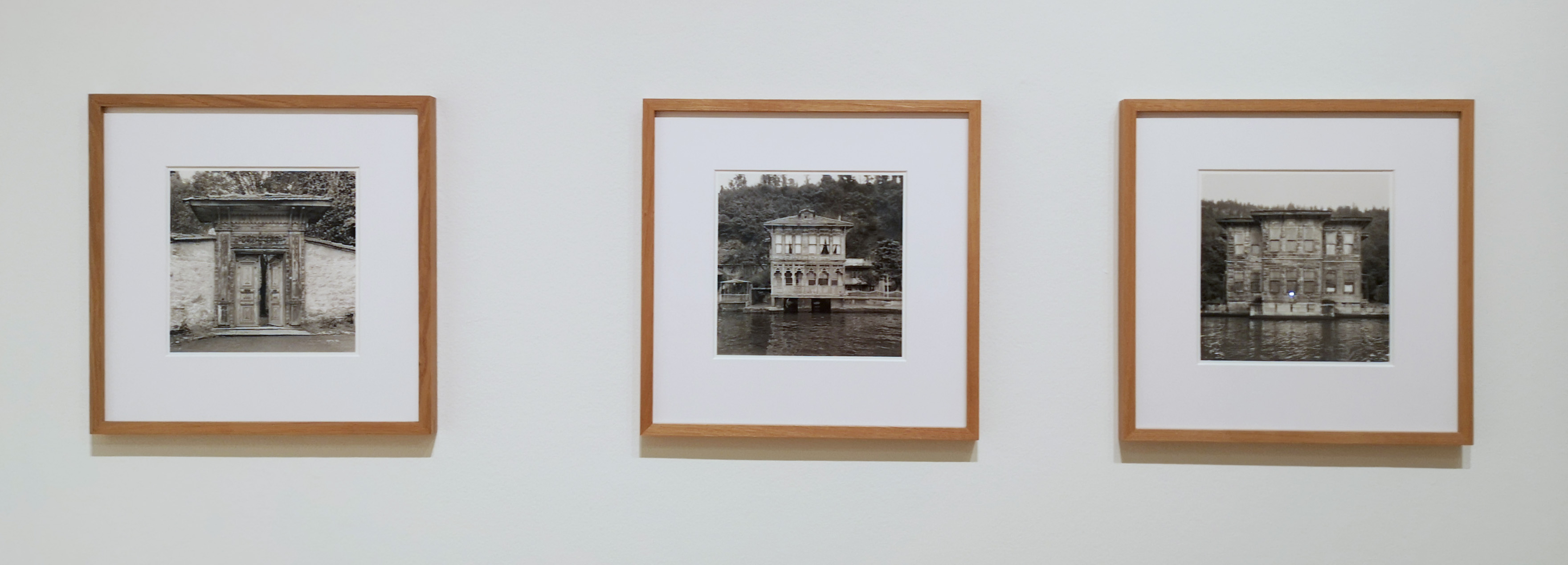
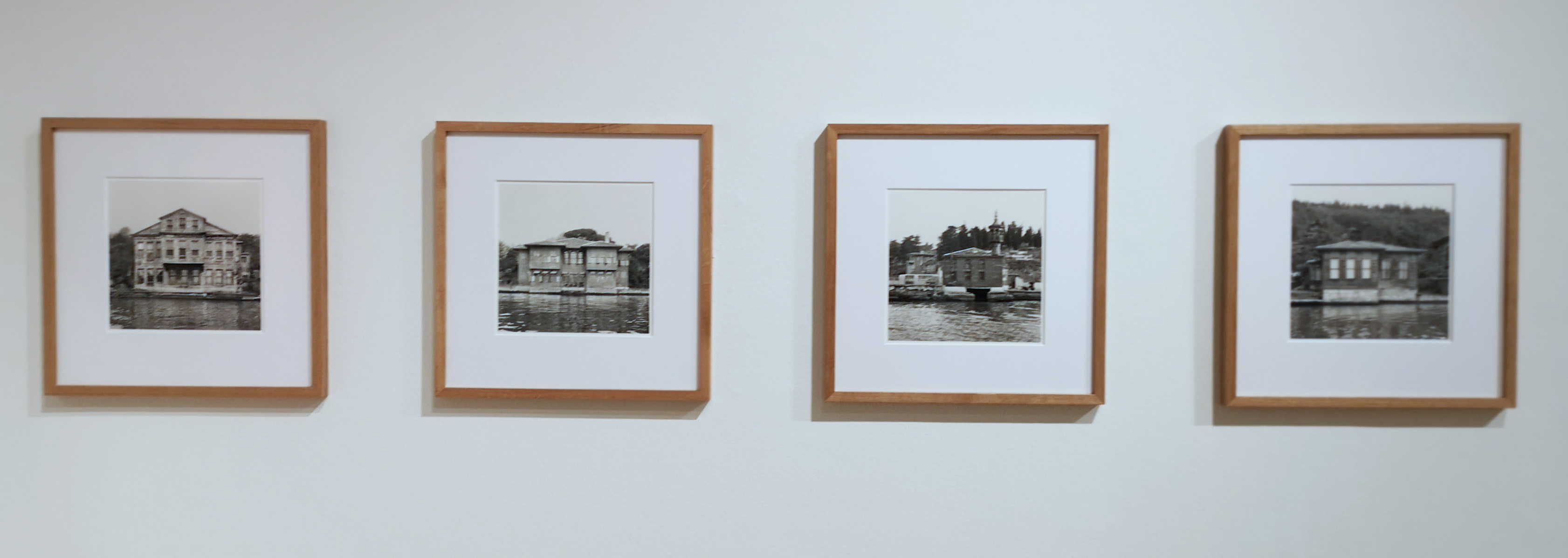
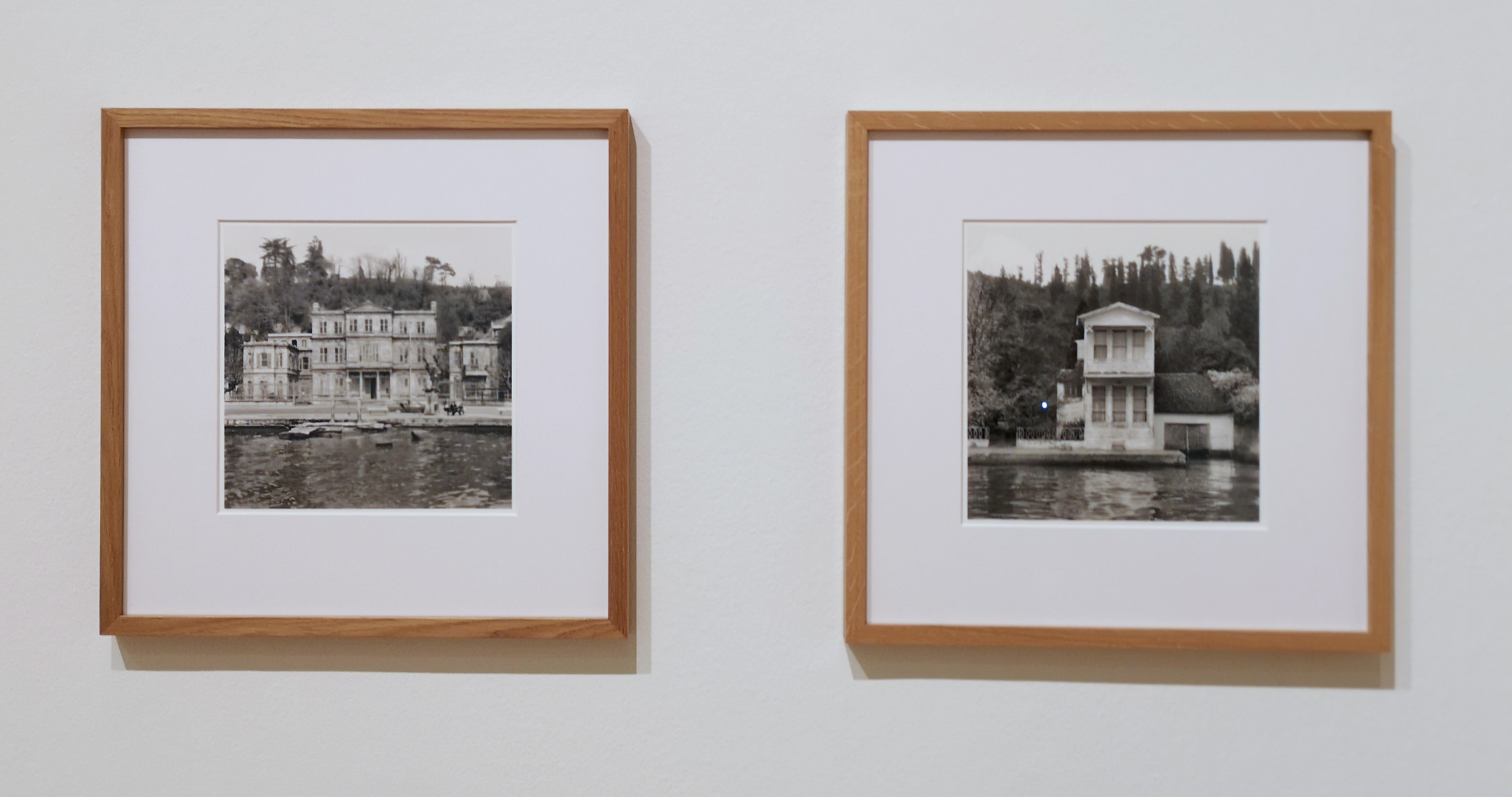
The German photographer Ursula Schulz-Dornburg (* 1938 in Berlin) studied photojournalism after frequenting courses of ethnology in Munich. Both disciplines as well as the artistic exchange with renown artists with focus on Land Art and conceptual art entered into her oeuvre. During her career, she undertook many journeys and visited various regions, which were not always easy to access. The exhibition “Some Homes” presented seven series shot from the 1960s to the early 2000s. A good review of her work.
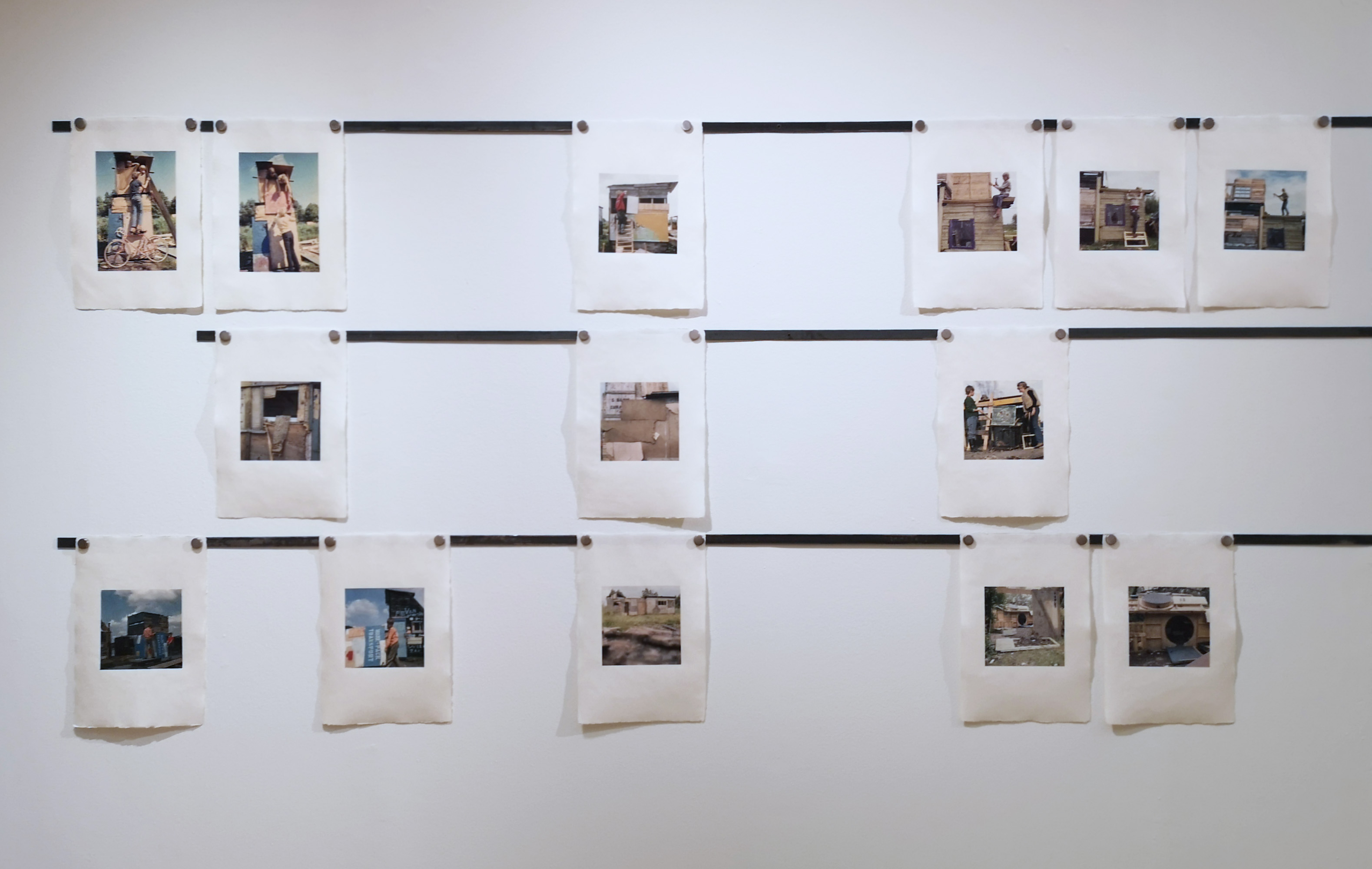
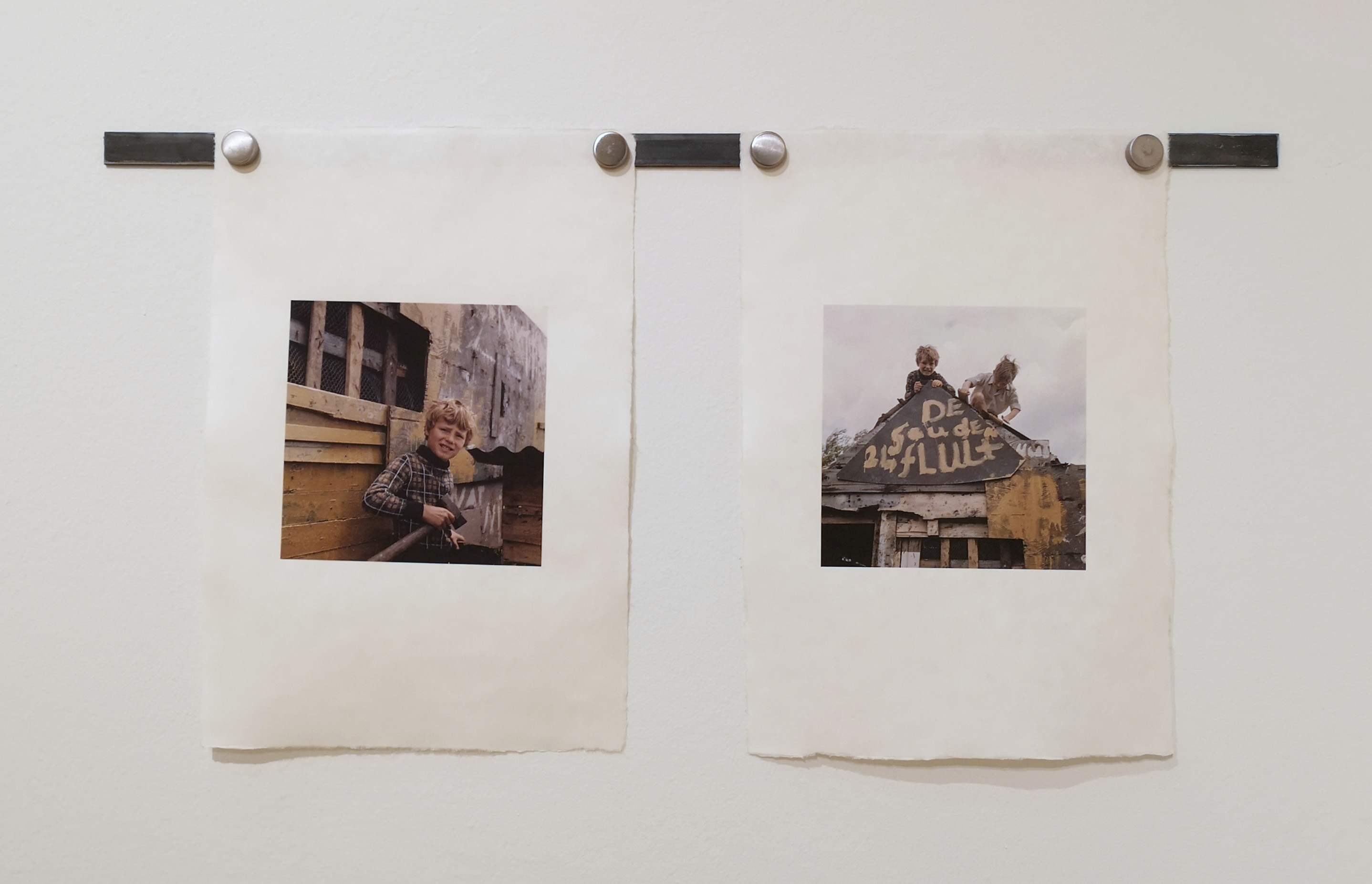
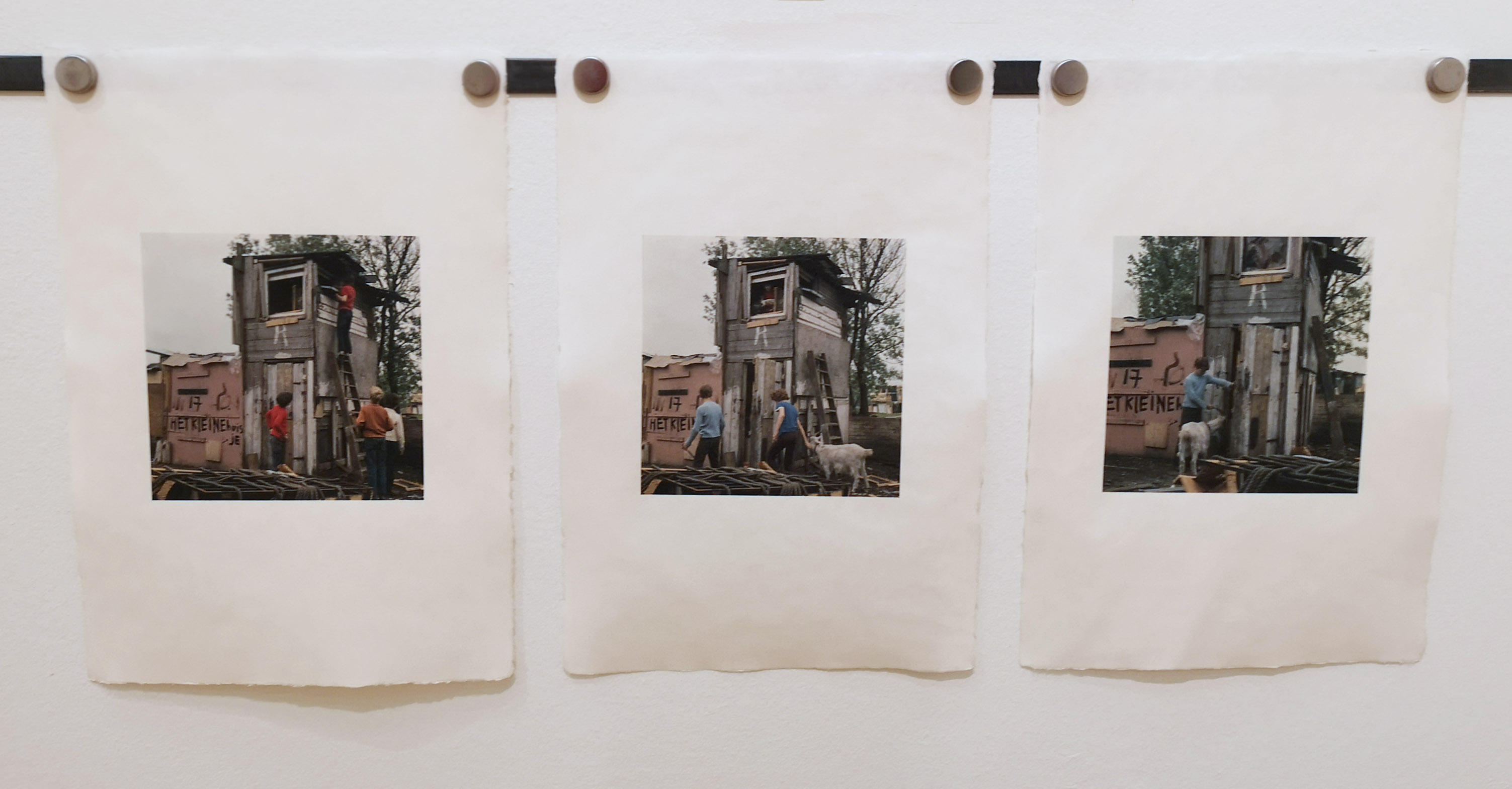
In 1969, Schulz-Dornburg visited adventure playgrounds in Amsterdam. The resulting series was published as book under the title “Abenteuerspielplätze: ein Plädoyer für wilde Spiele”. “Huts, Temples, Castles” shows several of the children’s constructions, which became temporary homes for them. Other series feature more long-term solutions.


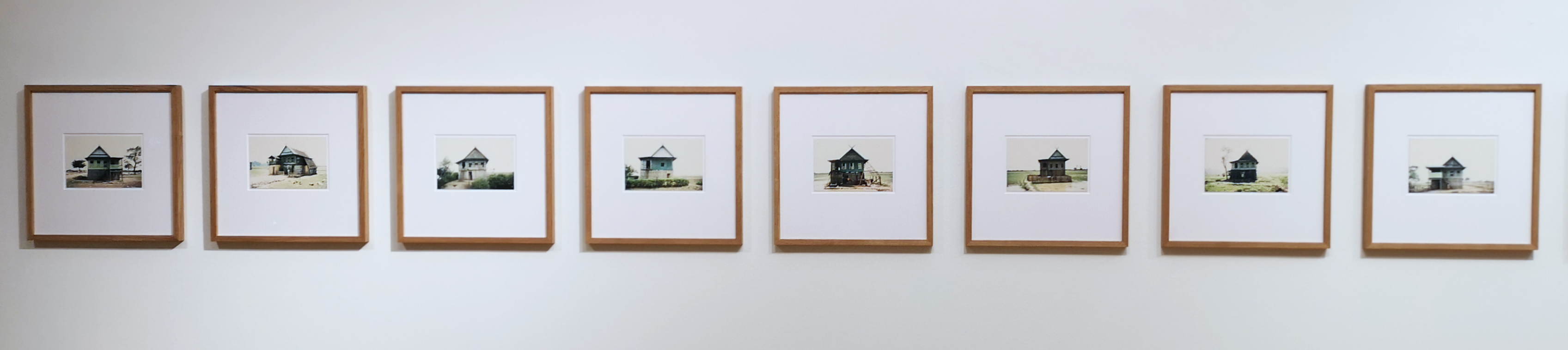
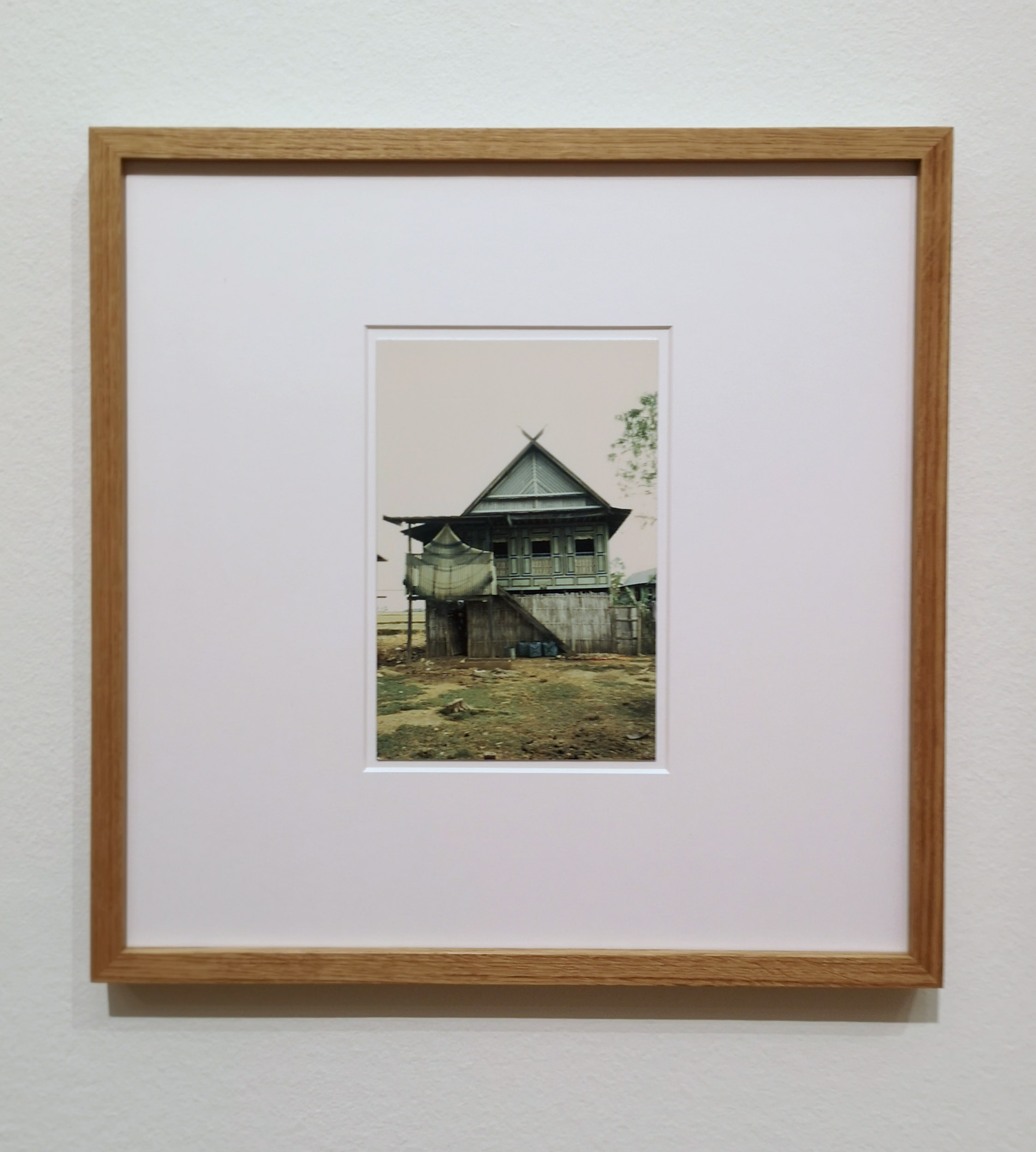
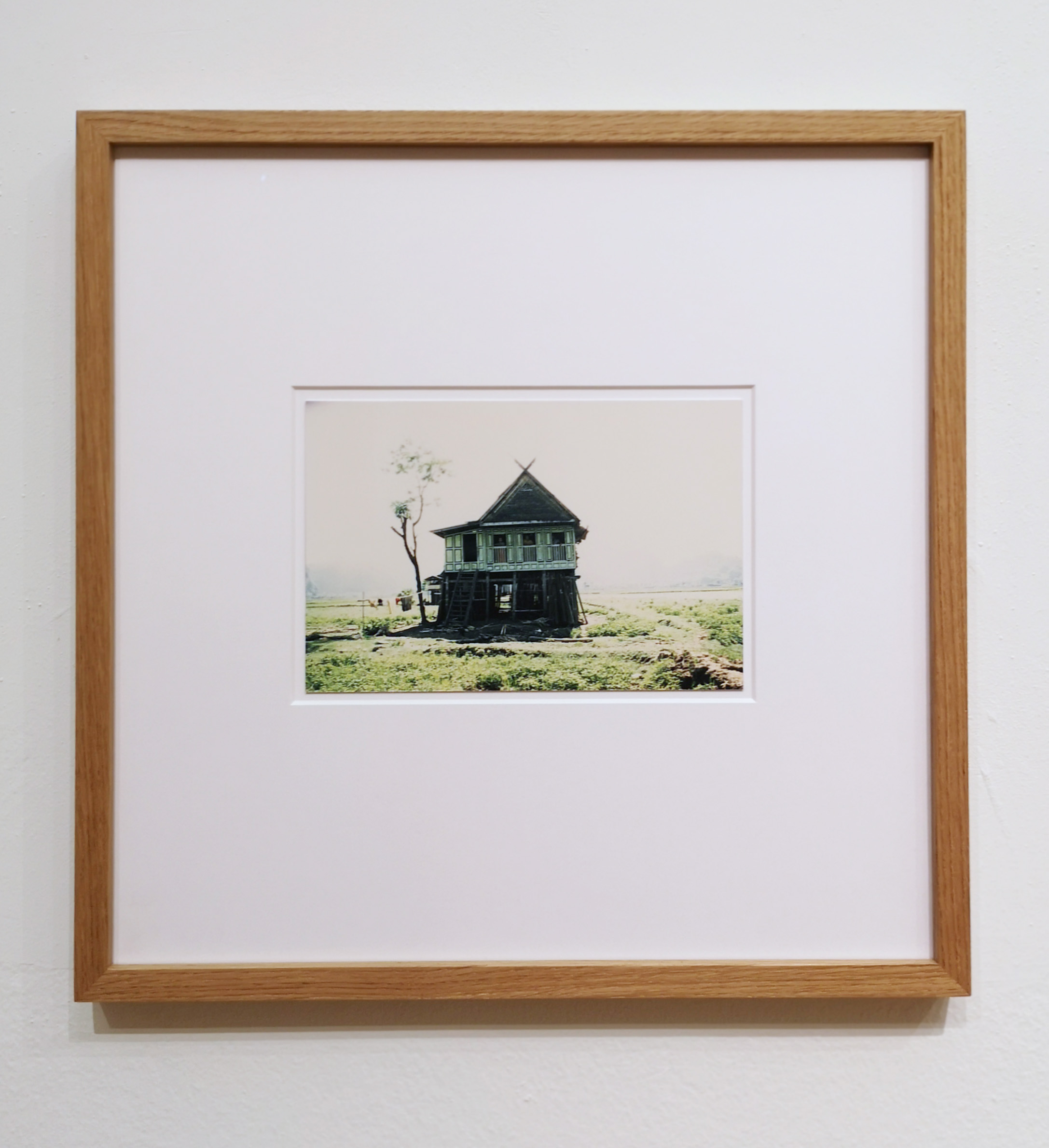
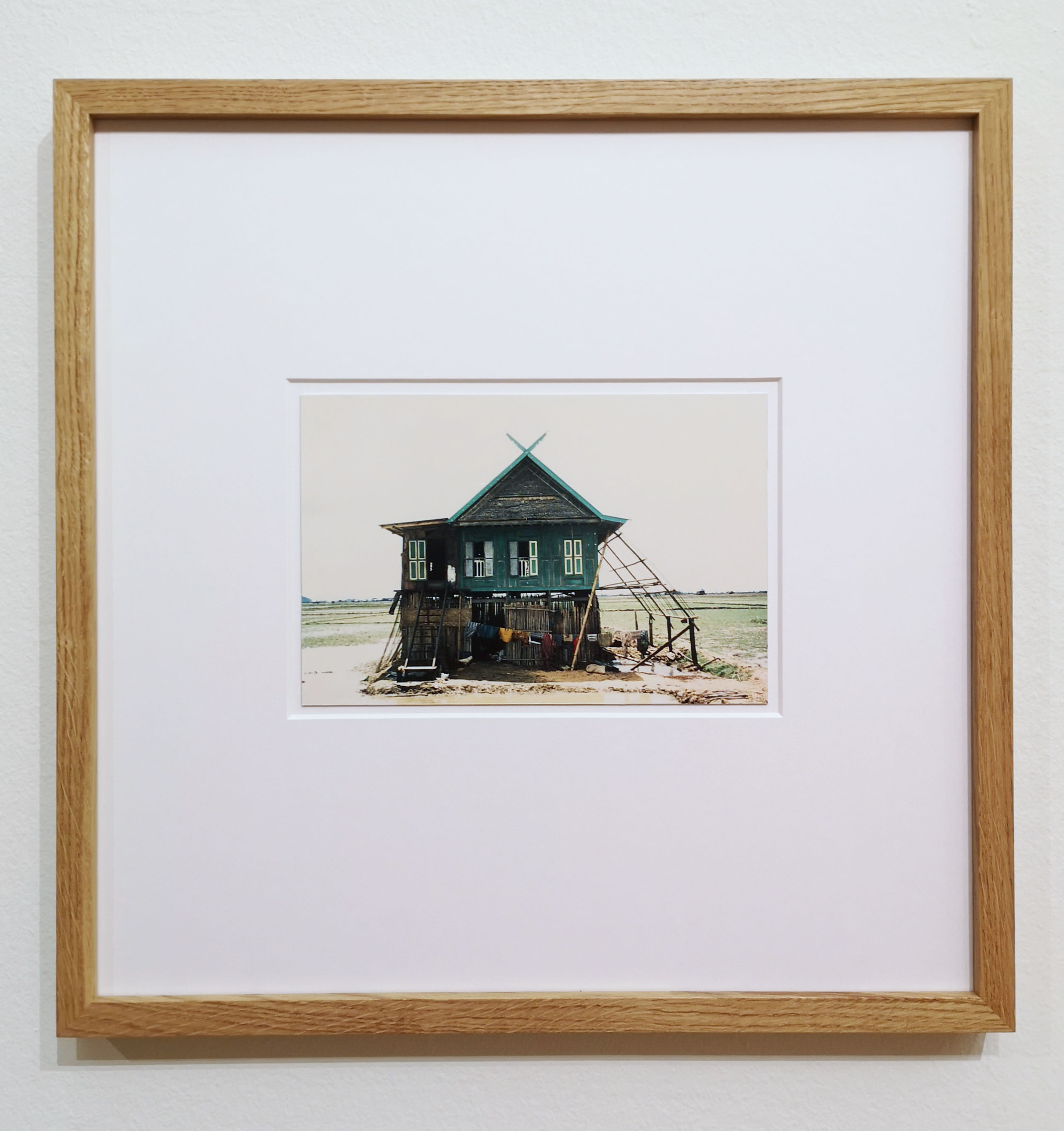
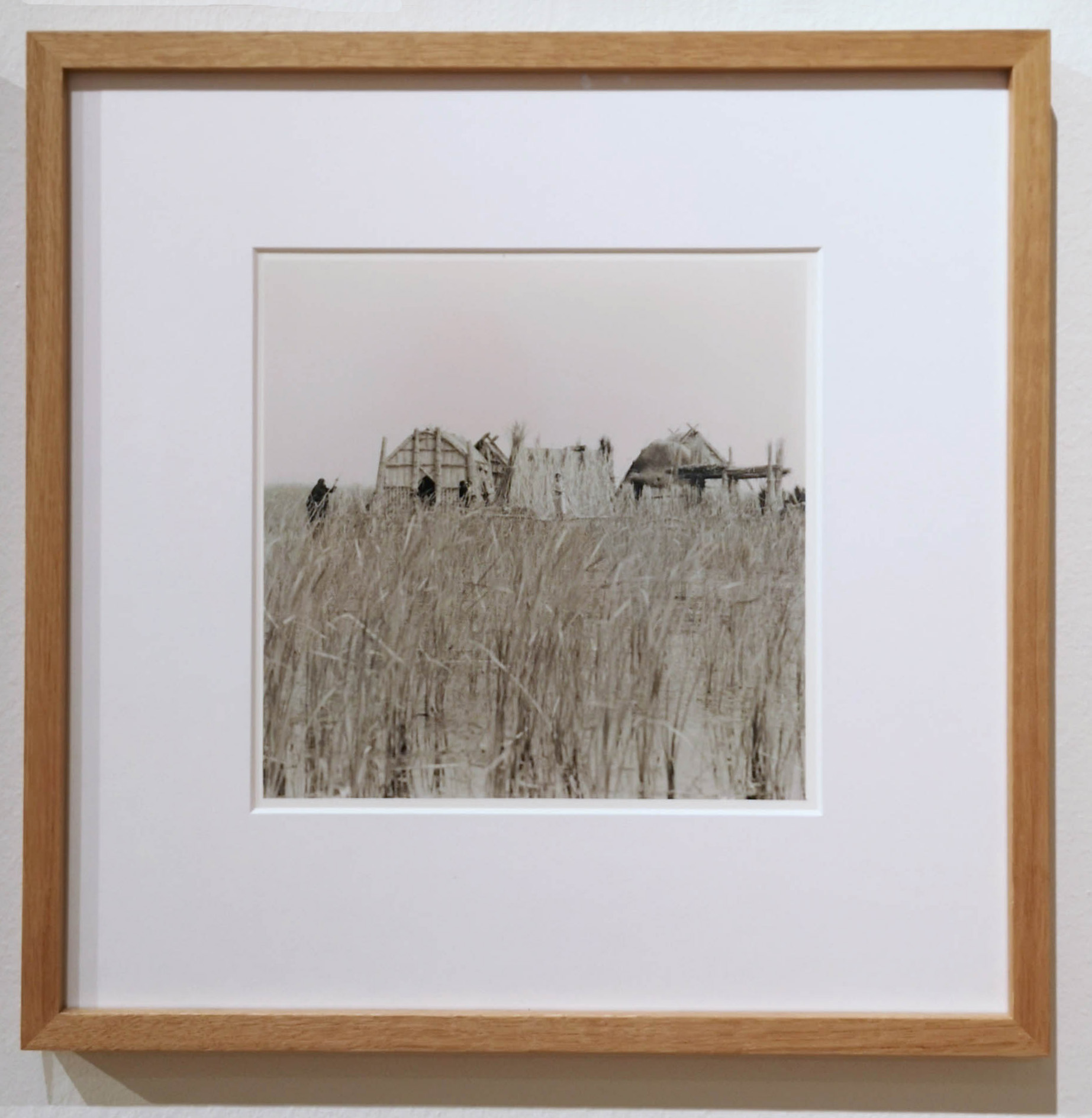
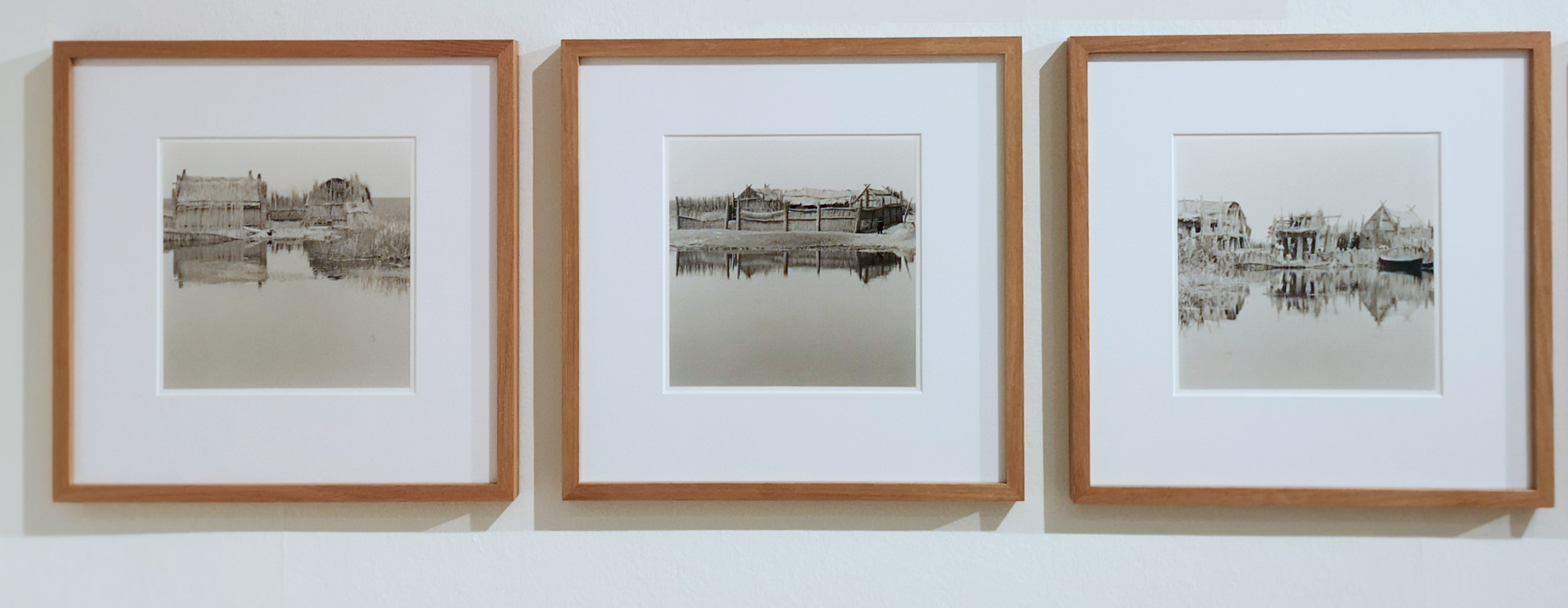
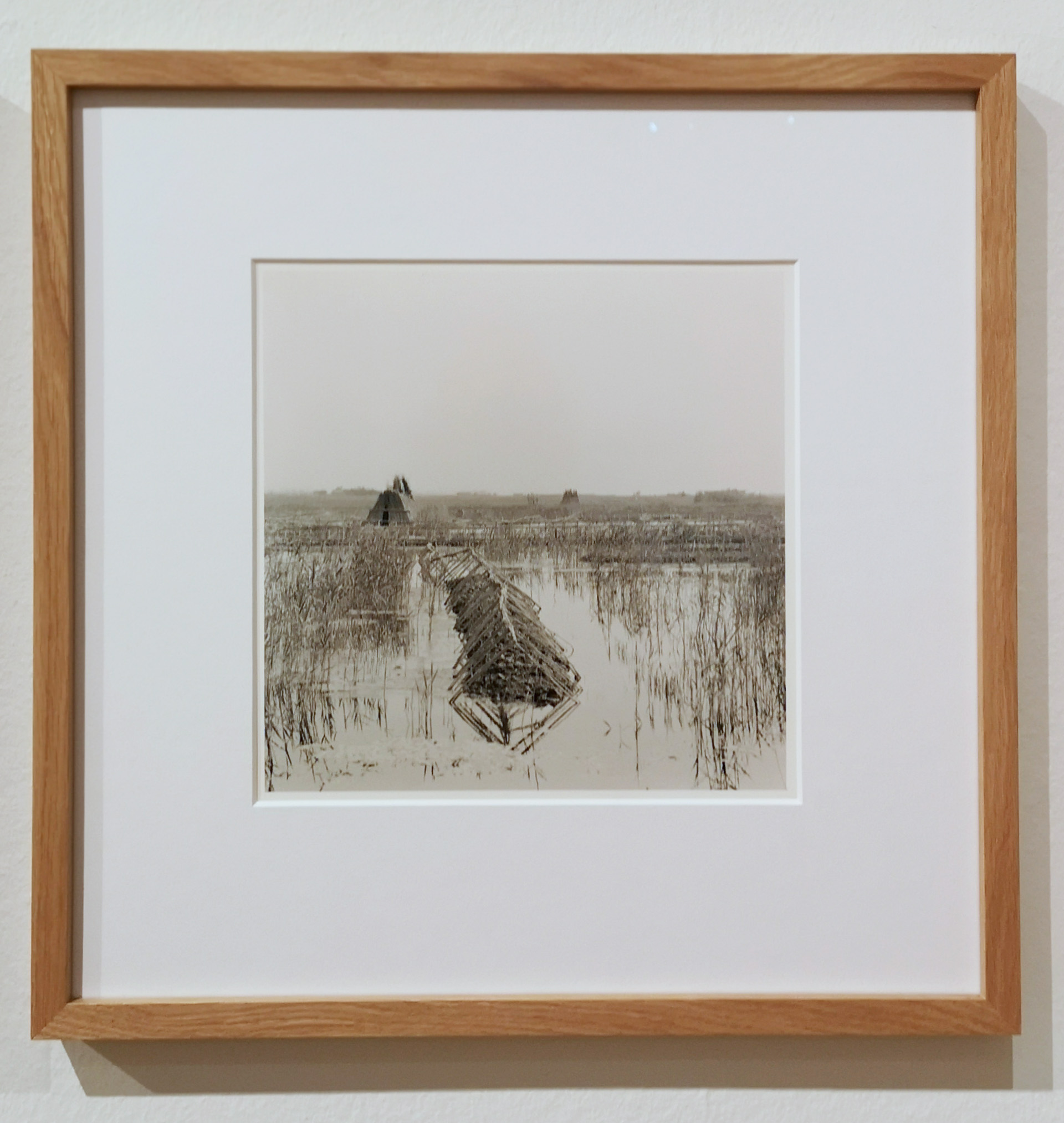
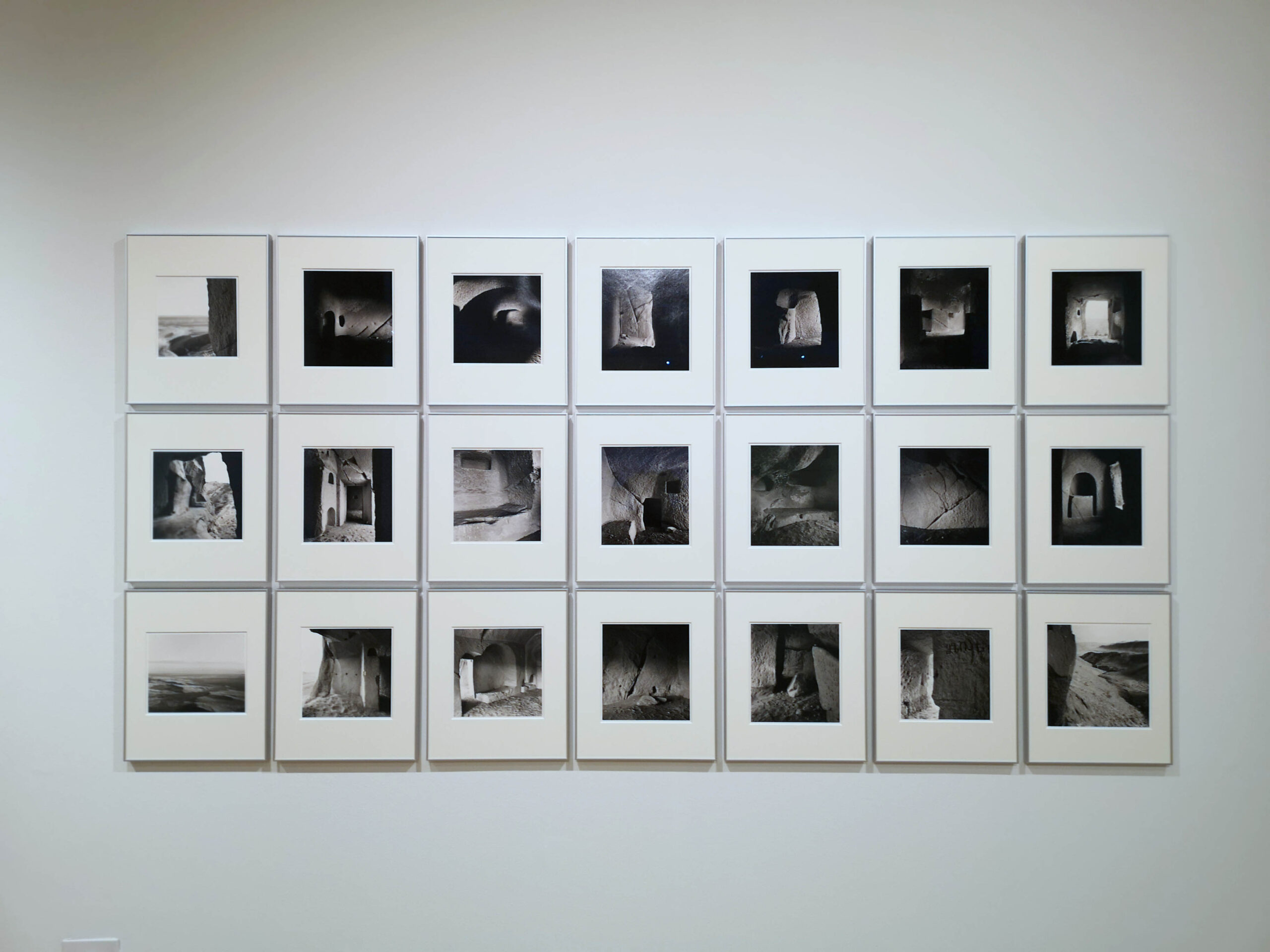 Also in the 1980s, she visited the Iraqi marshlands. Here, Schulz-Dornburg had the possibility to document the buildings there, just before the drainage of these swampy areas. In 1989/90, she travelled 15 kilometres along the Georgian-Azerbaijanian border, to visit the Caves of Gareja. It was the moment after the removal of the Soviet military in October 1988 and the revival of monastery life in 1991. Despite conflicts with the now Georgian government, the historic monastery, founded in the 6th century, is once again active.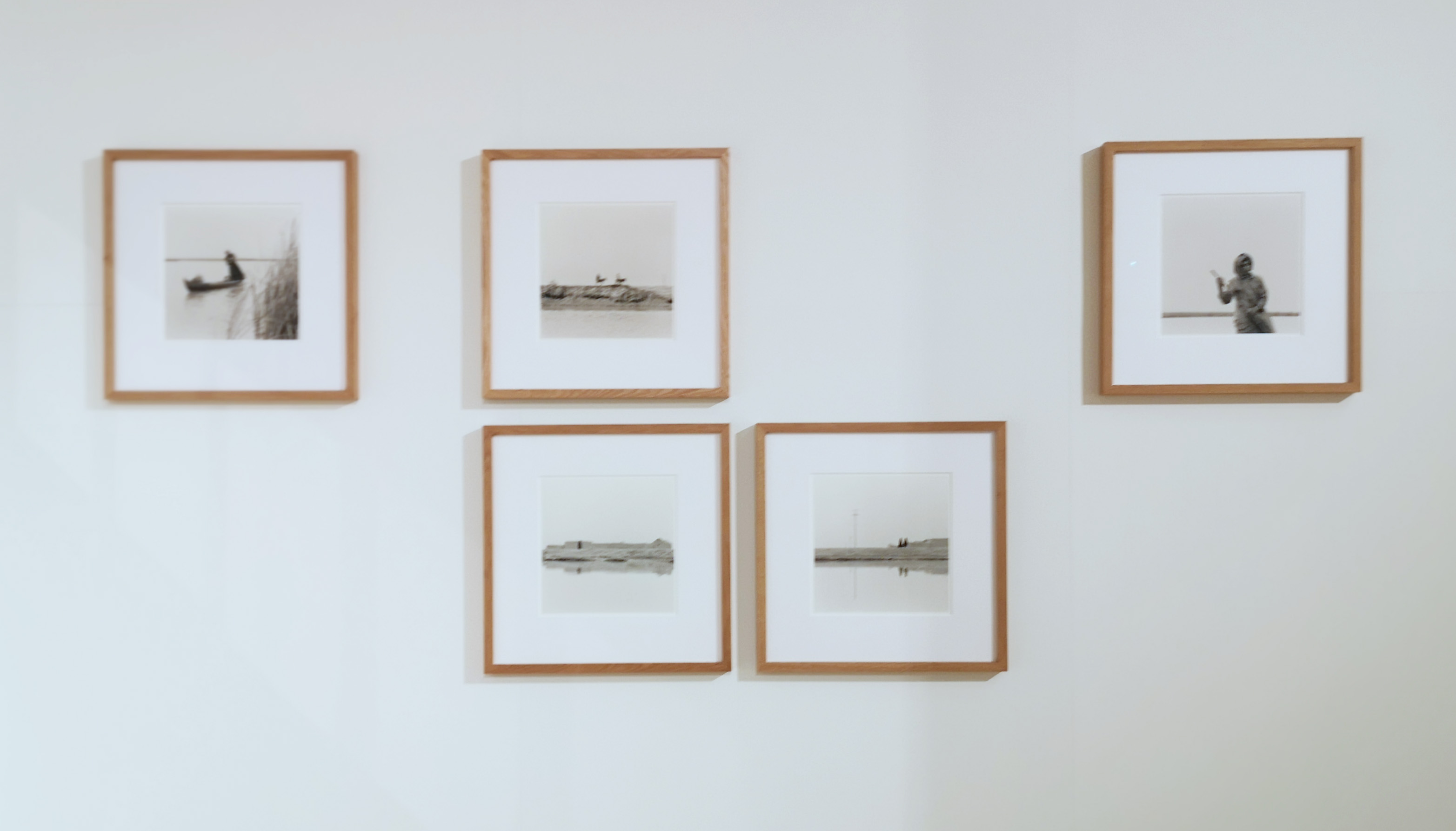
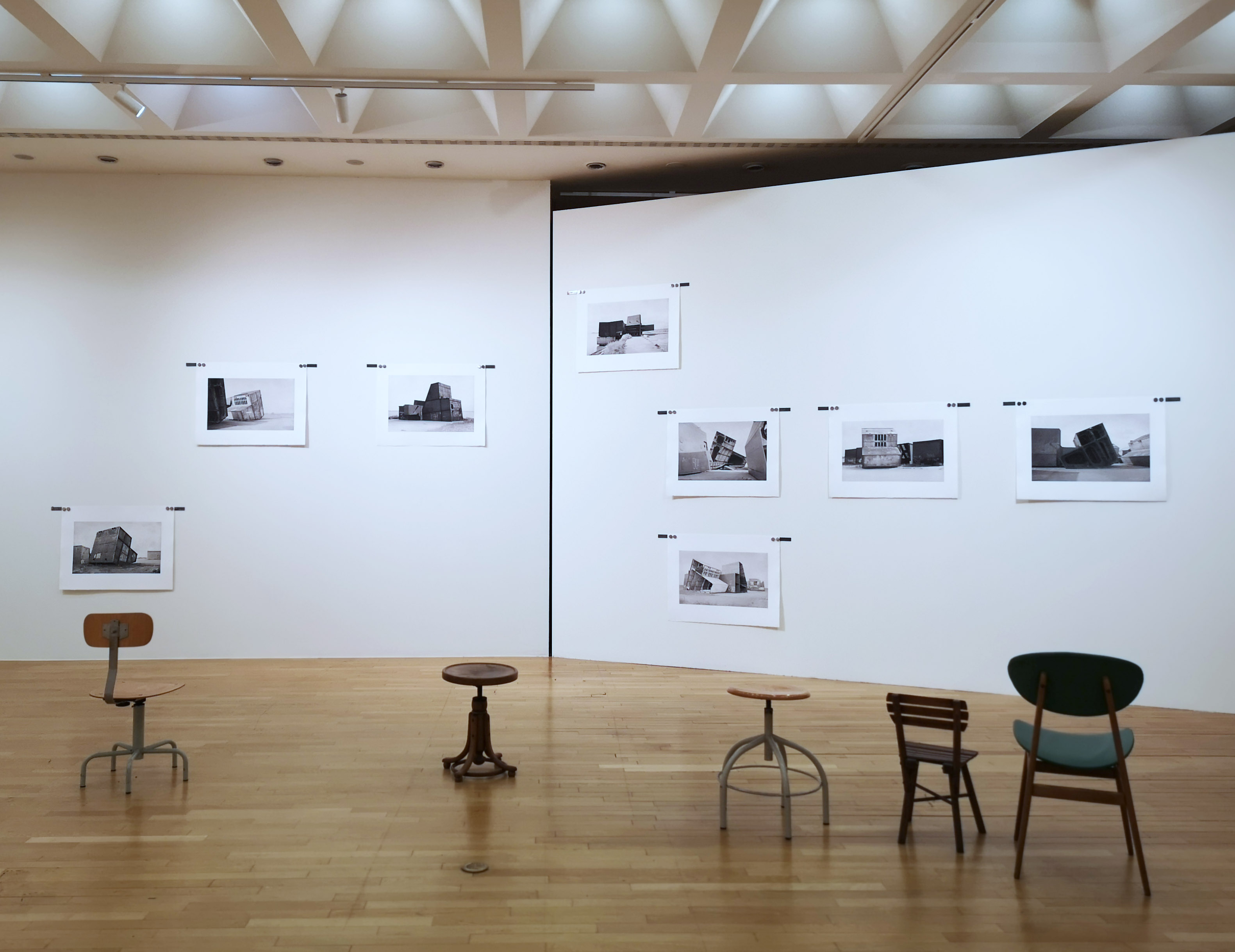
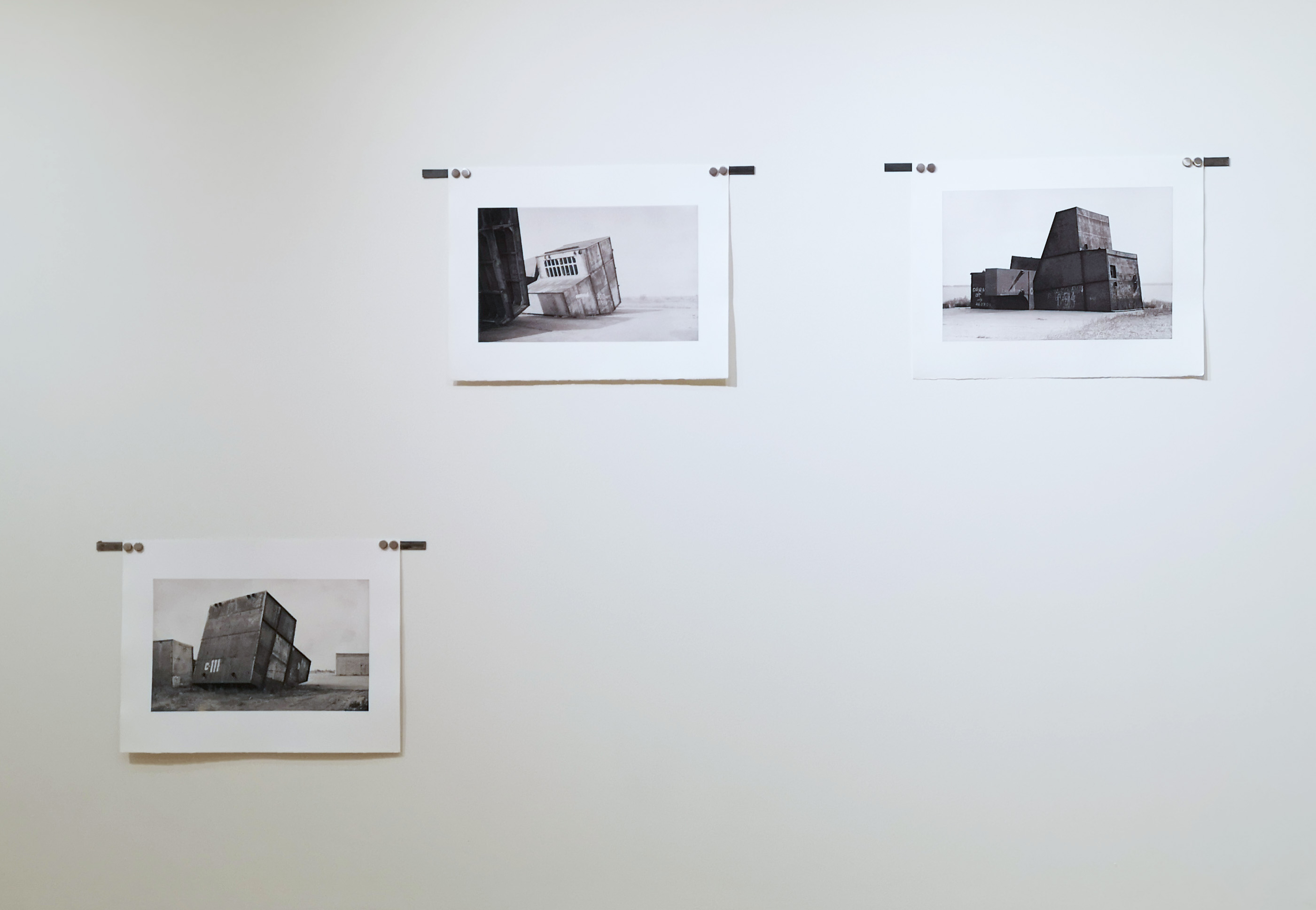
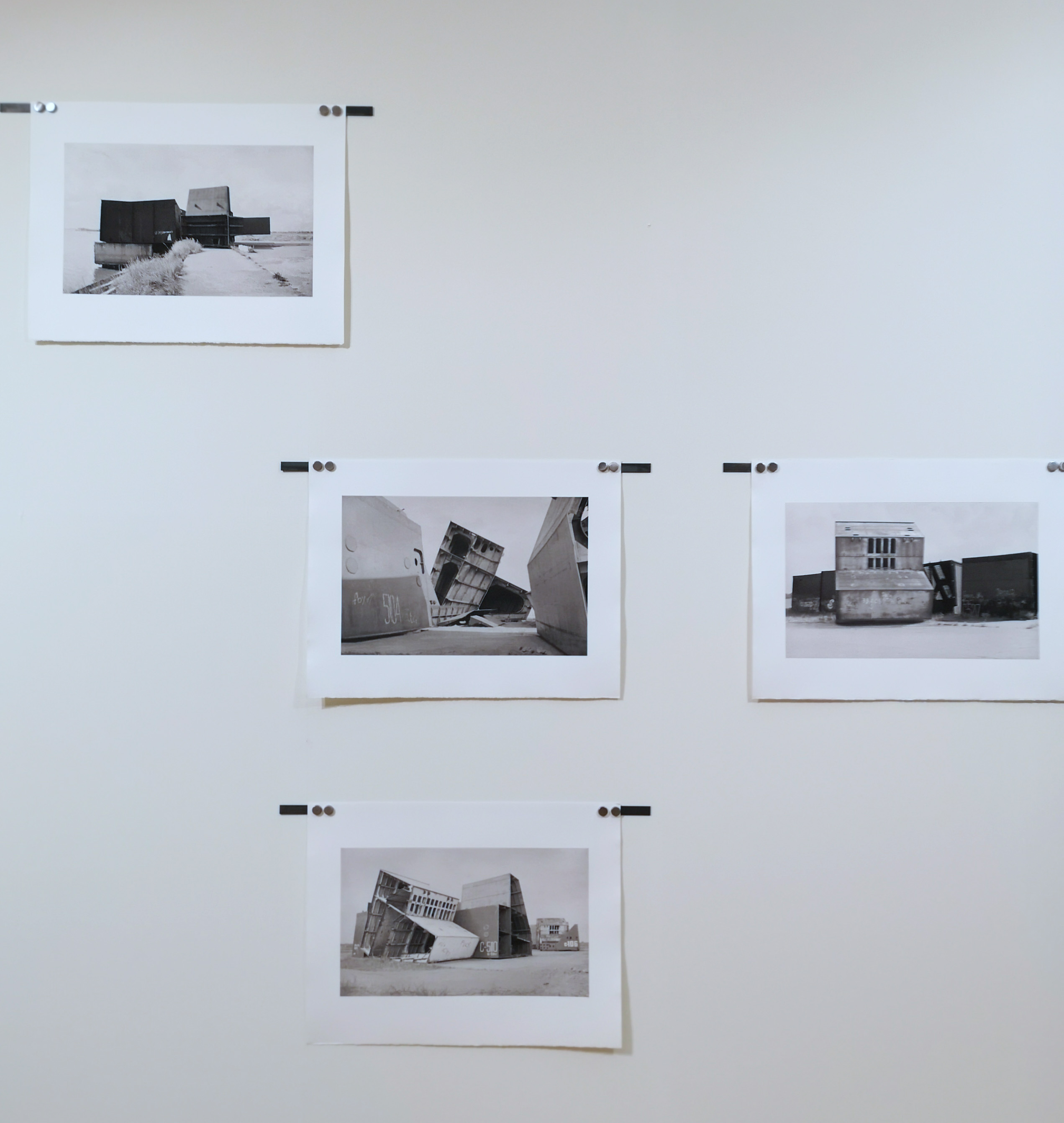

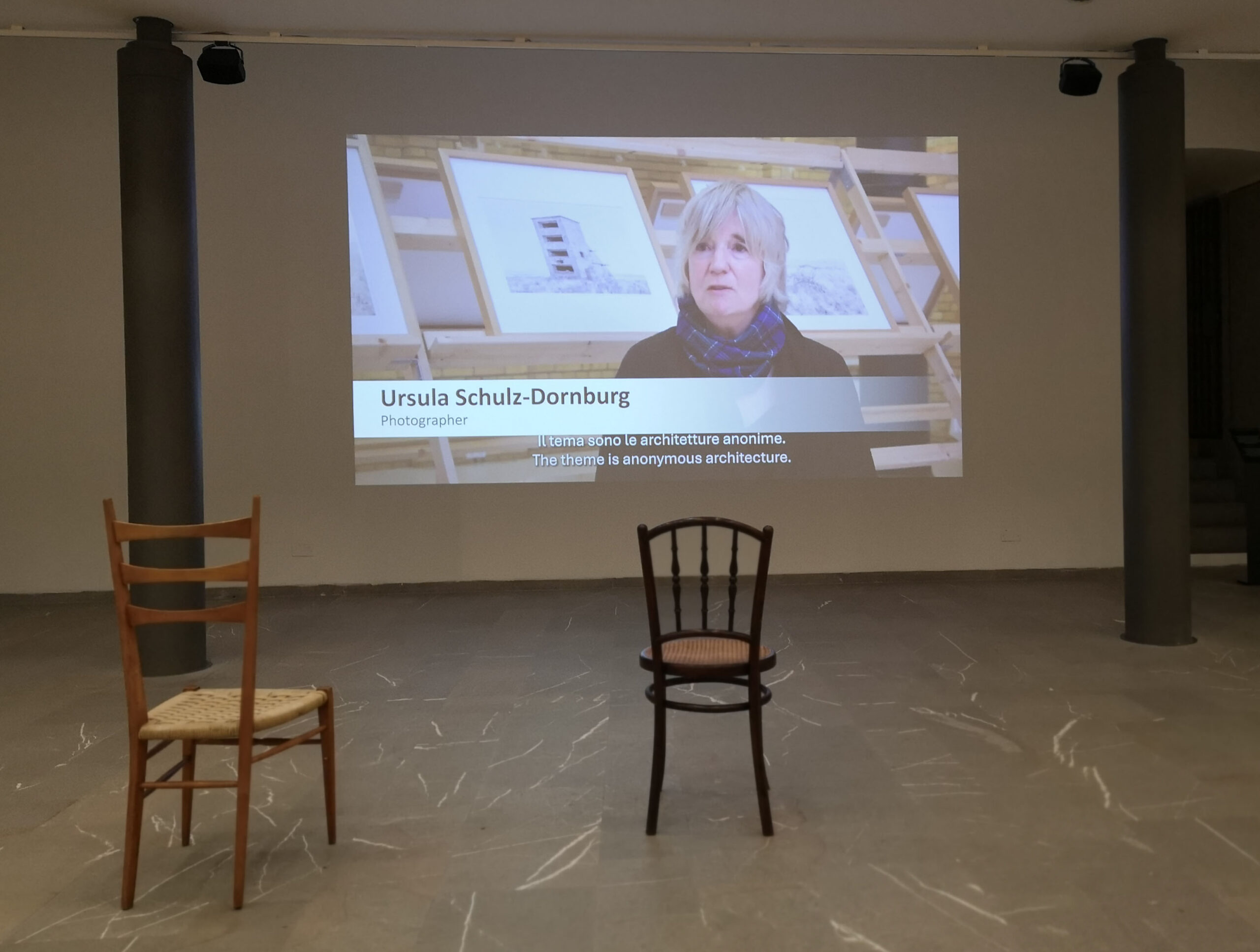 A conclusive video of a conversation with Peter Kammerer, professor of Sociology at the University of Urbino recounts her last project from 2012. It features the nuclear test site of Semipalatinsk in Kurchatov, Kazakhstan. From 1949 to 1963 the Soviet Union tested their nuclear weapons here in the atmosphere, later subterranean. The buildings had been constructed to measure the destructive energy of the bombs. After the depart of the Soviets in 1991, the remains were plundered to leave only the naked structures, which underlines the ghostly surreal impression. This experience of the dangerous devasting potential of mankind led Schulz-Dornburg to not undertake any further projects.
This closes the circle from the first hopeful observation of children playing to the expression of destruction. However, in between there were many hopeful and documenting projects, which allow the observer to discover unknown, perhaps mystical, but in part bygone worlds.