
7 November – 14 December 2025
https://www.mast.org/foto/industria-2025
Eleven exhibitions in eight venues
The 7th edition of the Bolognese Biennale “Foto/Industria” by the MAST Foundation focusses on the theme “Home”. This involves a wide variety of aspects of the term. Ten international artists and one research agency impart via photography, video and installation their ideas of the subject. There is the traditional concept of home as a house where people live, which could be extended to the home region. It could be the care for the houses of others or the recollection of the personal childhood or collective narratives. The approach is sometimes documentary or fictional, a glance to the recent past or to history.
My Home is my Castle
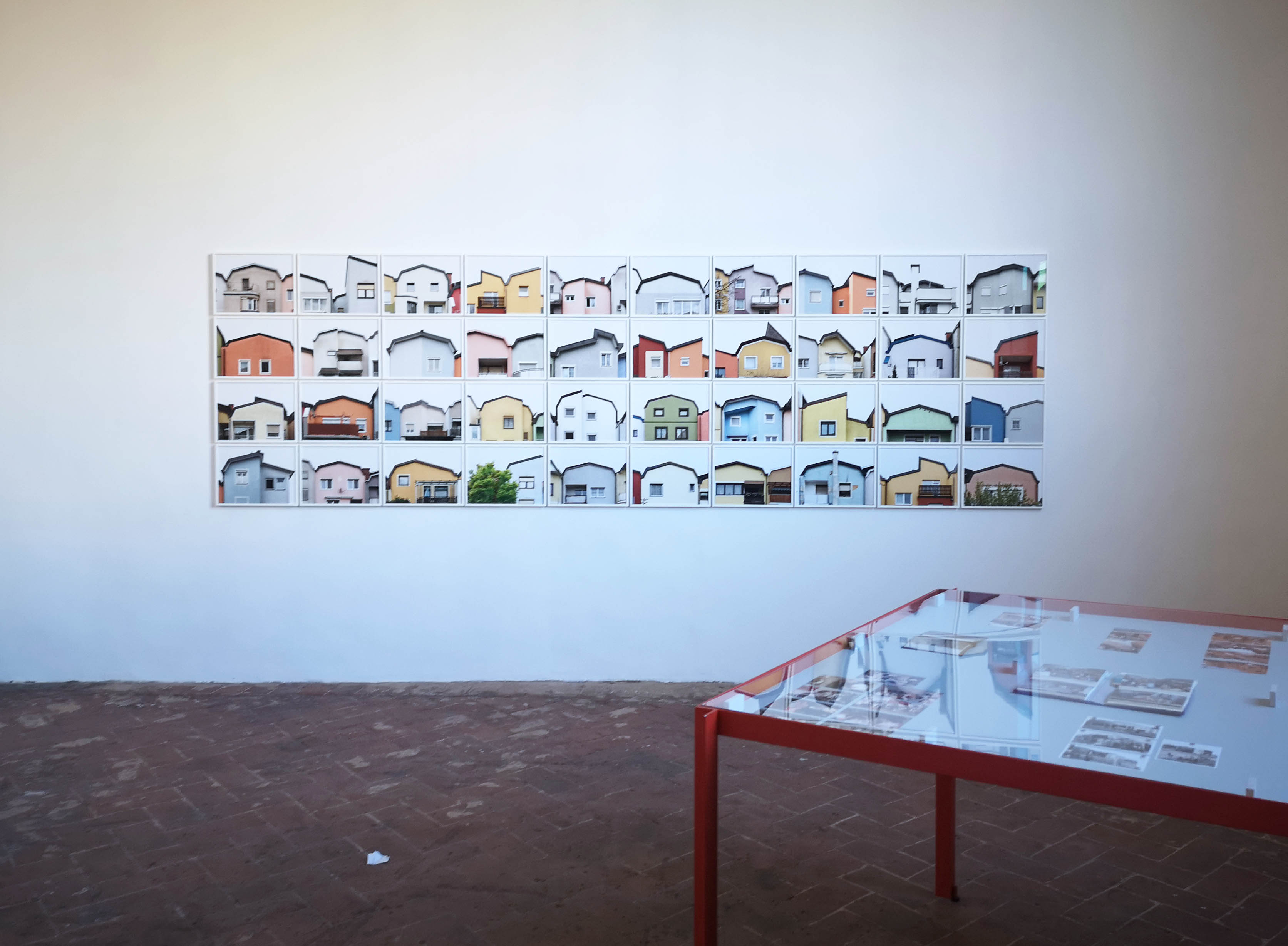
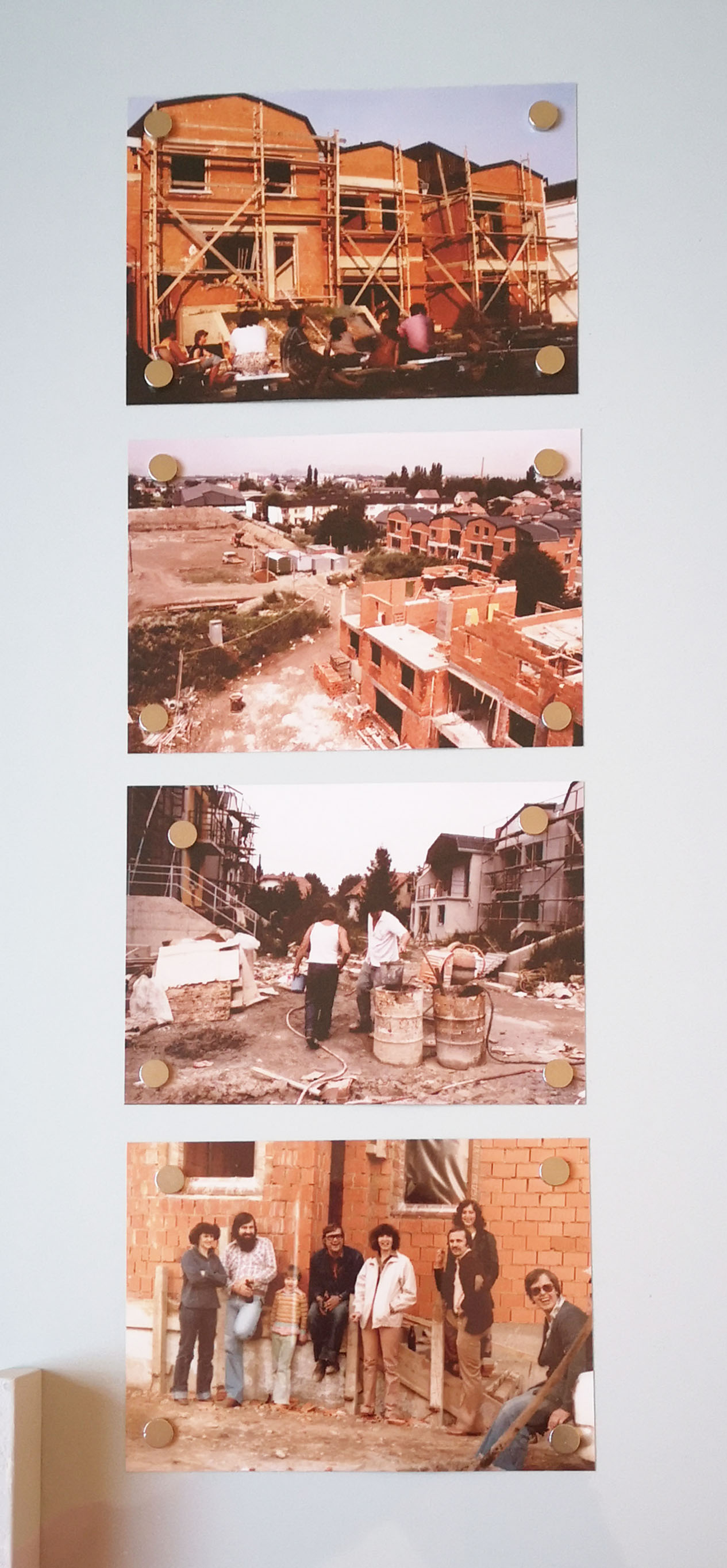
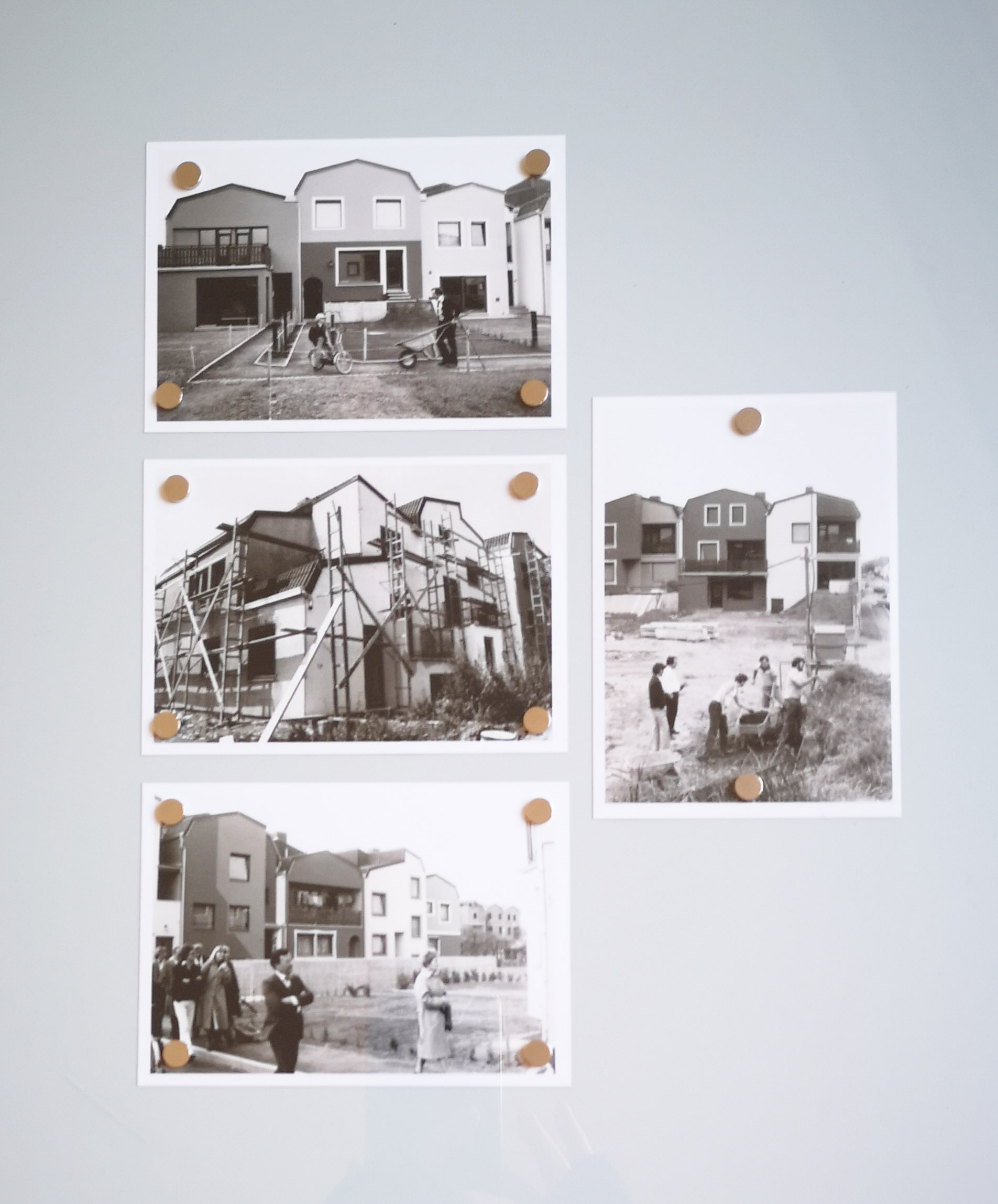
In “My Dreamhouse is not a House” the Austrian artist Julia Gaisbacher introduces Austria’s first participatory social housing experiment. In the 1970s, Eilfried Huth conceived the Gerlitzgründe residential complex in Graz. The future residents were involved from the beginning in architectural design and implementation. This enabled also families with low income to realise their own home. By the early integration of the residents developed a collaborative relationship between the future neighbours.



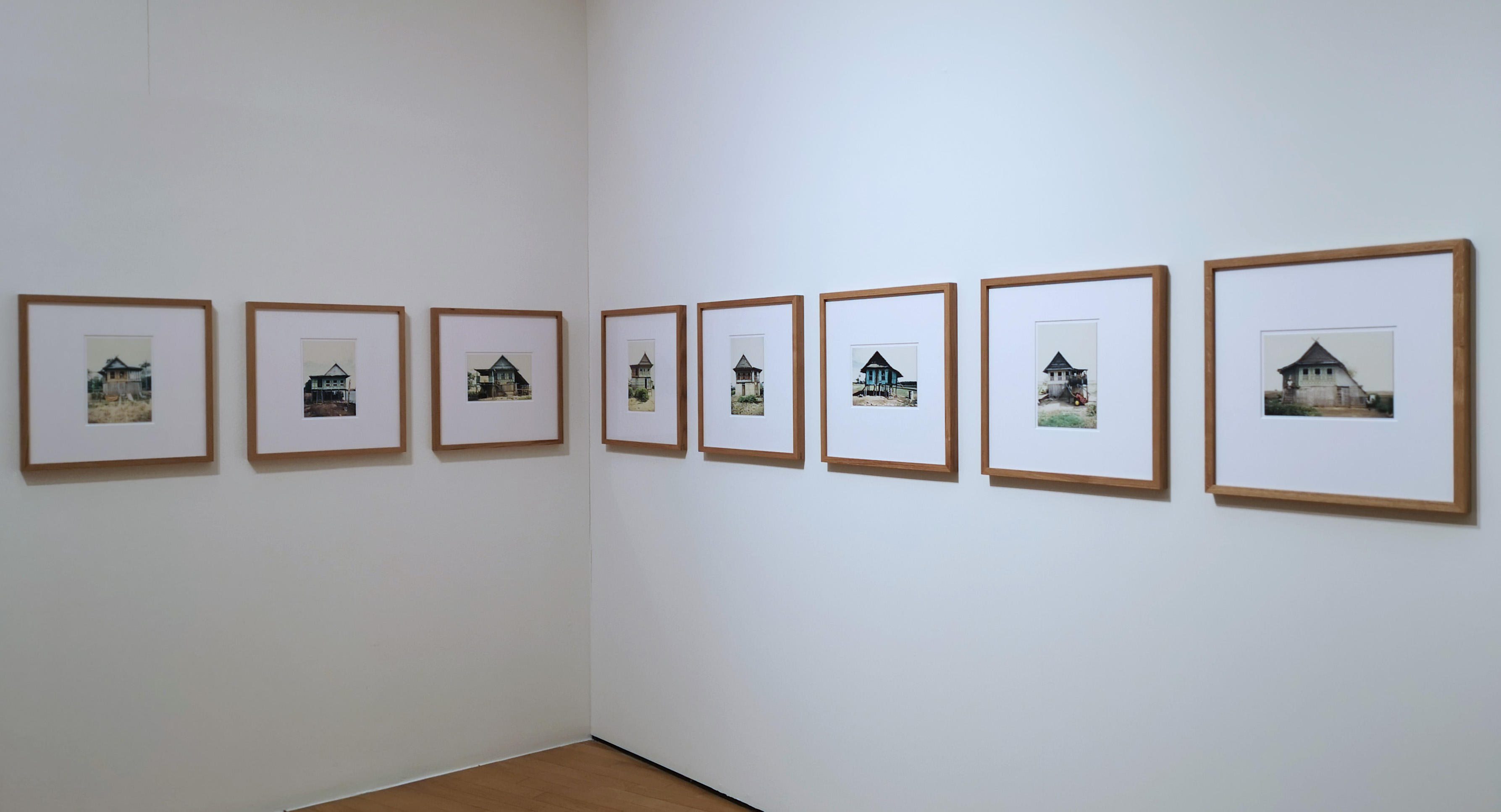

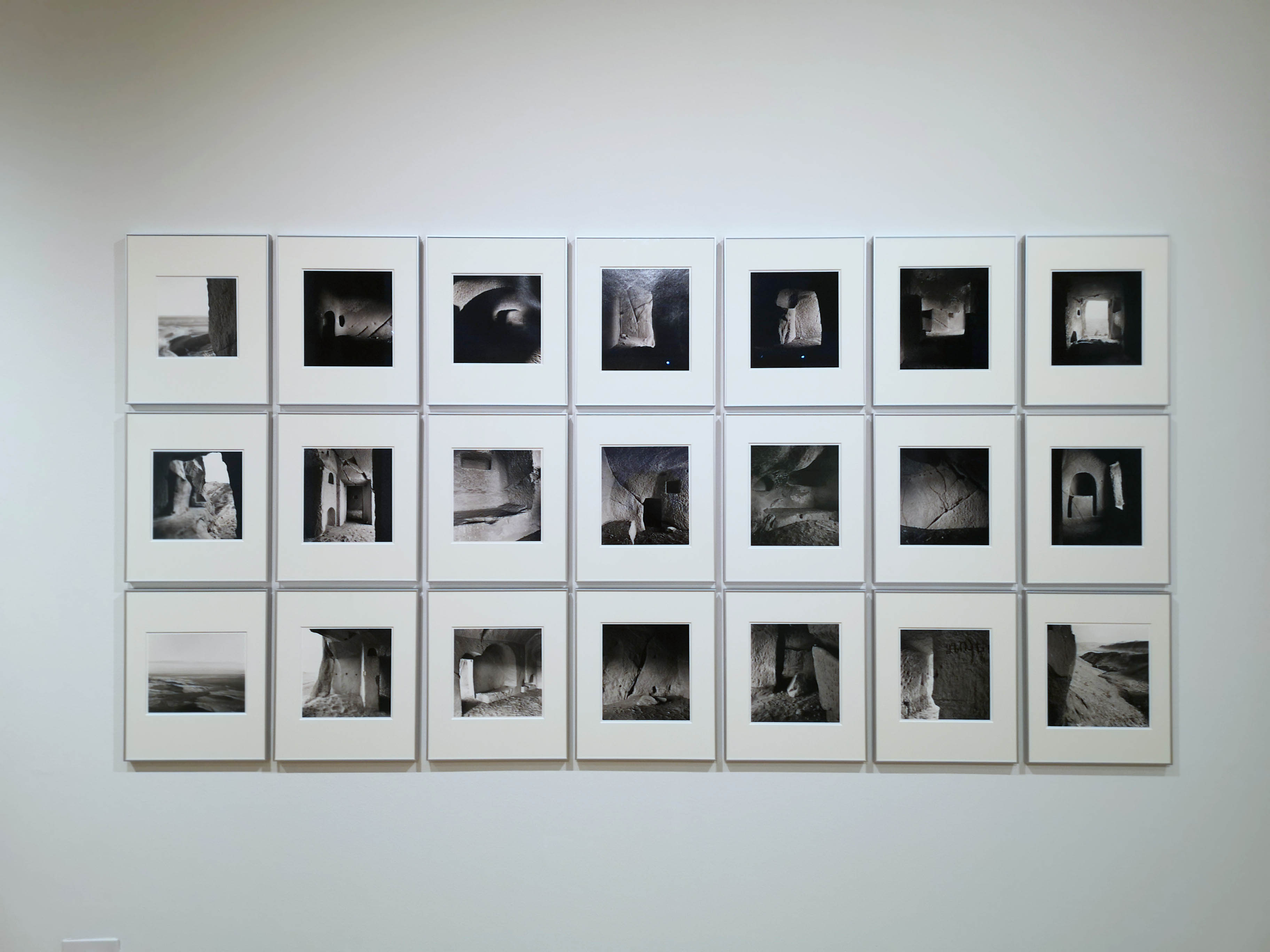
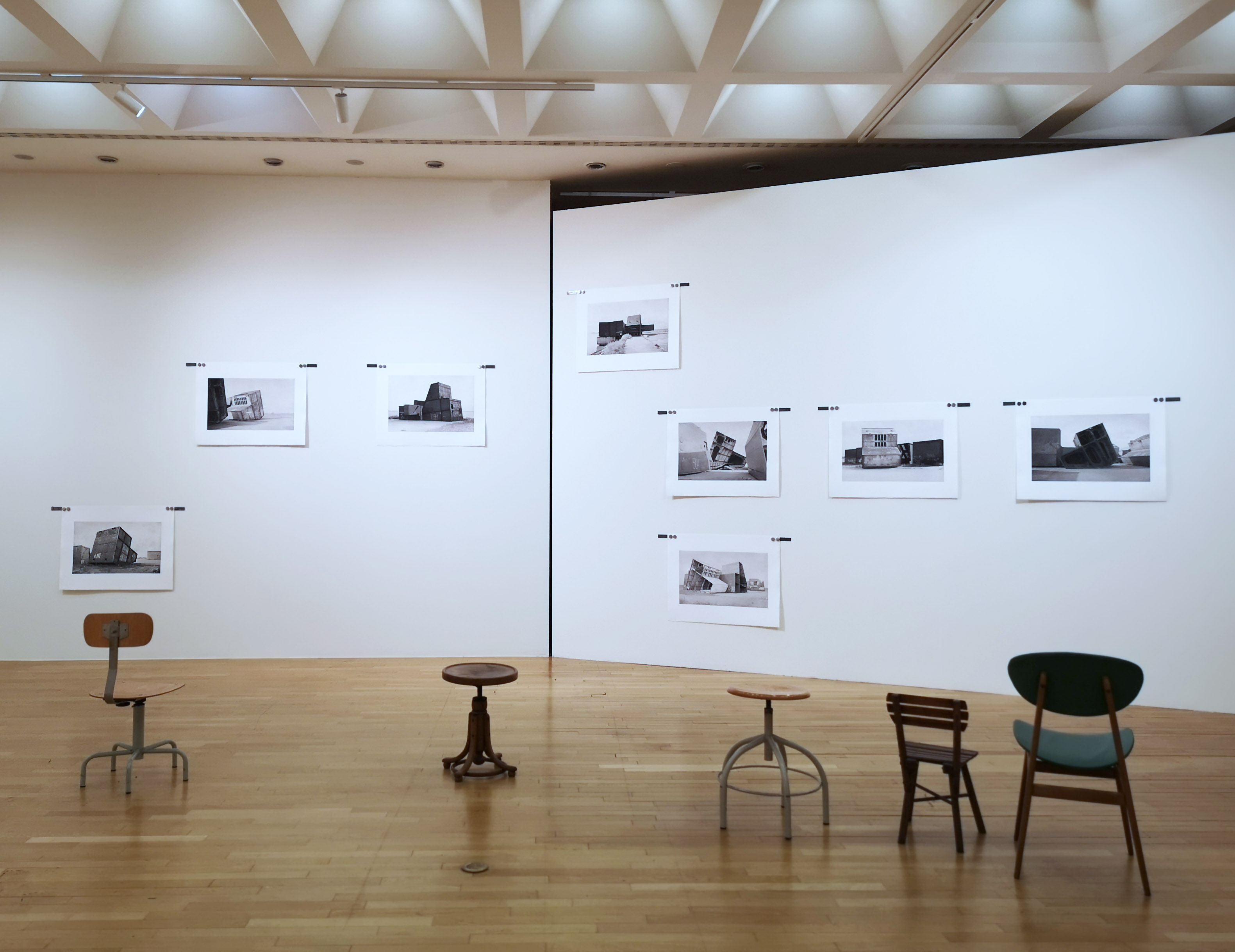
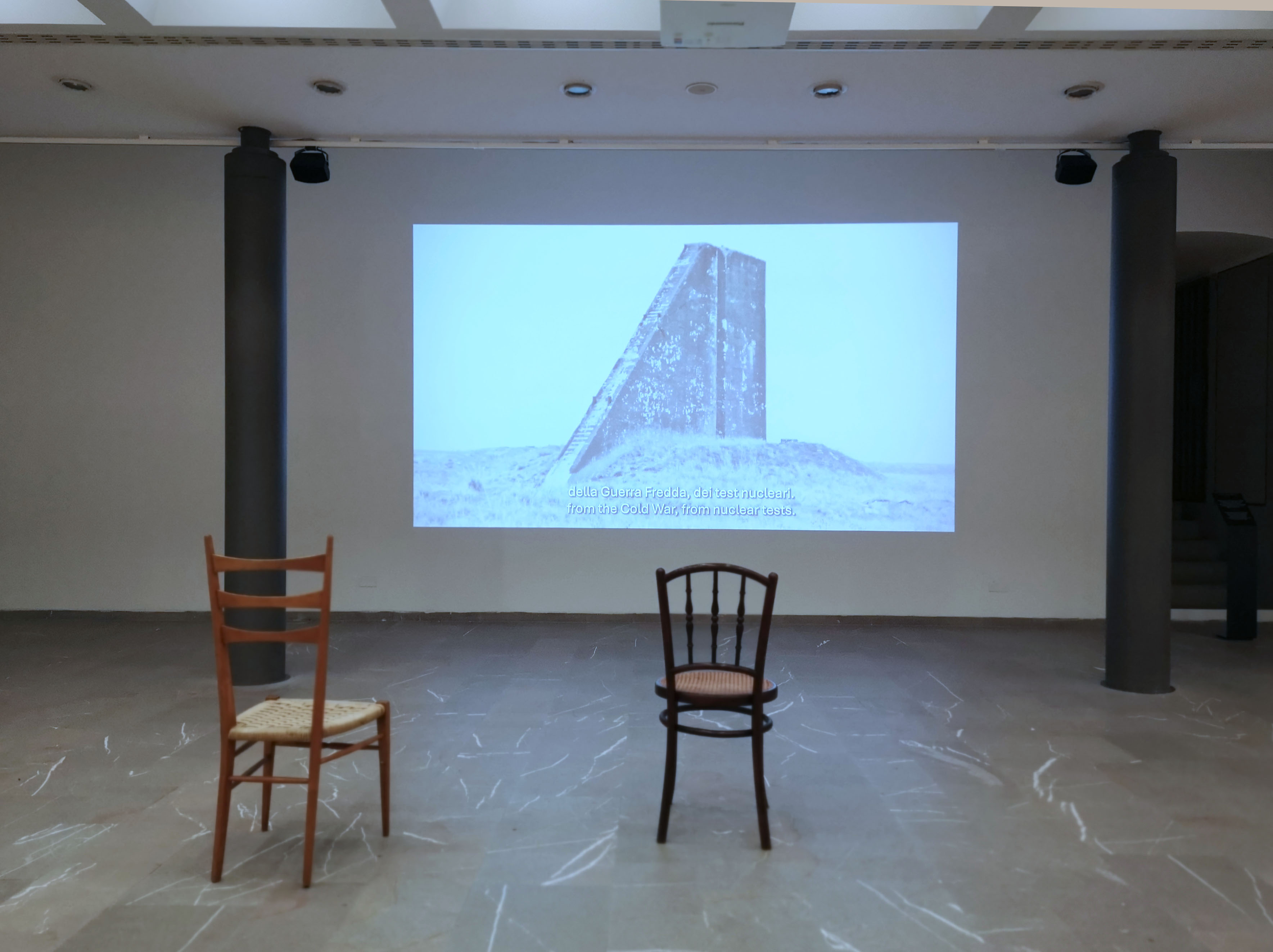
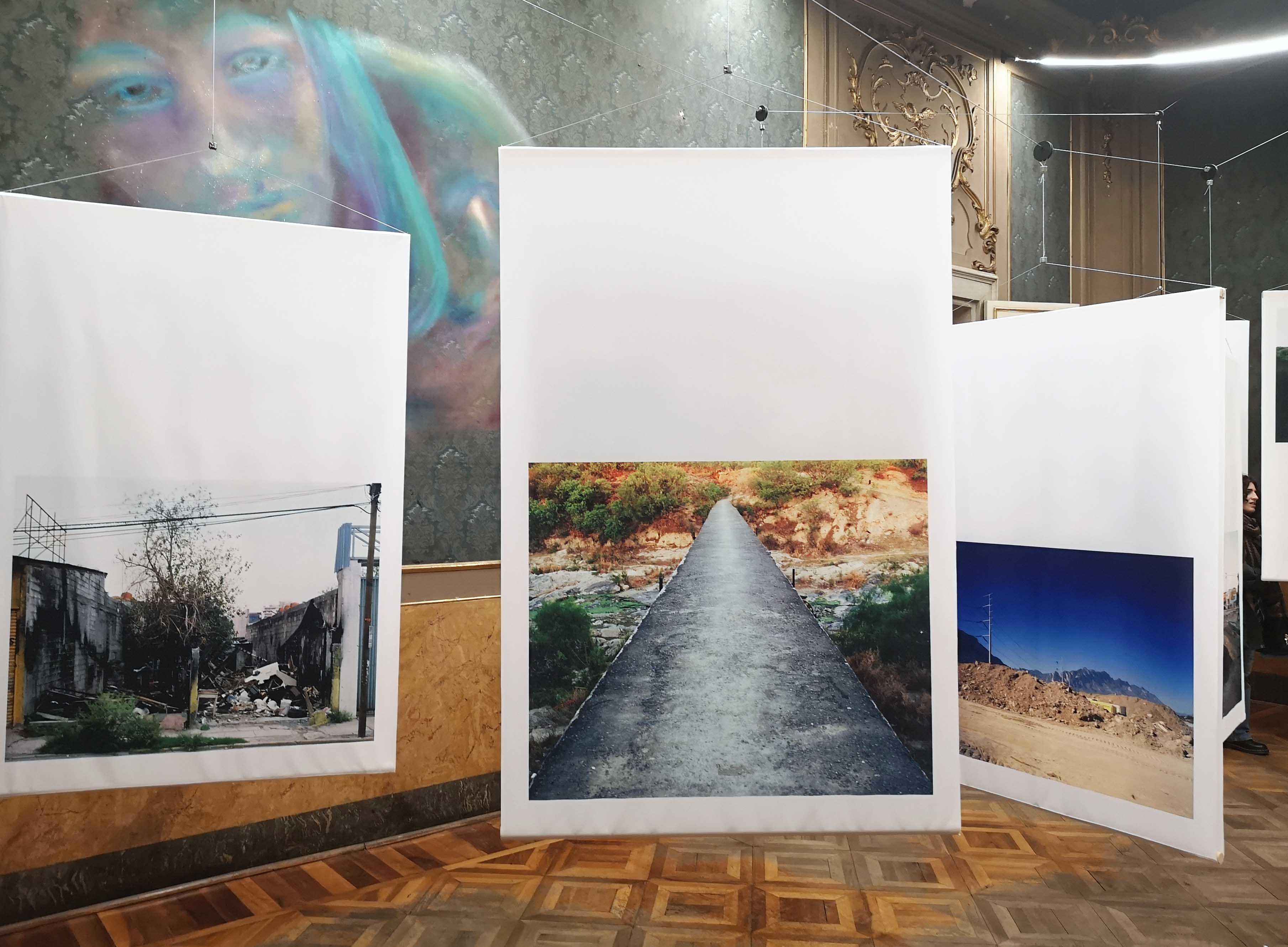
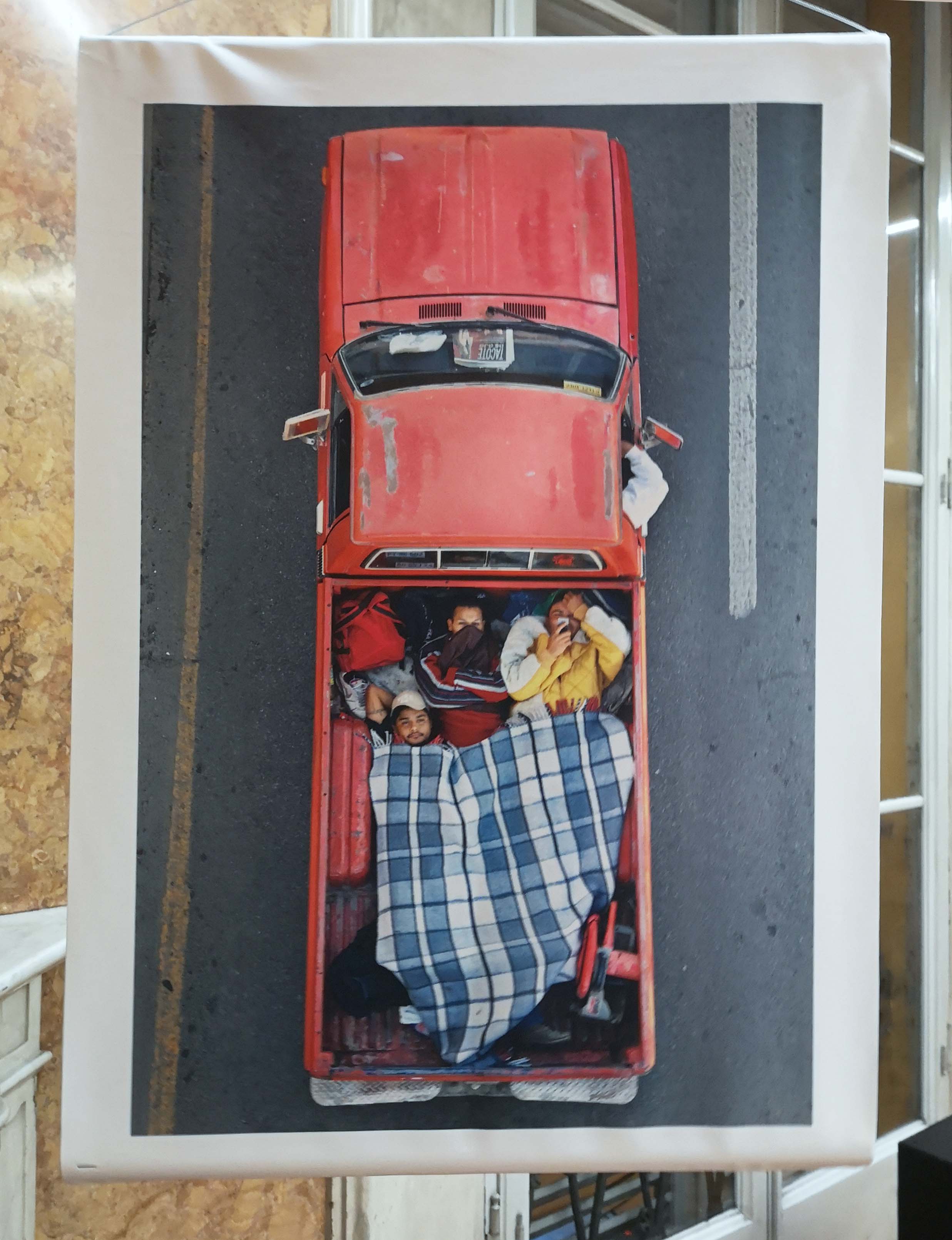
For 13 years, Alejandro Cartagena observed the urban development of his home region around the Mexican city of Monterrey. Several of his photos show monotone house settlements, others disposal sites, newly built roads or people living in their cars. These images are accompanied by US guiding videos how to buy new property. The so advertised strategy for prosperity is undermined by urban sprawl and impoverishment of parts of the population. Most of the presented photos are part of Cartagena’s title giving book “A small guide to Homeownership” from 2020.






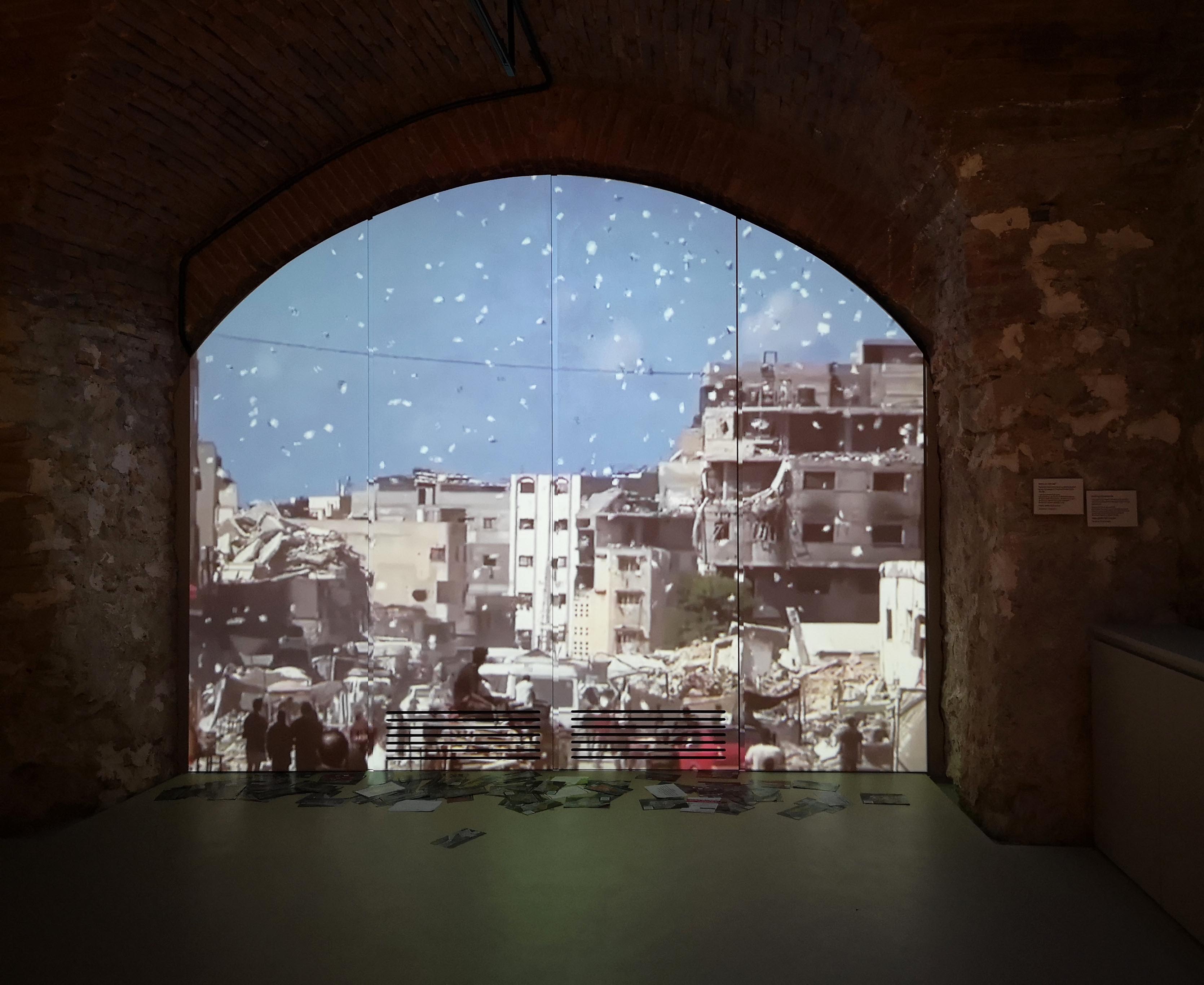
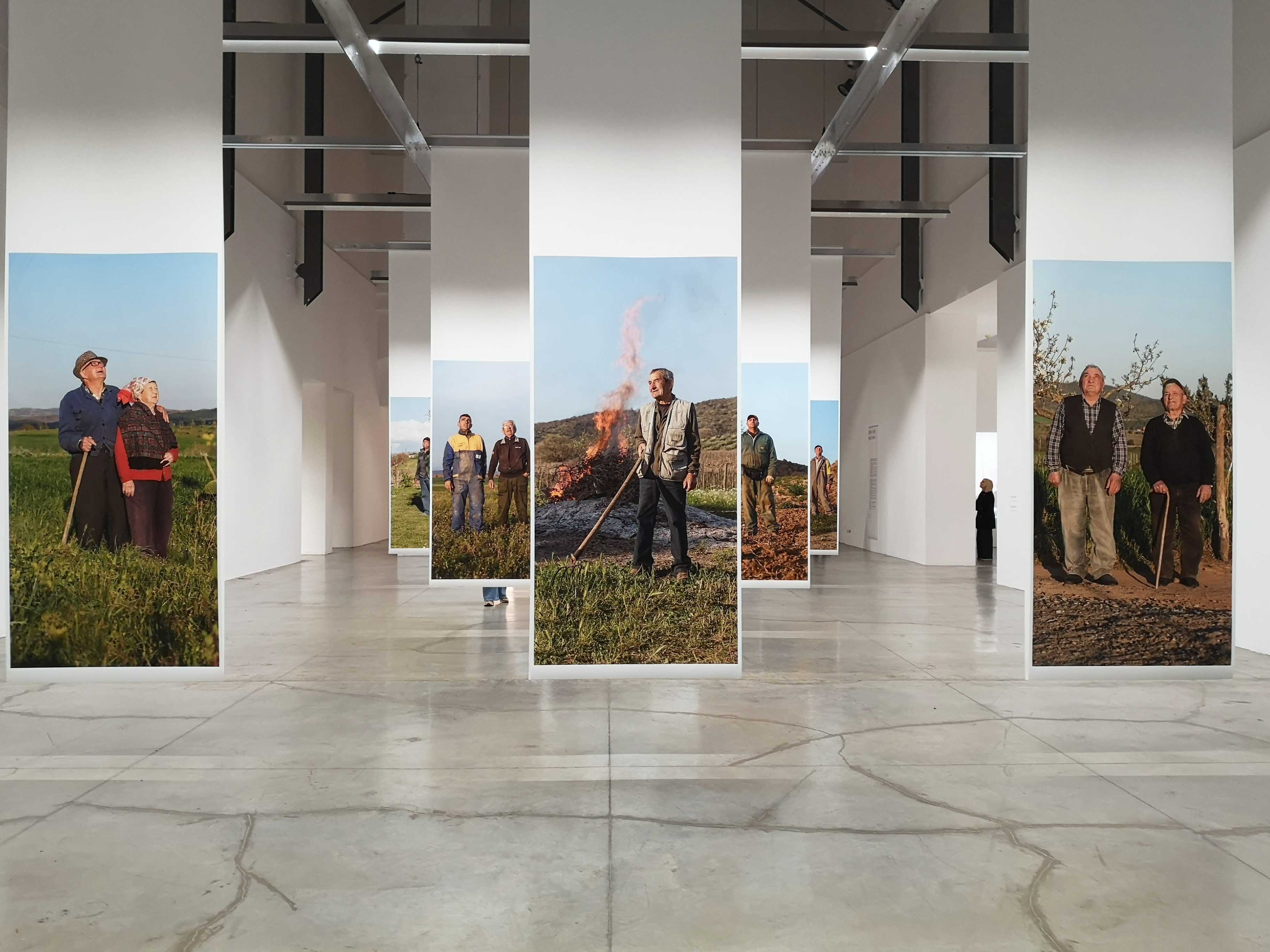
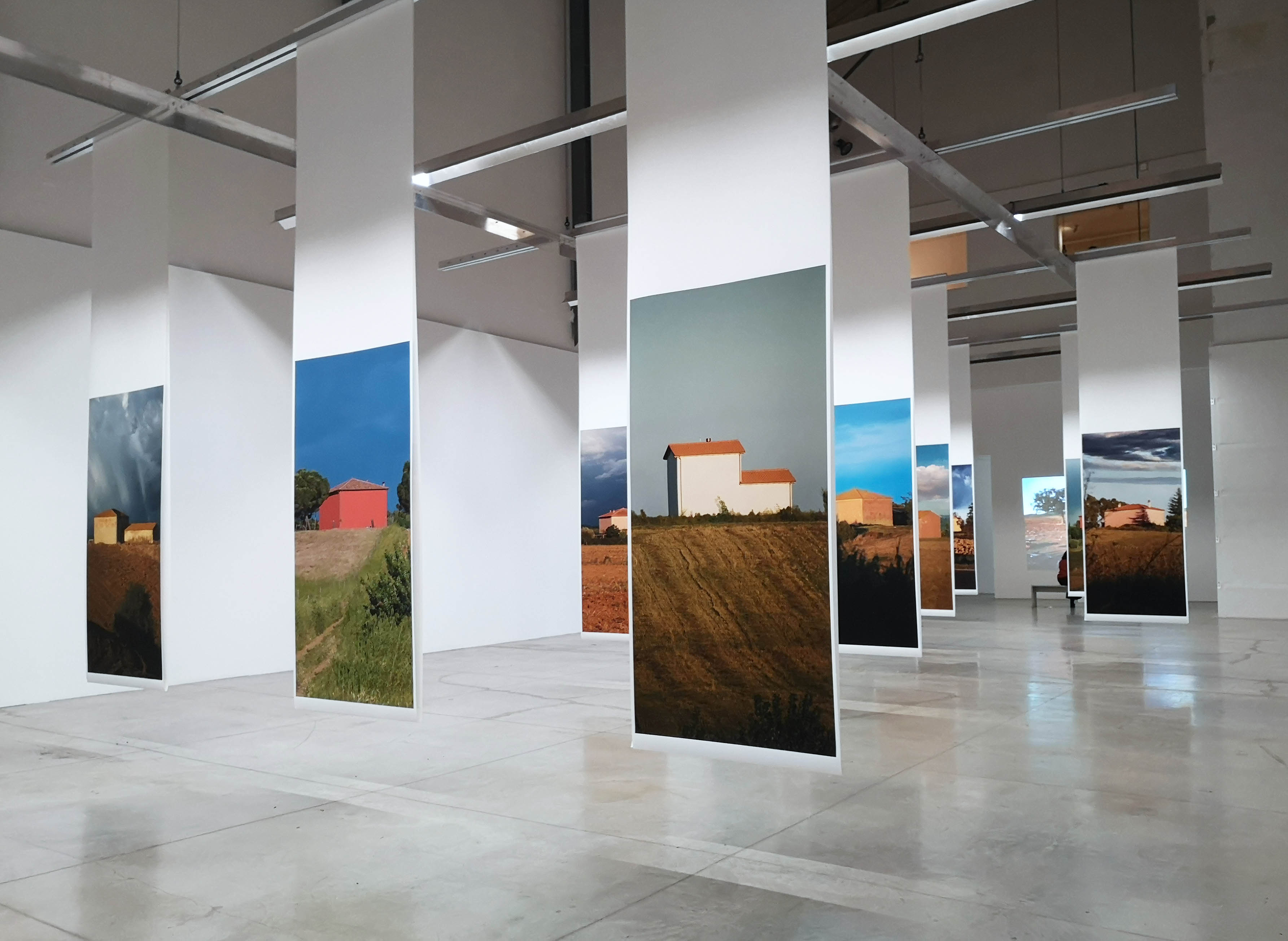
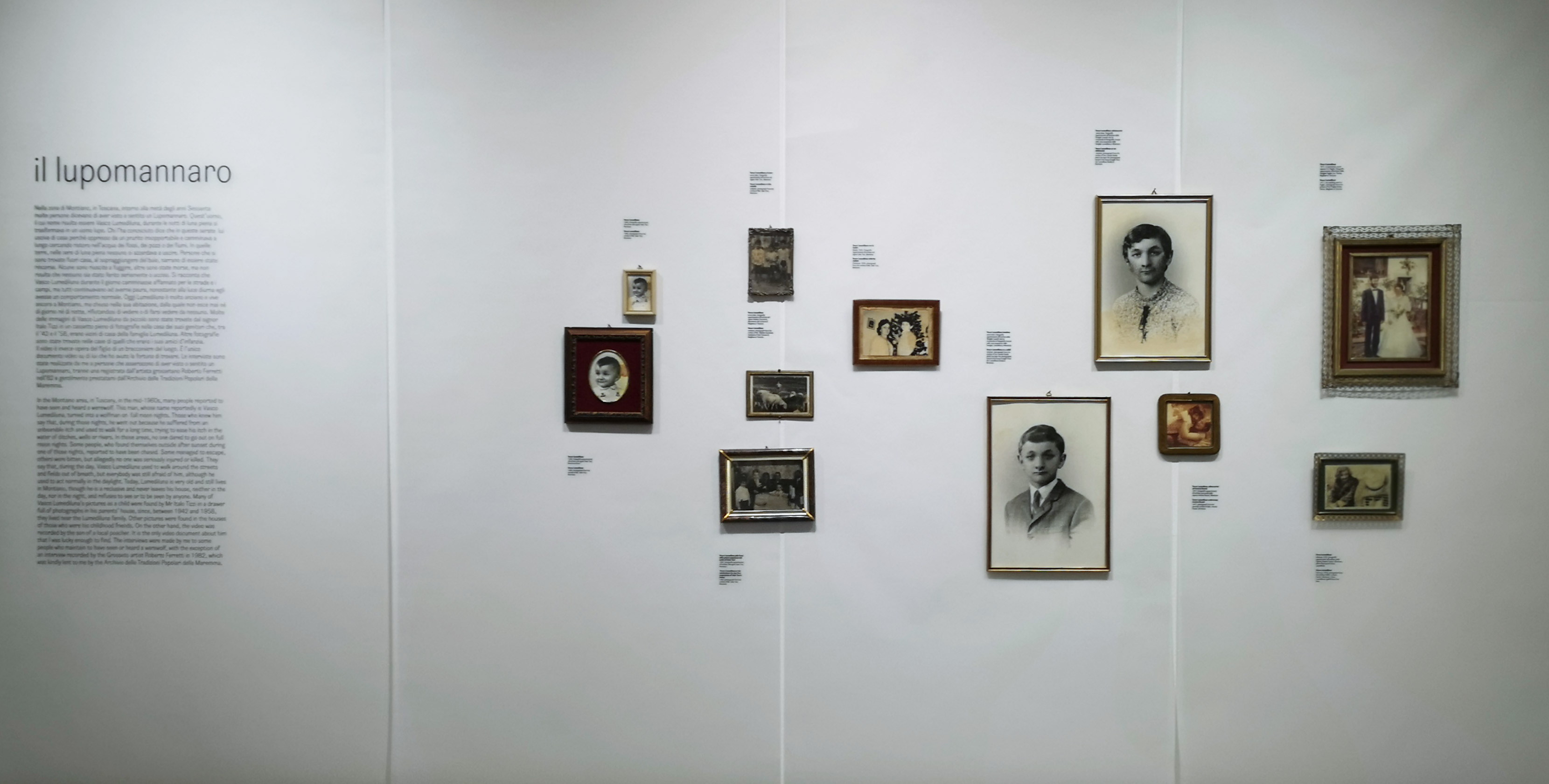
Moira Ricci invites us with “Quarta casa” to the Maremma region, where she was born and also to Milan where she lived. In the entrance, a sculpture of herself lies buried under a landscape starting at her feet in the rural Tuscany to finish on her head with the impressions of the second largest city of Italy. “Dove il Cielo è più vicino” (Where the Sky is closer) in the main hall of the MAMbo, is dedicated to the people of the sparsely populated Maremma and their relation to nature. In large images she portraits the inhabitants and the architecture, not without erasing windows and doors of the building. Another chapter features mysterious stories circulating in the region.
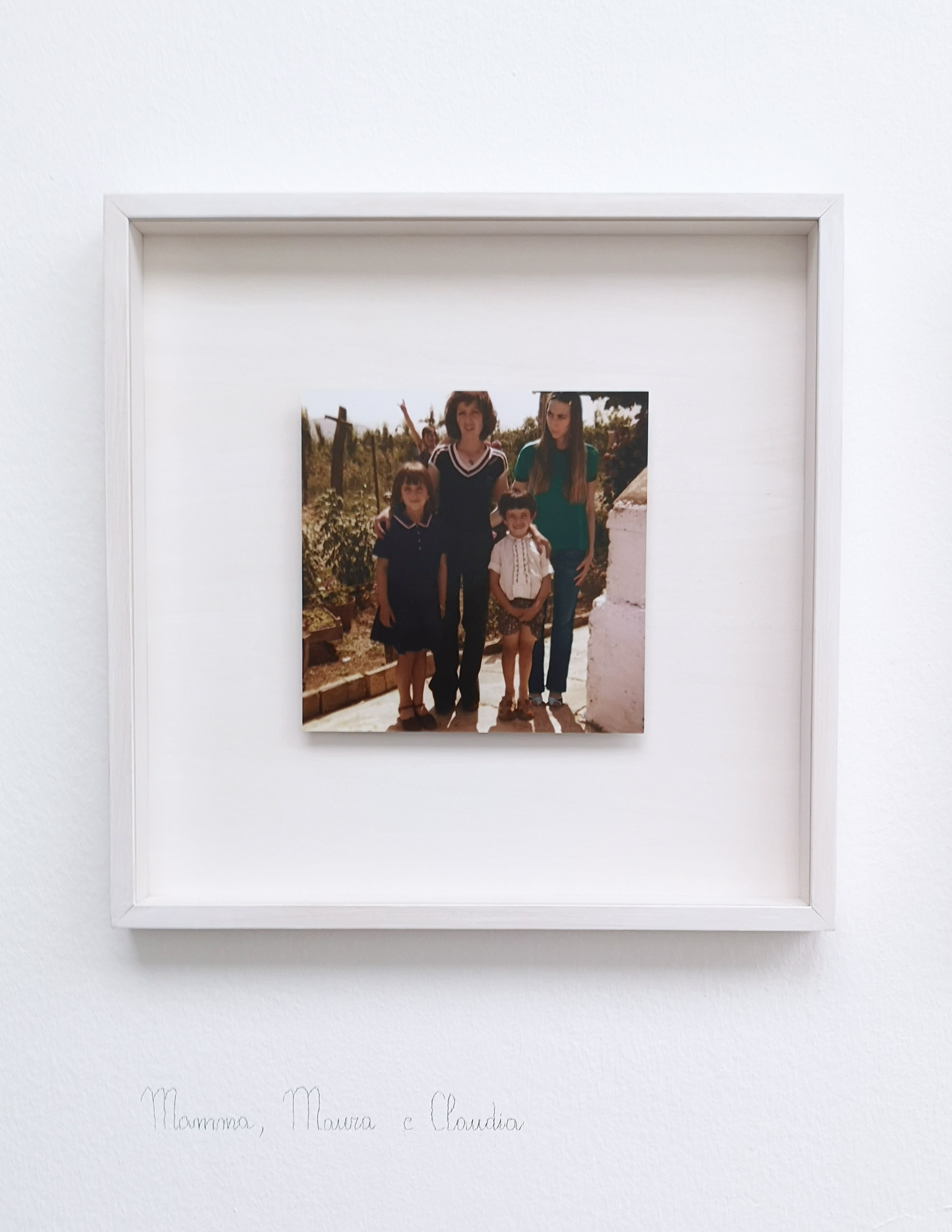
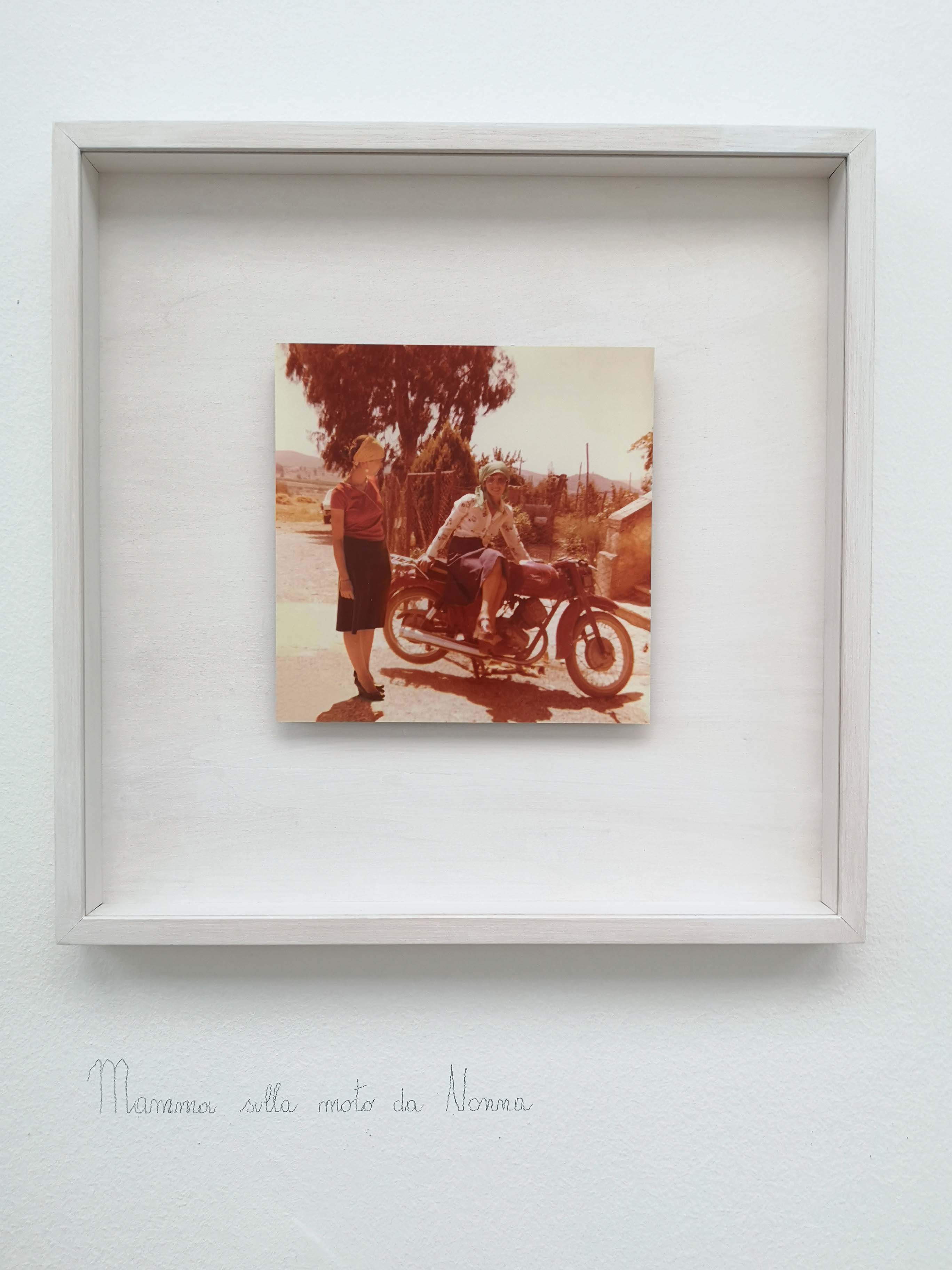
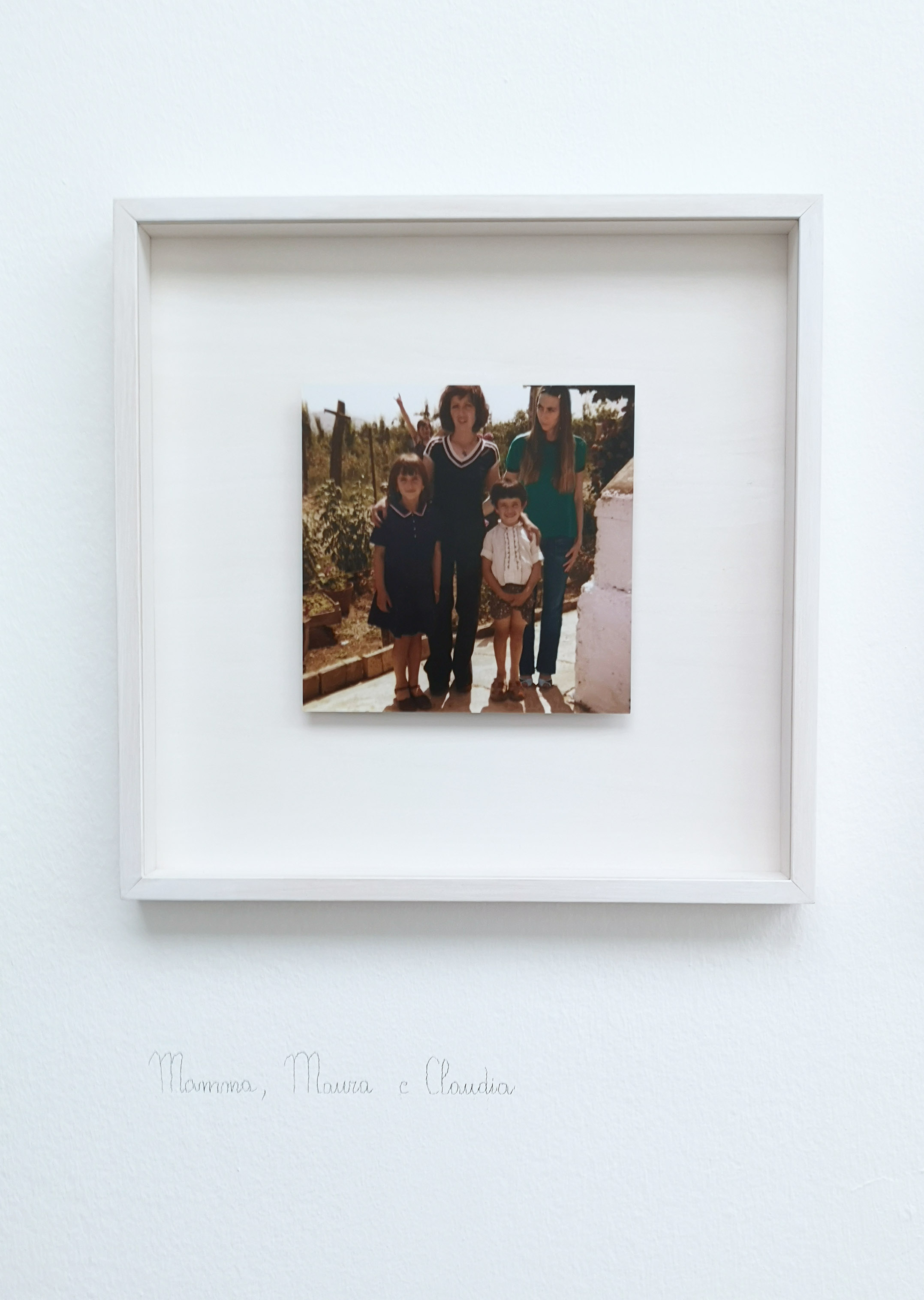
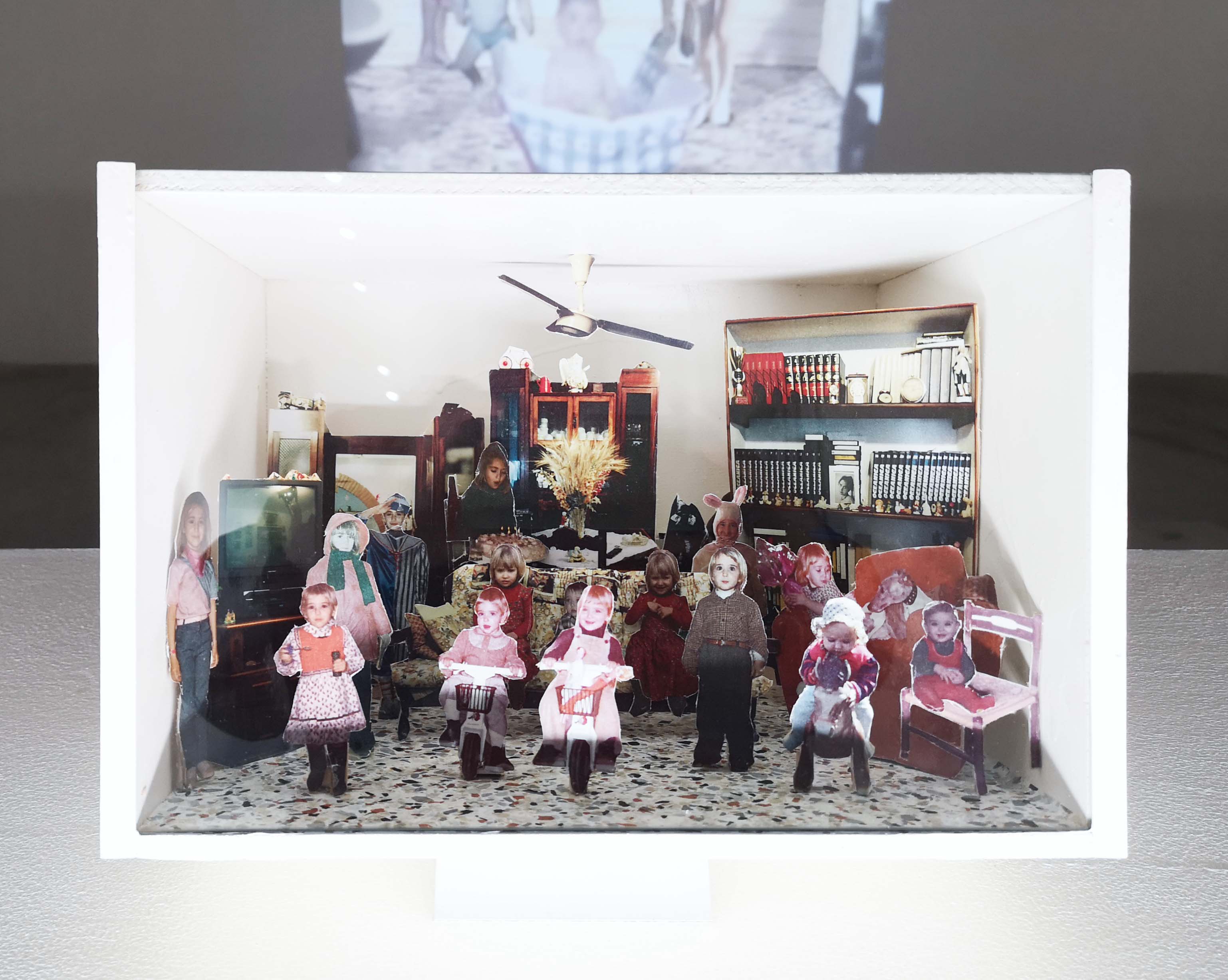
It becomes more private by family photos. “20.12.53-10.08.04” seemingly reconstructs the life of Moira Ricci’s mother: family photos, well-known and similar in many European photo albums. However, besides the mother, one person appears permanently. It is the artist herself. Nearby, one can listen to the sound of Irene Cara’s “What a feeling”, not only the soundtrack to the early 1980s cult film “Flashdance” but also to the home videos of Ricca dancing, registered by her mother. Moreover, with “Ioc. Collecchio 26” she reconstructed her parents’ house like it was in her childhood. She was inspired to this three-dimensional photo collages, by the family’s decision to transform the house. (until 11 January 2026)
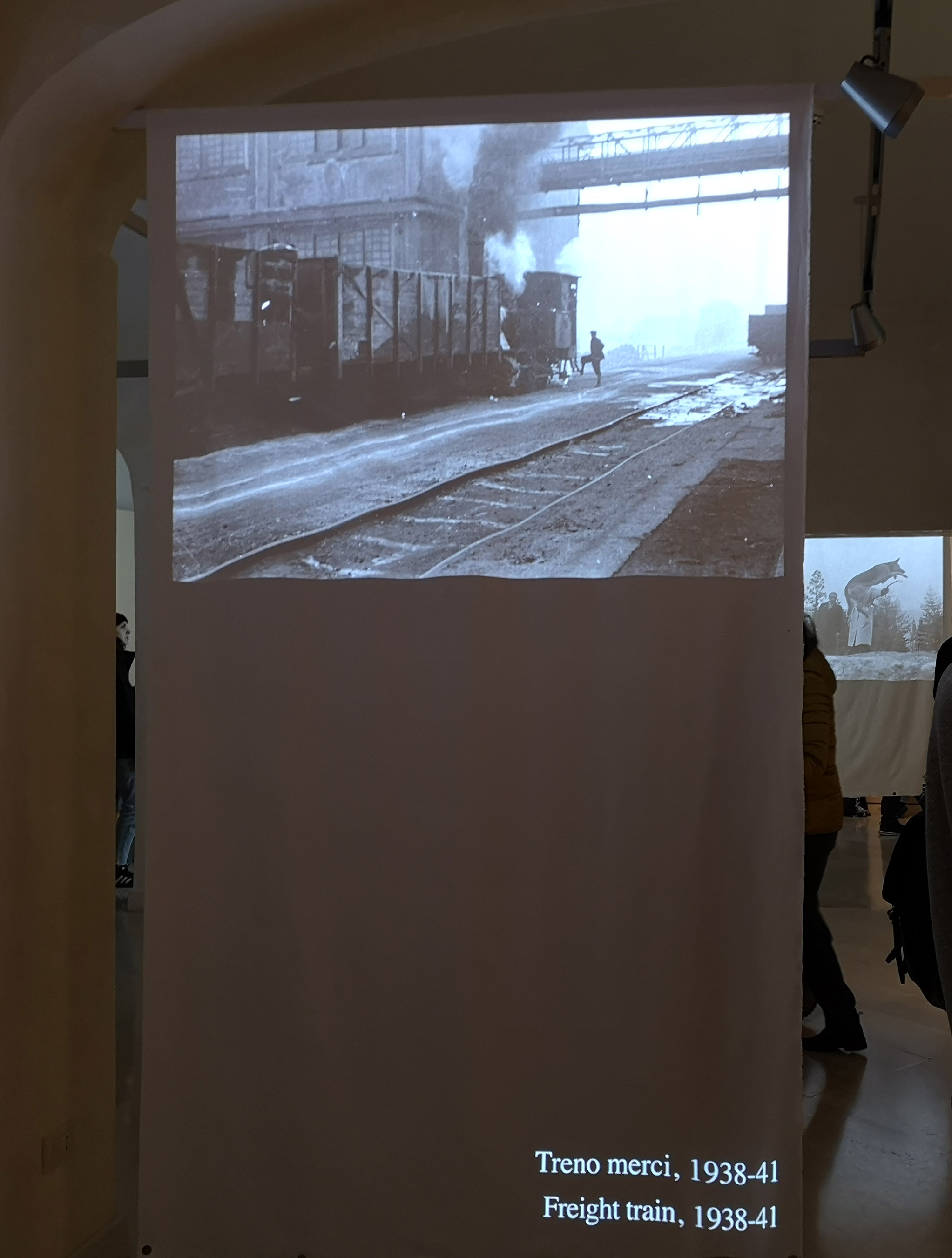
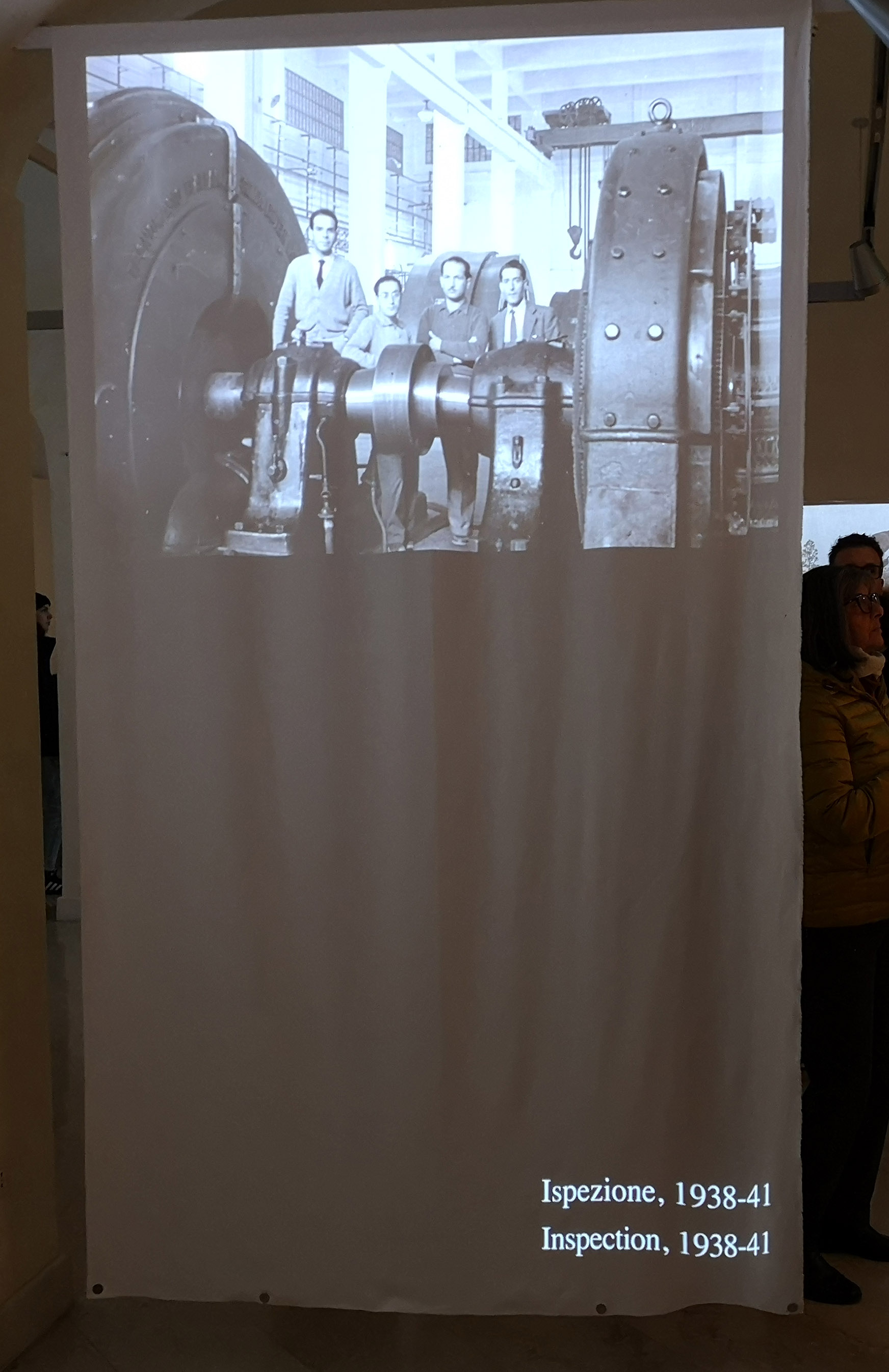
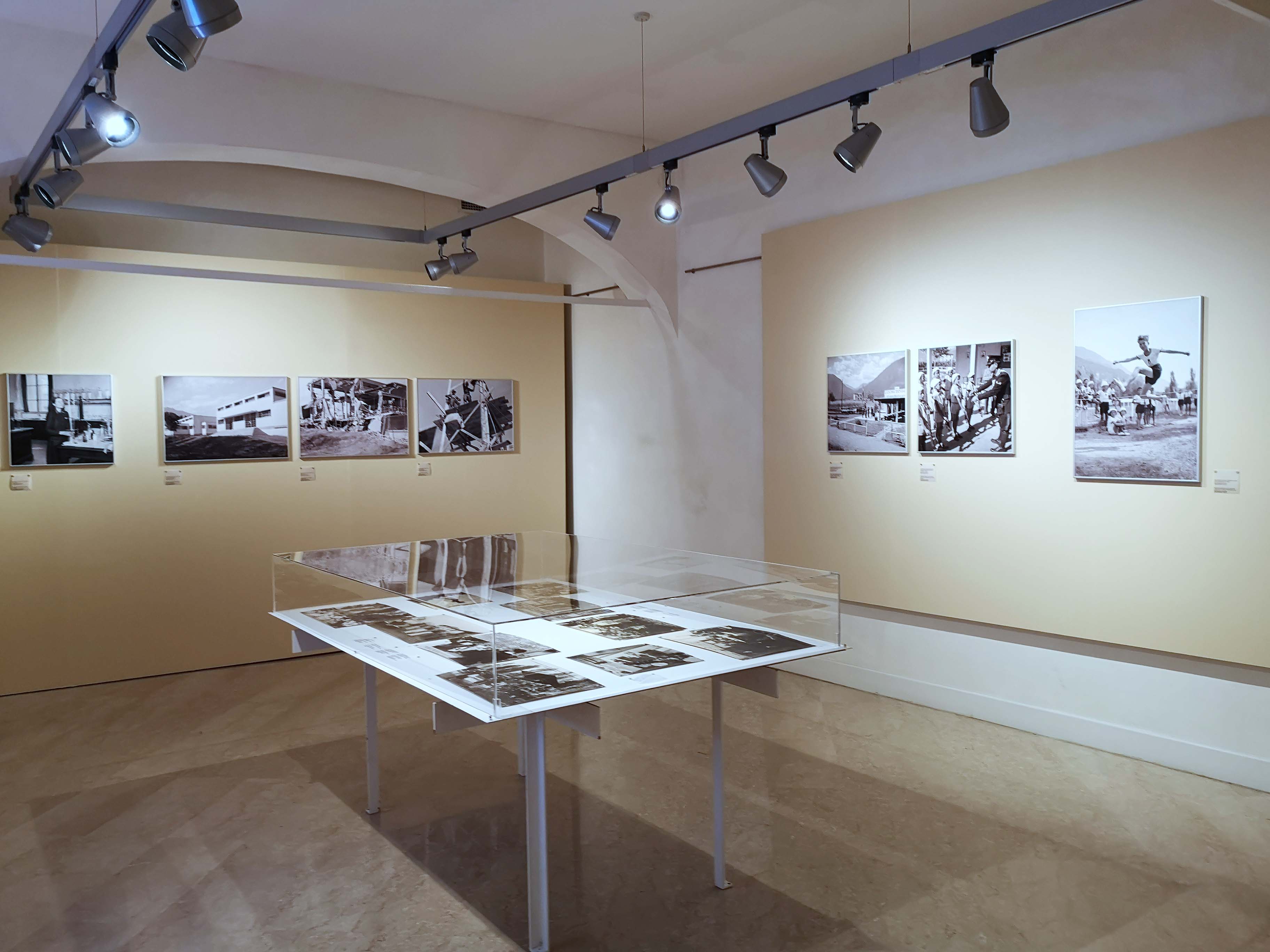
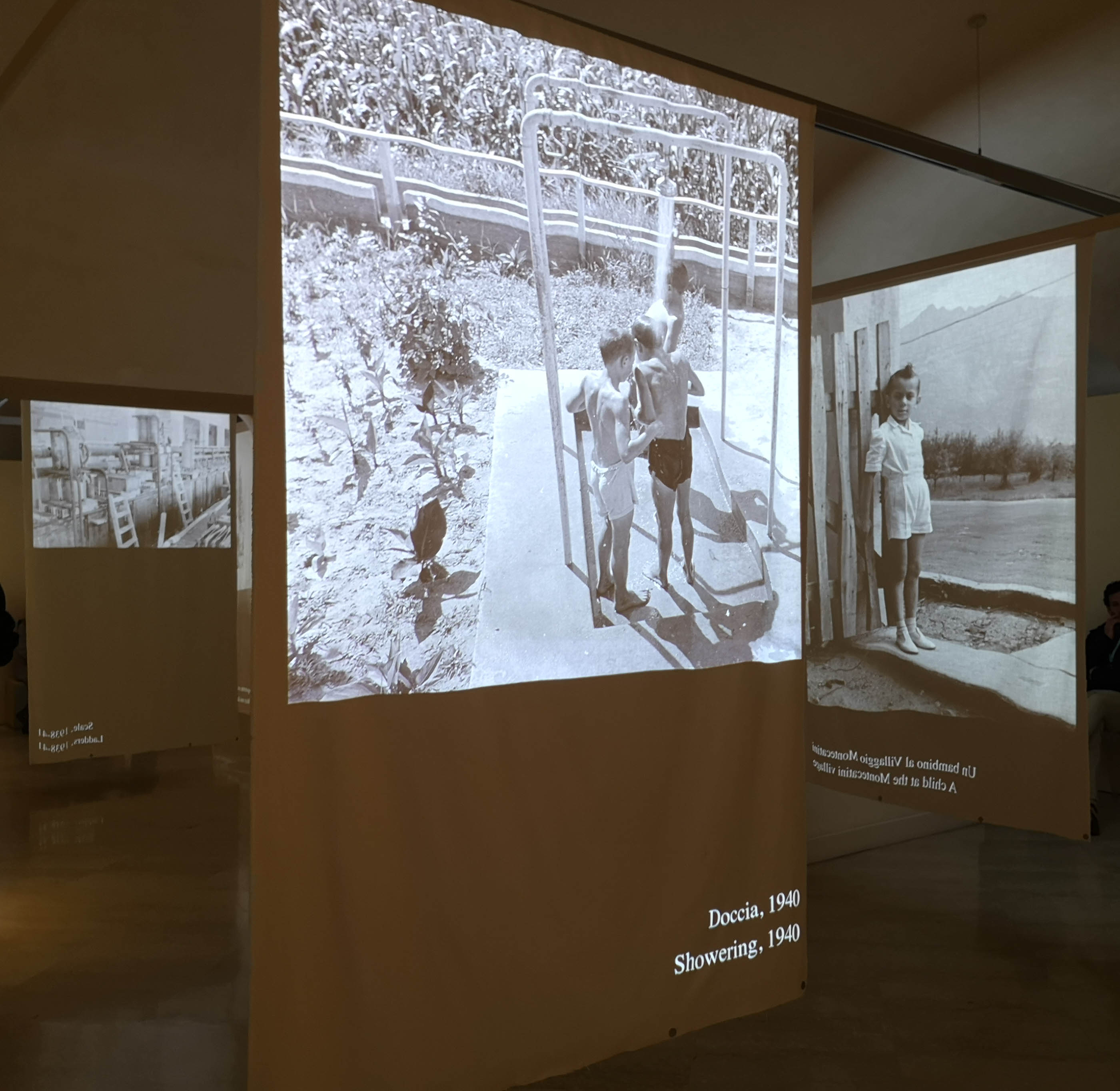
Sisto Sisti, a self-taught photographer, lived and worked in the village and chemical plant of Sinigo in South Tyrol. From 1935 to 1950 he portrayed the life in the village, the work in the factory and also leisure activities of the workers and their families. Despite the tensions with regards to a feared Italianisation in the originally German community, political distortions by the fascist government and social disparities, he achieved to document the work, everyday life and particular events of the formerly second largest chemical plant in Europe.
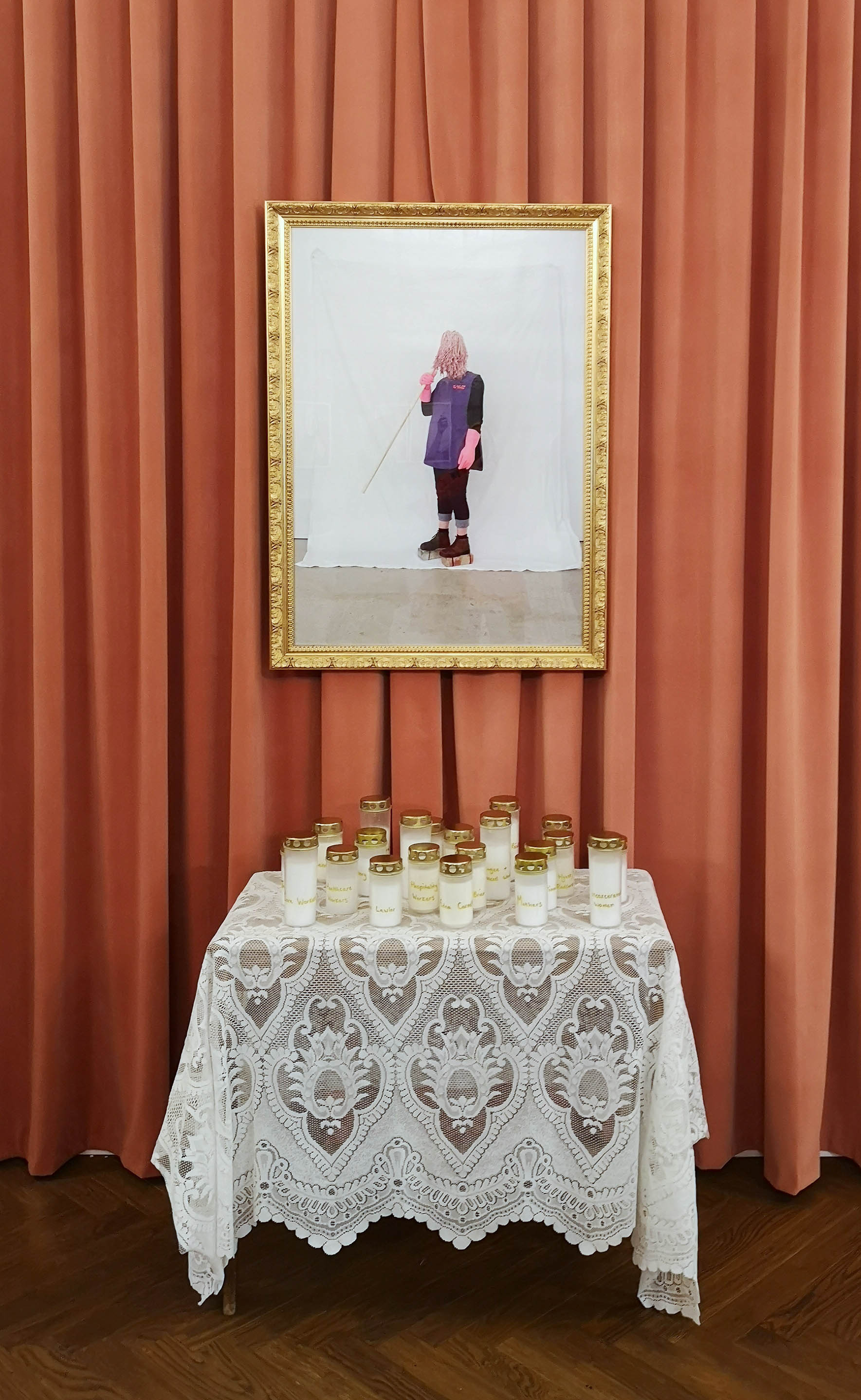
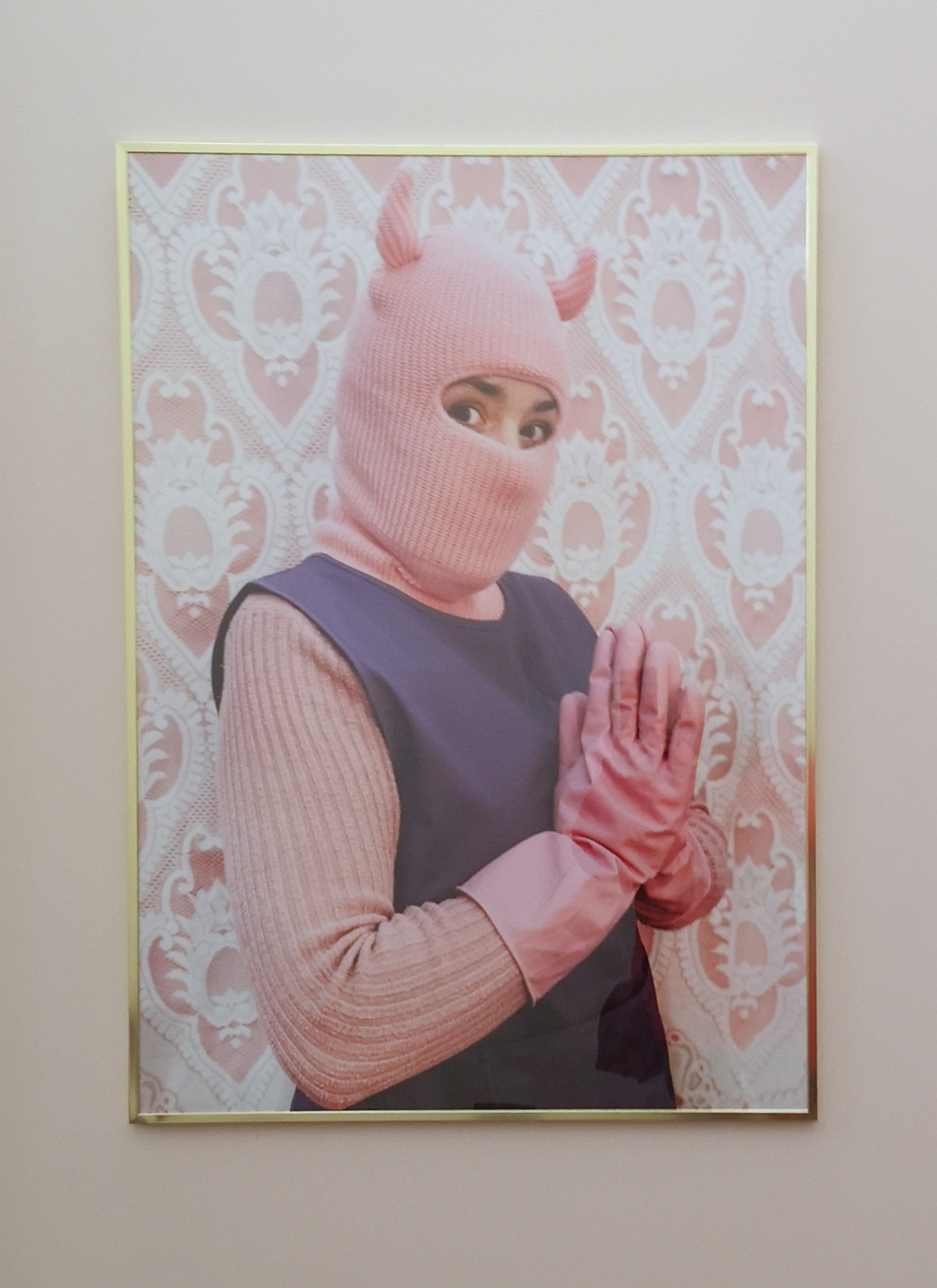
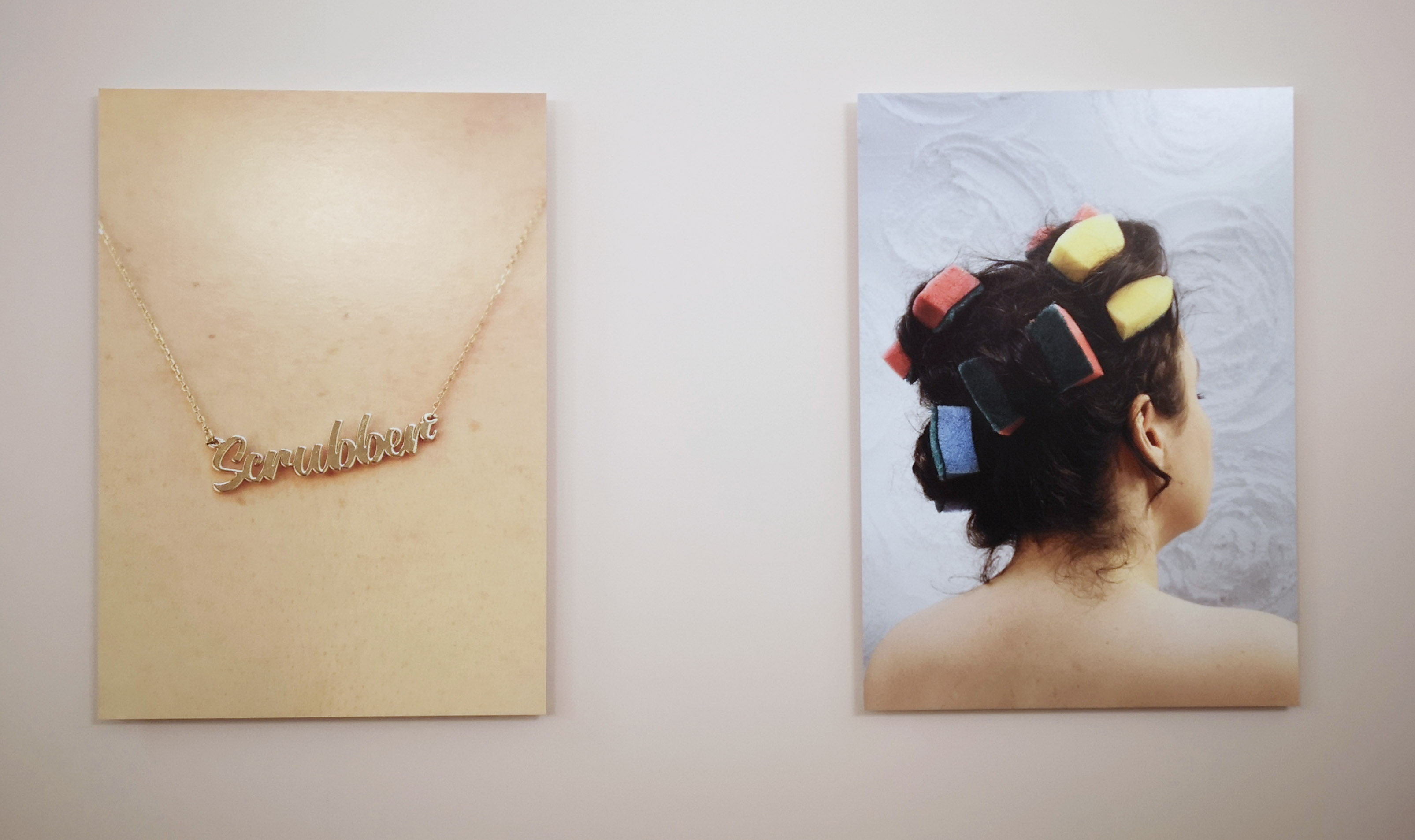
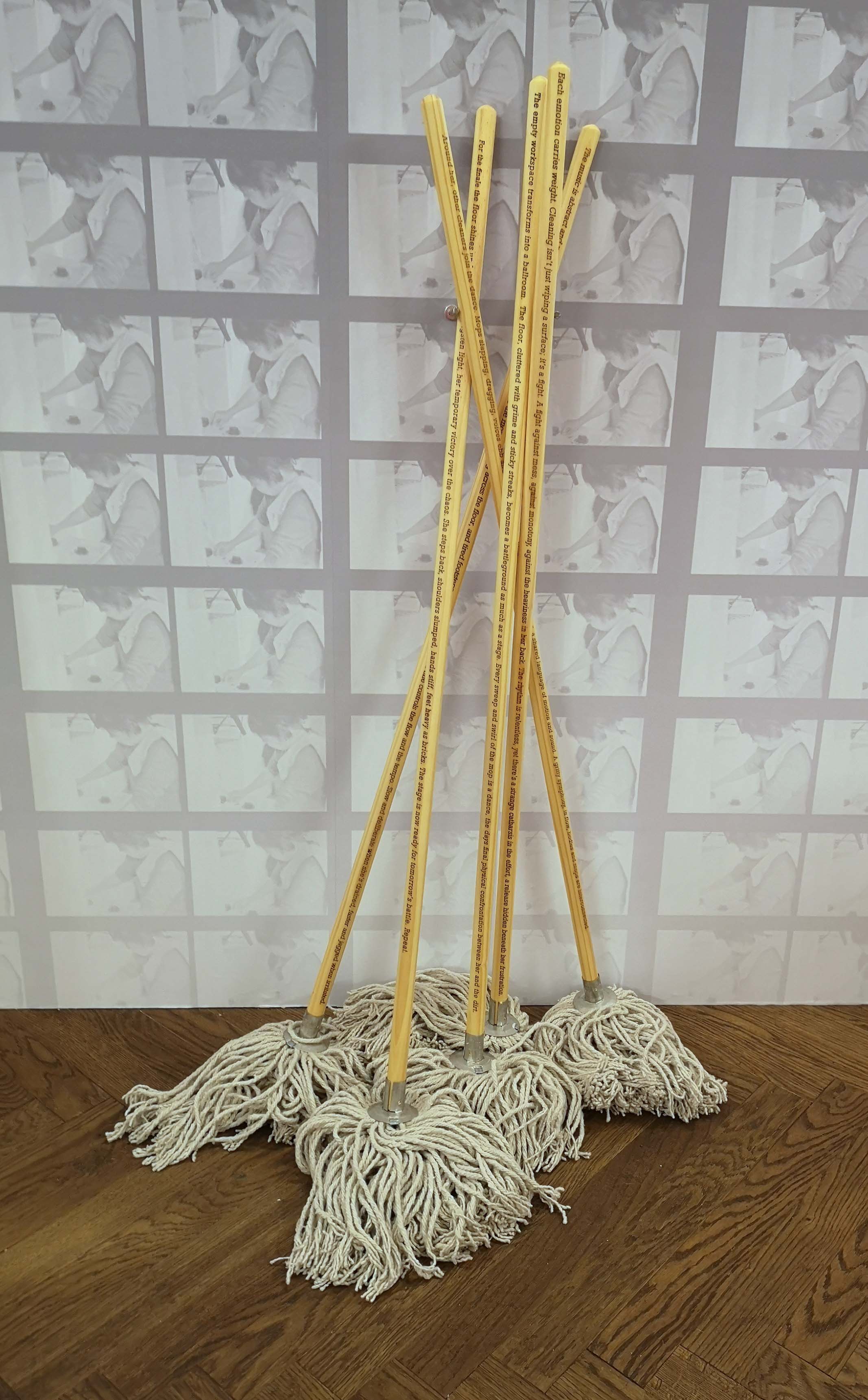
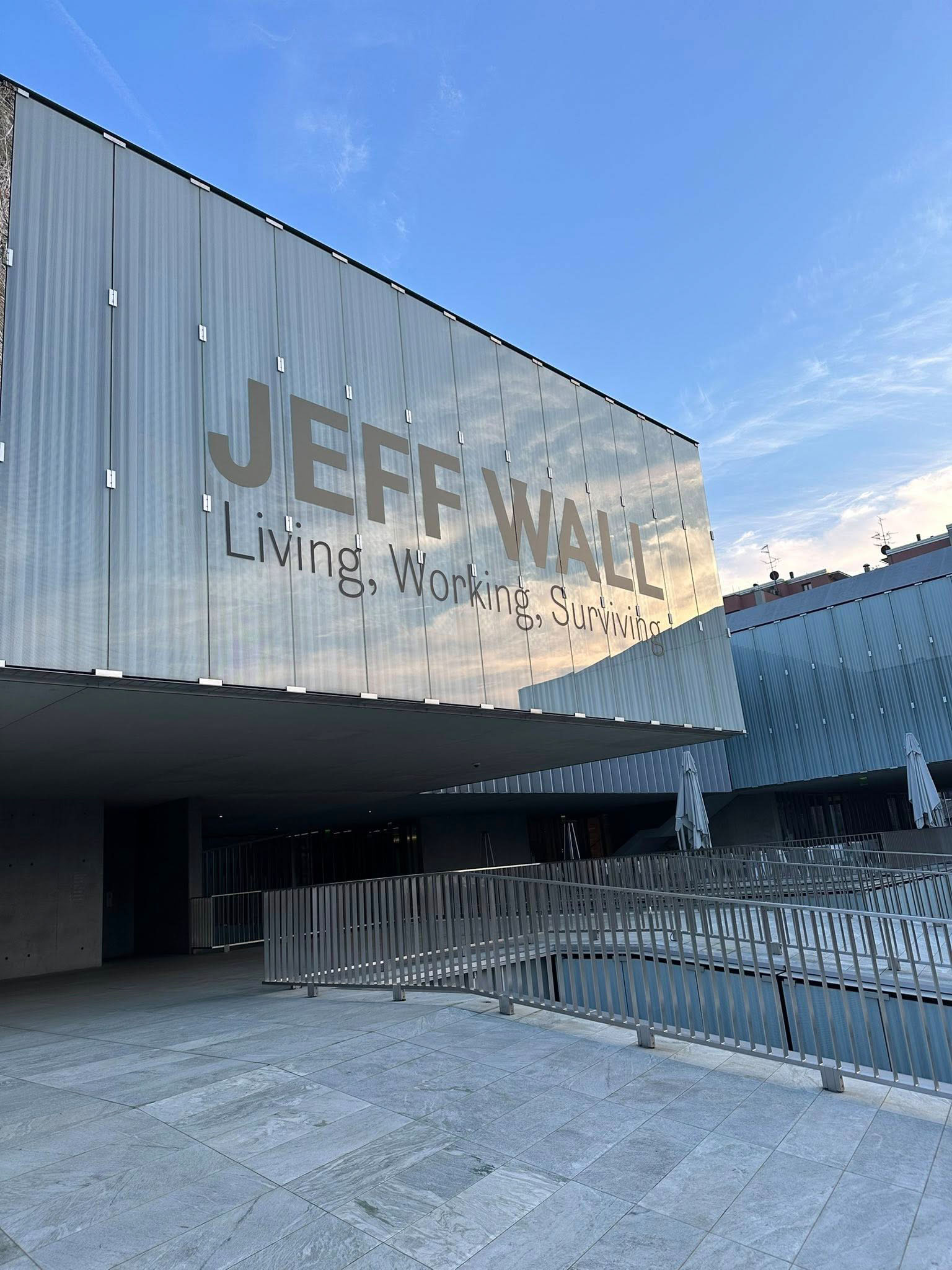 On view until the 8th of March 2026 is the exhibition “Jeff Wall – Living, Working, Surviving” at the Fondazione MAST. Works from 1980 to 2021are featuring similar themes like the other shows: everyday life and work. At the same time, it is a small retrospective to the career of the renown Canadian photographer. (until 8 March2026)